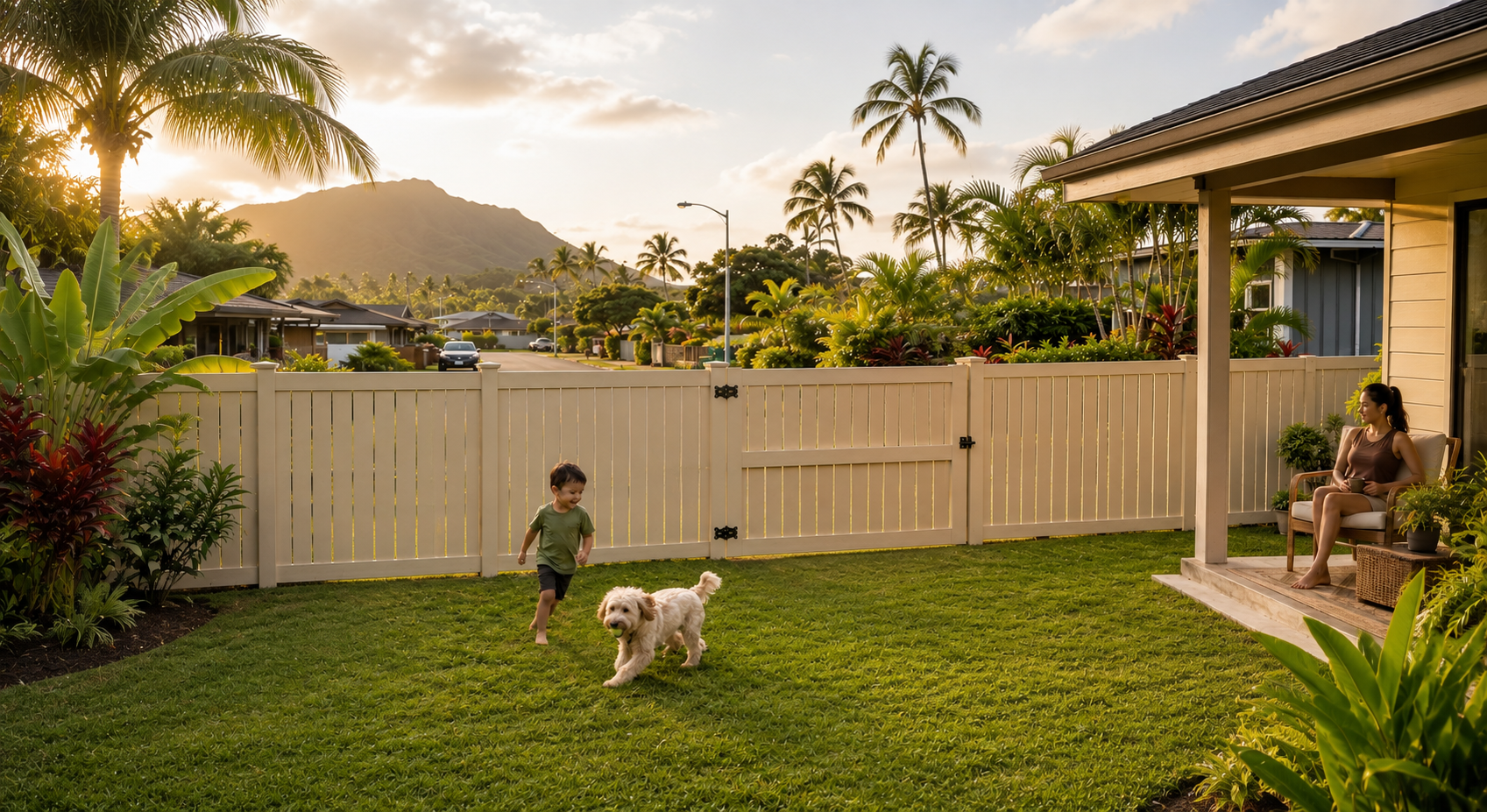
The Benefits of Working With Local Fence Contractors in Hawaii
The Local Advantage
Working with local fence contractors in Hawaii gives homeowners access to practical knowledge of island weather, soil, terrain, building rules, and material performance. That experience supports better planning, stronger footings, more suitable materials, clearer communication, and fewer installation mistakes that could lead to premature damage or added costs.
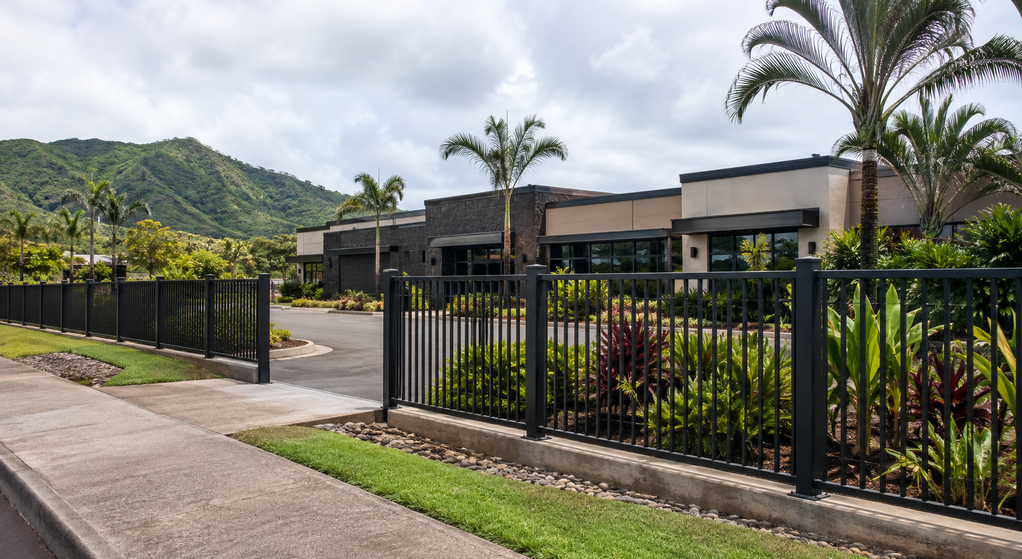
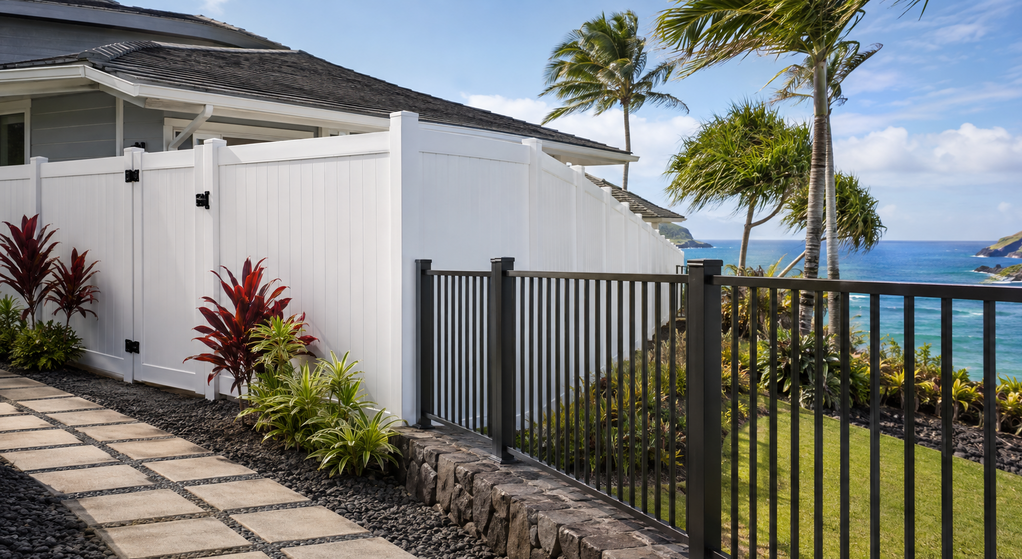
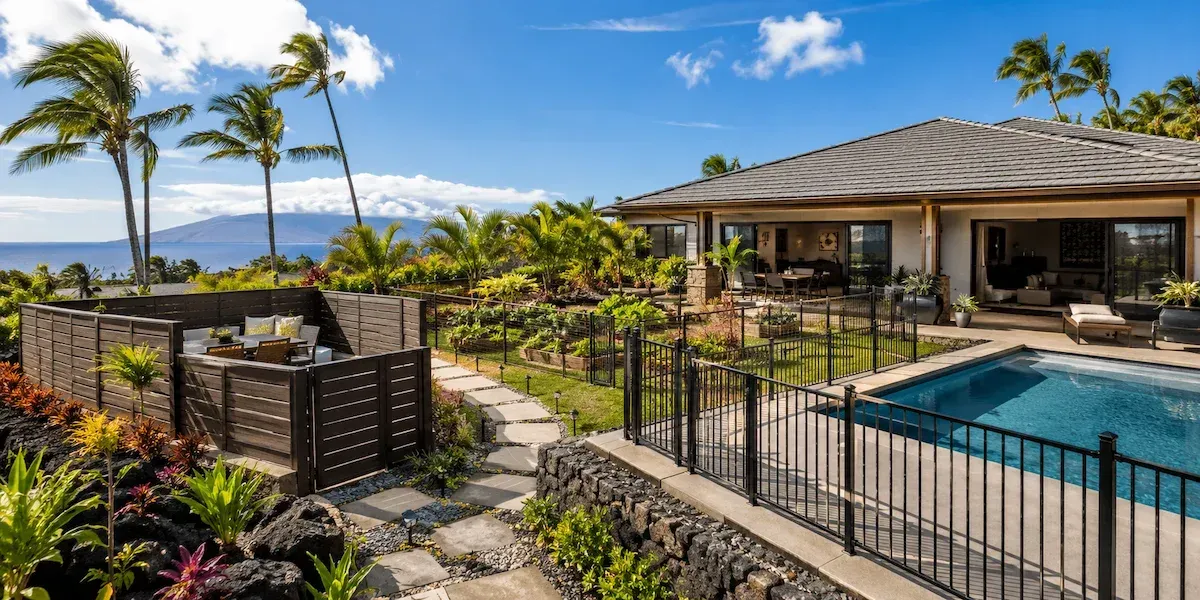
Hiring a fence contractor in Hawaii should never be treated like choosing a generic installer. Island properties face salt exposure, trade winds, strong sunlight, heavy rain, termites, sloped lots, and changing soil conditions. These factors influence post depth, hardware, drainage, gate support, and material durability. Whether a homeowner is considering vinyl, wood, masonry, or aluminum fencing services in Hawaii, local experience can prevent choices that look acceptable at first but cause expensive problems later.
Local Knowledge Leads to Better Material Decisions
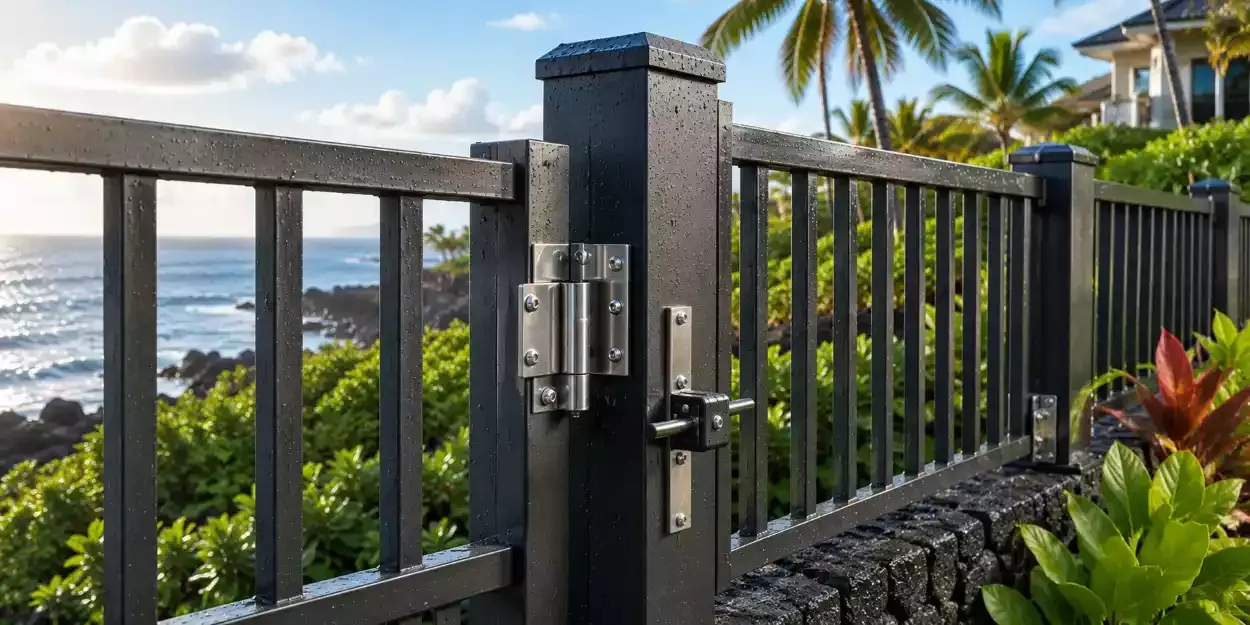
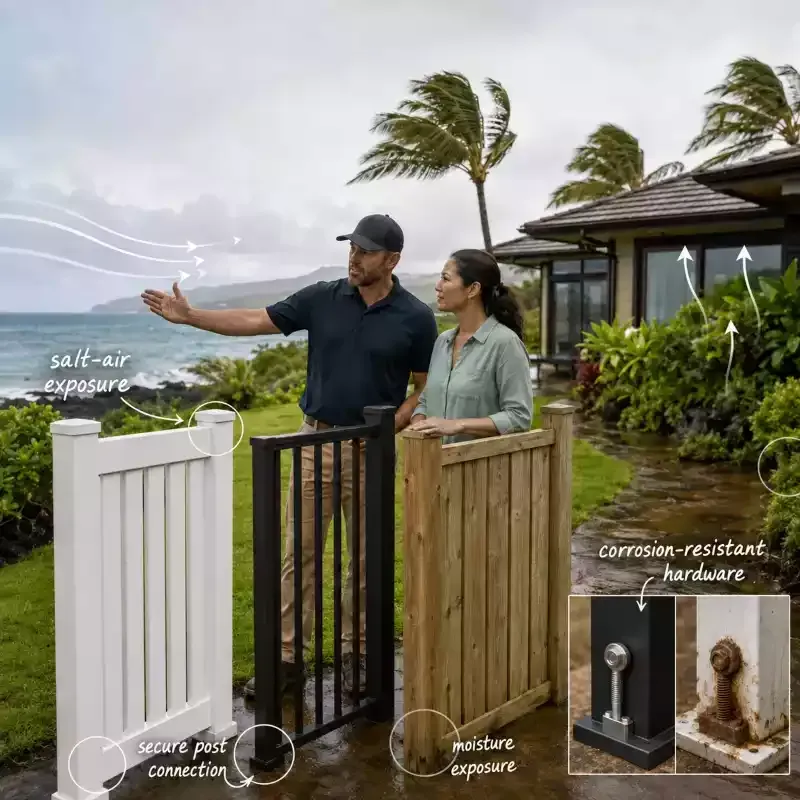
In our work across the islands, Sunset Hawaii Fencing Company have seen that the right material depends on the property’s exposure. A coastal home may need corrosion-resistant fasteners and carefully selected finishes, while a wet, shaded property may require materials that tolerate moisture. Windward and leeward communities can also create different maintenance demands.
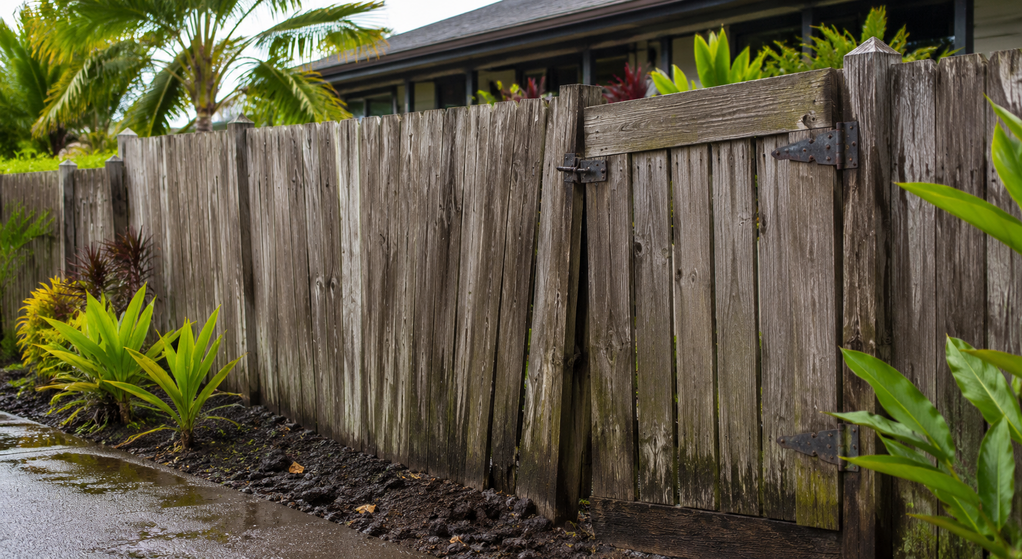
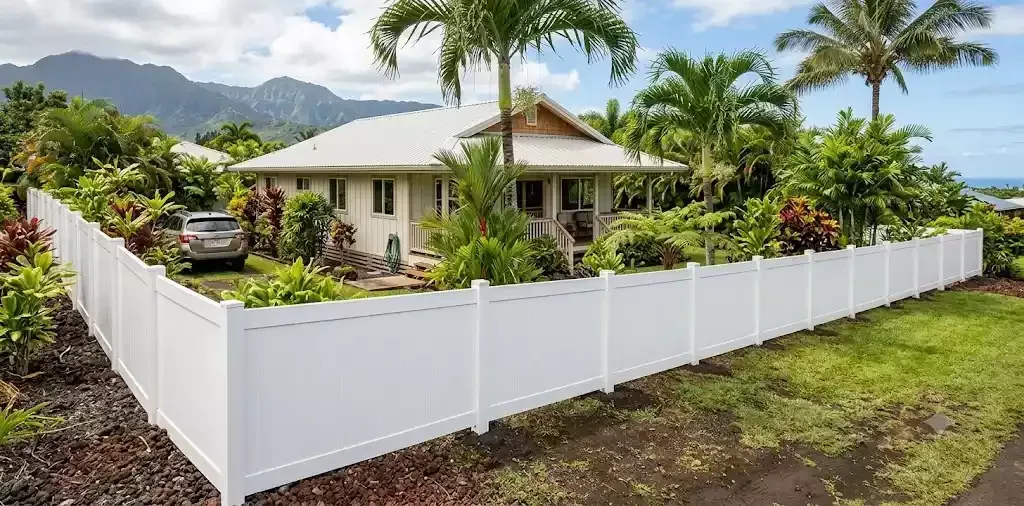
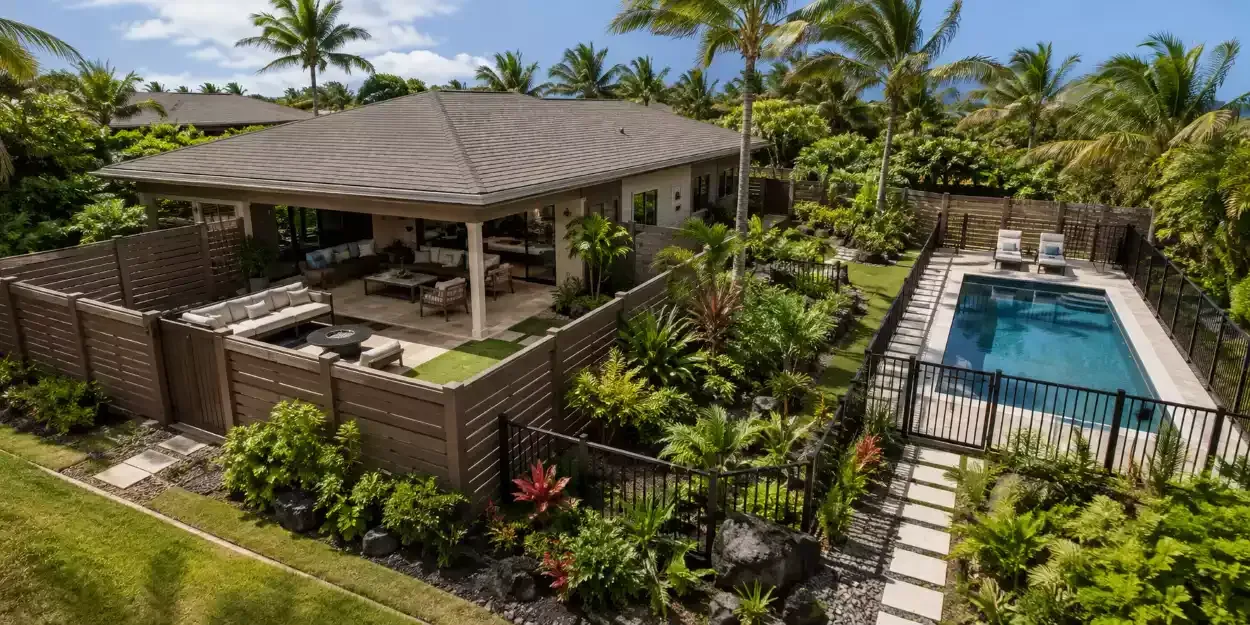
Local contractors can explain the tradeoffs clearly. Vinyl requires little routine maintenance and is not vulnerable to termites, but it still needs correct post spacing and reinforcement in windy areas. Aluminum offers a clean appearance and good corrosion resistance when its coating and hardware are suitable, but it provides less privacy than solid panels. Wood can complement island homes, yet treatment and upkeep matter because termite pressure is a serious local concern. University of Hawaiʻi research reports that seven of the state’s eight termite species are invasive.
Local Contractors Understand County Rules
Fence requirements are not identical across every county. Understanding Hawaii permit and height rules can help homeowners avoid delays, redesign costs, and compliance issues. Height, setbacks, corner visibility, flood zones, shoreline conditions, retaining walls, and association rules may affect a project. A contractor who regularly works in the area is more likely to recognize when a simple installation requires additional review.
For example, Honolulu’s Department of Planning and Permitting states that fences over six feet generally require a building permit. It explains that construction must follow applicable codes even when a permit is not required. A knowledgeable contractor should verify the rules instead of assuming every fence is exempt.
Property lines also need attention. Installing before confirming boundaries can result in disputes, removal expenses, or limited access for maintenance. Local contractors are accustomed to compact lots, shared boundaries, easements, slopes, and existing rock walls.
Proper Footings Make Fences Last Longer
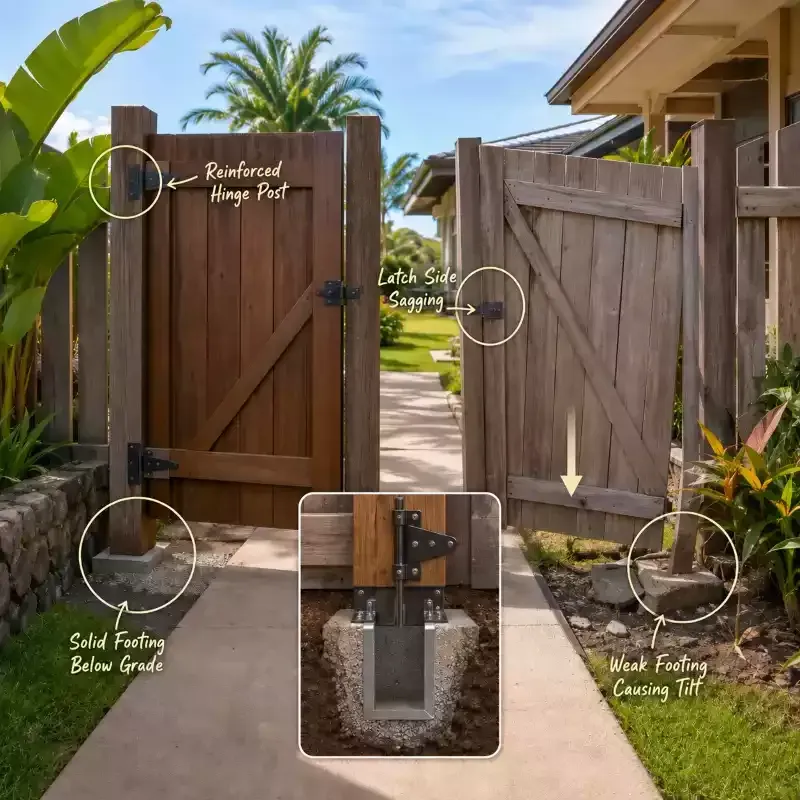
Most fence failures begin below ground. Attractive panels cannot compensate for shallow posts, undersized holes, poor concrete placement, weak drainage, or unstable soil. A fence may appear straight after installation and begin leaning after repeated rain, wind, or settlement.
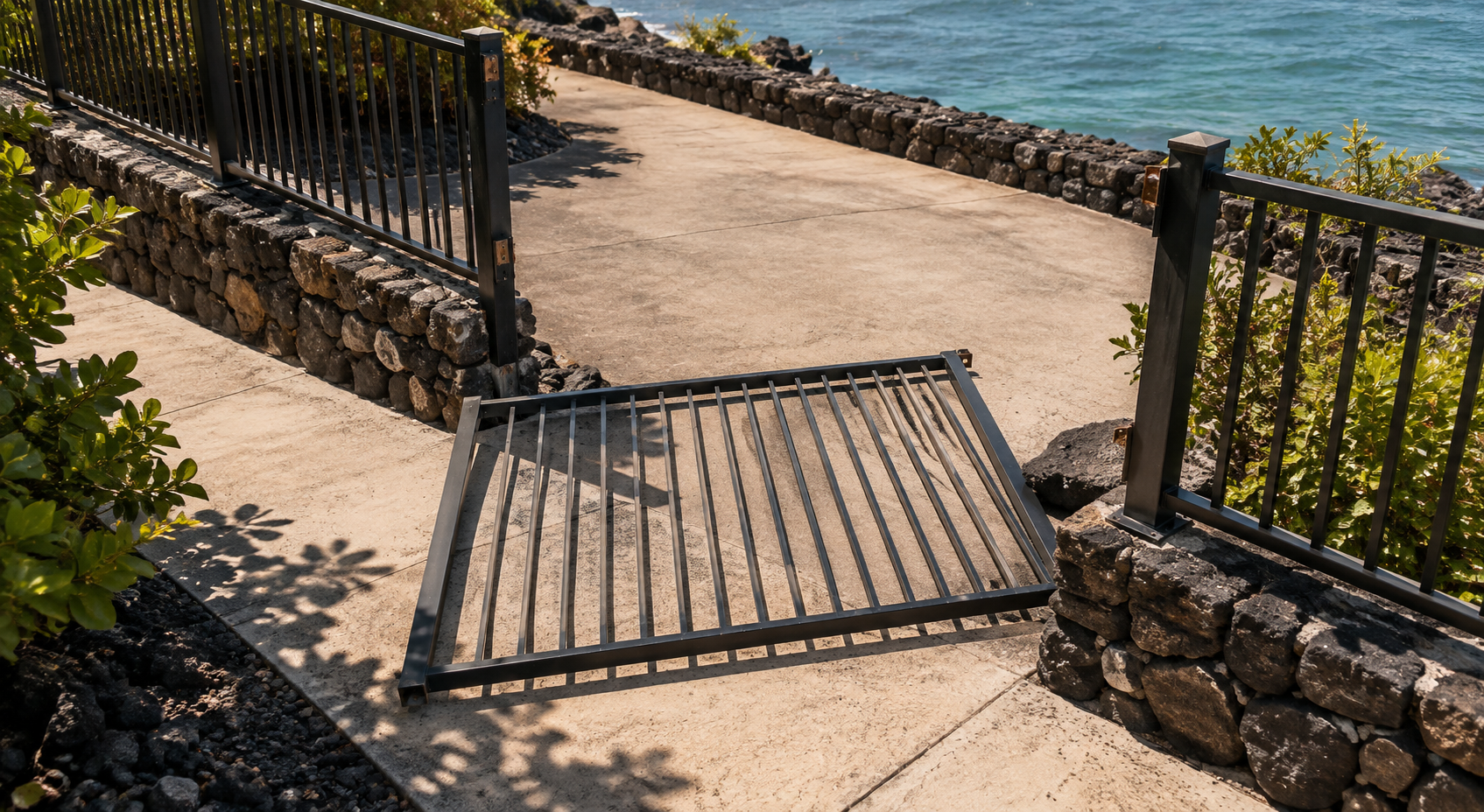
Based on hands-on fencing and masonry experience, poorly prepared footings are among the most avoidable mistakes. Gates often expose the problem first because their weight increases stress on hinges and support posts.
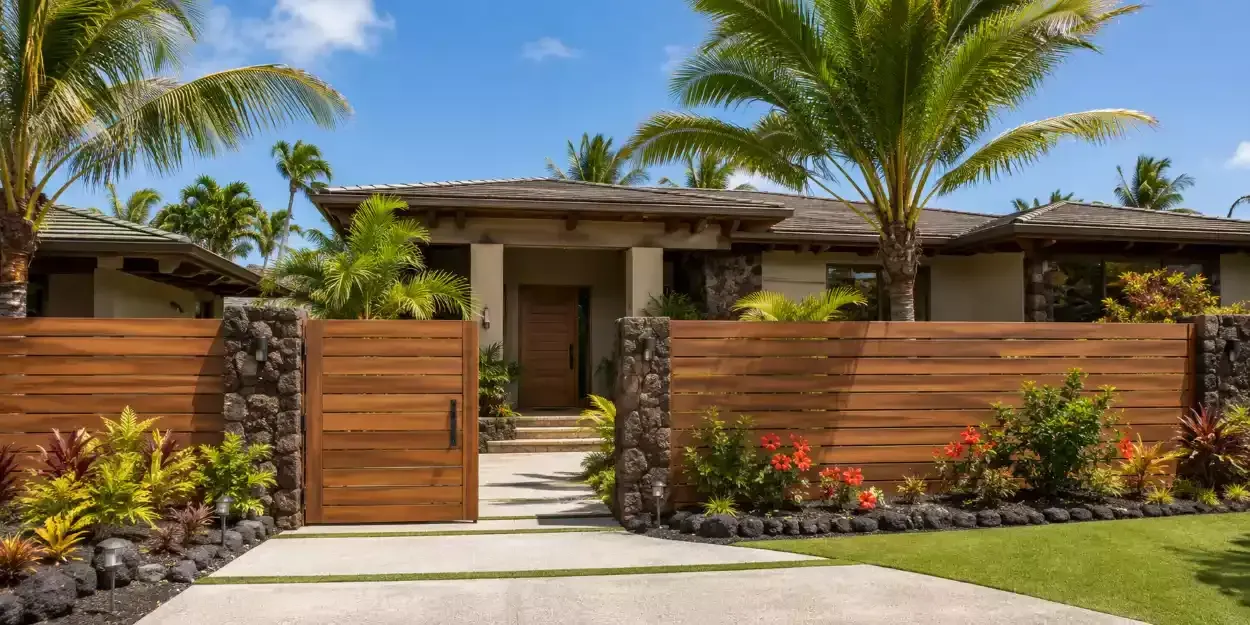
A local contractor can adapt the installation to the site. Rocky ground may require different excavation methods. Loose fill may call for wider or deeper footings. Sloped yards may need stepped or racked panels. When fencing connects to a retaining wall or rock wall, masonry knowledge helps protect the existing structure while creating a secure connection. This demonstrates the benefits of integrated masonry and fencing work, particularly when both systems must function together without compromising stability or durability.
Communication and Accountability Are Stronger
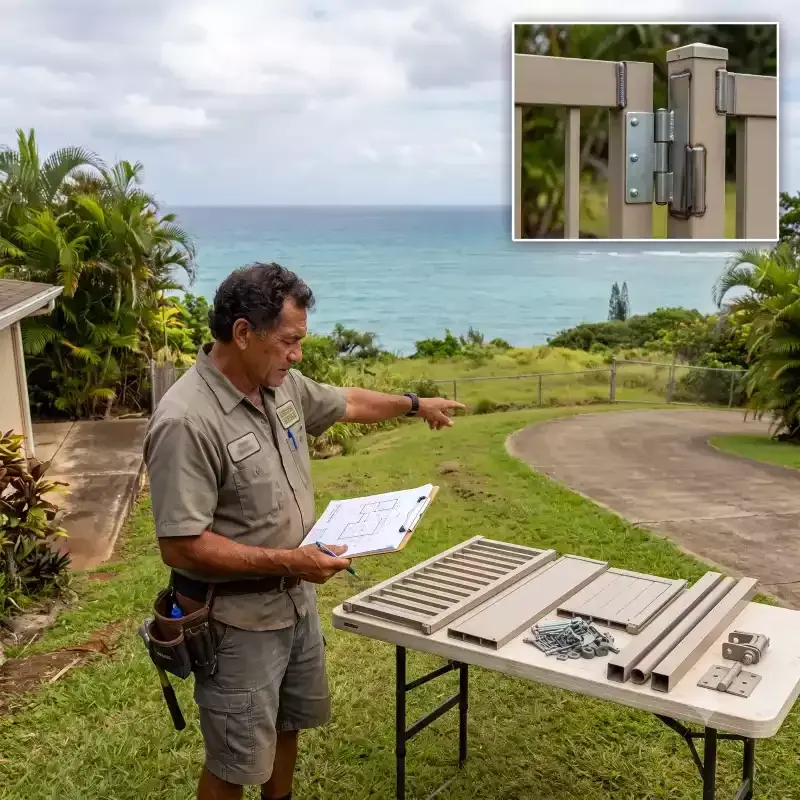
Local contractors can usually handle measurements, site visits, design discussions, and follow-up inspections more efficiently. This matters because fence projects include details that photographs cannot always show.
A responsible contractor should examine access, grade changes, drainage paths, gate clearance, utility concerns, and nearby structures before installation. Clear communication prevents confusion about height, gate direction, panel spacing, finishes, and cleanup.
Written quotes and warranties carry more weight when the contractor has verifiable contact information, a visible project history, and an established local presence. Hawaii’s Department of Commerce and Consumer Affairs advises consumers to verify a contractor’s license and classification through its BusinessCheck system before hiring.
Local Experience Prevents Common Mistakes
Many homeowners compare estimates only by price per linear foot. That approach can hide important differences. A low quote may exclude demolition, hauling, concrete removal, gate hardware, reinforcement, grading, difficult access, or permit-related work. A detailed estimate should explain the scope.
Choosing from a catalog alone is another mistake. A solid privacy fence catches more wind than an open-style fence. Hardware that performs well inland may deteriorate faster near the ocean. A preferred height may create permit or visibility concerns. Local contractors can identify these issues before materials are ordered.
The cheapest material is not always the lowest-cost option over time. Maintenance, repairs, repainting, corrosion, pest exposure, and replacement should be considered with the initial price. Good local guidance helps homeowners compare total ownership cost instead of focusing only on installation price.
Community Reputation Provides Useful Proof
A local company can be evaluated through completed projects, referrals, customer feedback, and familiarity with island construction. These signals are more useful than broad claims about quality.
Three generations of masonry and fencing work have shown that durable results depend on layout, sound footings, suitable materials, and respect for the property. Experience with residential vinyl fences, commercial enclosures, and the rock wall at Puki Shopping Center provides insight into different island sites.
Choose Local Expertise Carefully
The strongest reason to hire a local fence contractor is judgment. Hawaii’s climate, terrain, regulations, and property conditions create challenges that generic advice cannot fully address. Homeowners should compare licensing, written scope, material recommendations, warranty terms, project photos, and communication practices before signing a contract.
A well-built fence should suit the site, withstand its exposure, and remain serviceable for years. Choosing a qualified local contractor increases the likelihood that the right decisions will be made before the first post is set.

written by
Kurt Manalastas
Property Security & Exterior Improvement Journalist
Kurt creates research-based content focused on fencing solutions, property security, and outdoor boundary improvements. By combining industry best practices, material insights, and practical property protection strategies, he helps homeowners and business owners make informed decisions about building safer, more secure, and visually appealing outdoor spaces.