How Tropical Vegetation Can Damage Fences in Hawaii Over Time
Summary
Tropical vegetation can damage Hawaii fences by trapping moisture, adding weight, rubbing against finishes, and crowding posts or gates. Recognizing where plants contact the fence helps owners distinguish routine pruning needs from structural concerns and plan clearance, repairs, or planting changes before damage becomes more extensive.
A hedge can look neatly trimmed from the yard while thick branches press against the fence behind it. Vines may hide loose connections, and fallen leaves can collect around post bases long before the damage becomes visible.
For Oahu properties, the useful question is how the planting interacts with the fence as it grows. Rain, irrigation, shade, and wind exposure can make one stretch behave differently from another.
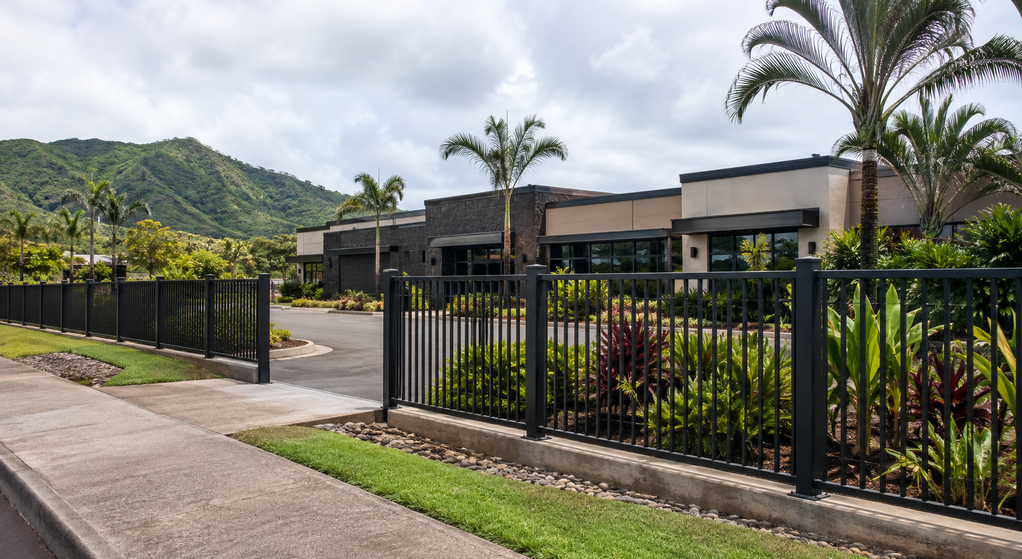
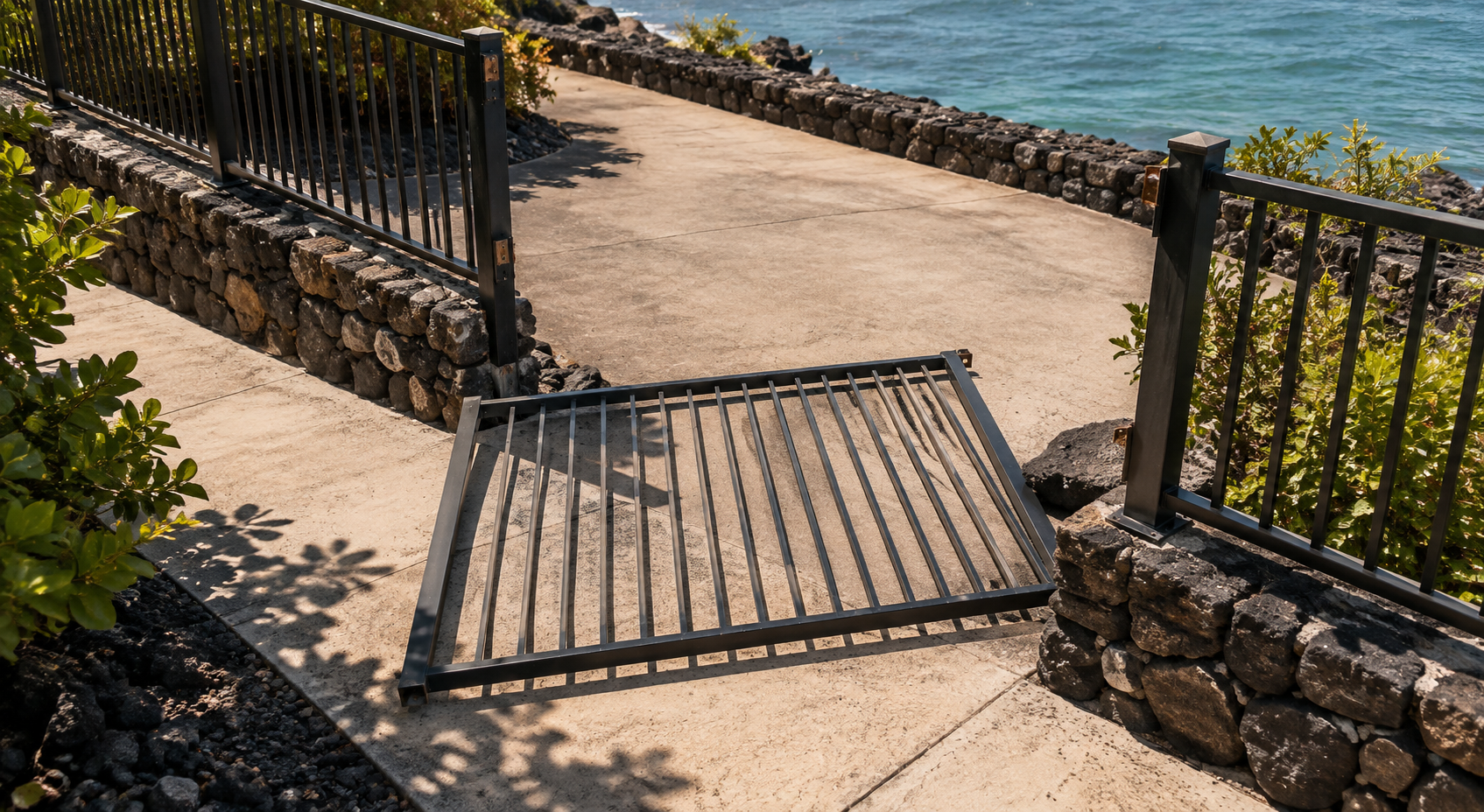
Available aluminum fence installation options in Hawaii include styles worth considering when planning a planted boundary. Even a durable material needs room for inspection and maintenance.
Sunset Hawaii Fencing Company provides residential and commercial fencing services on Oahu. Whether keeping an existing fence or planning a replacement, consider the surrounding vegetation alongside the fence material.
Vines Can Turn an Open Fence Into a Loaded Screen
An open fence lets air pass through its gaps. Dense climbing growth fills those openings, adding weight and creating more surface for wind to push against. The resulting strain depends on the plant mass, exposure, fence design, and condition of the connections.
Woody stems create another problem. A slender
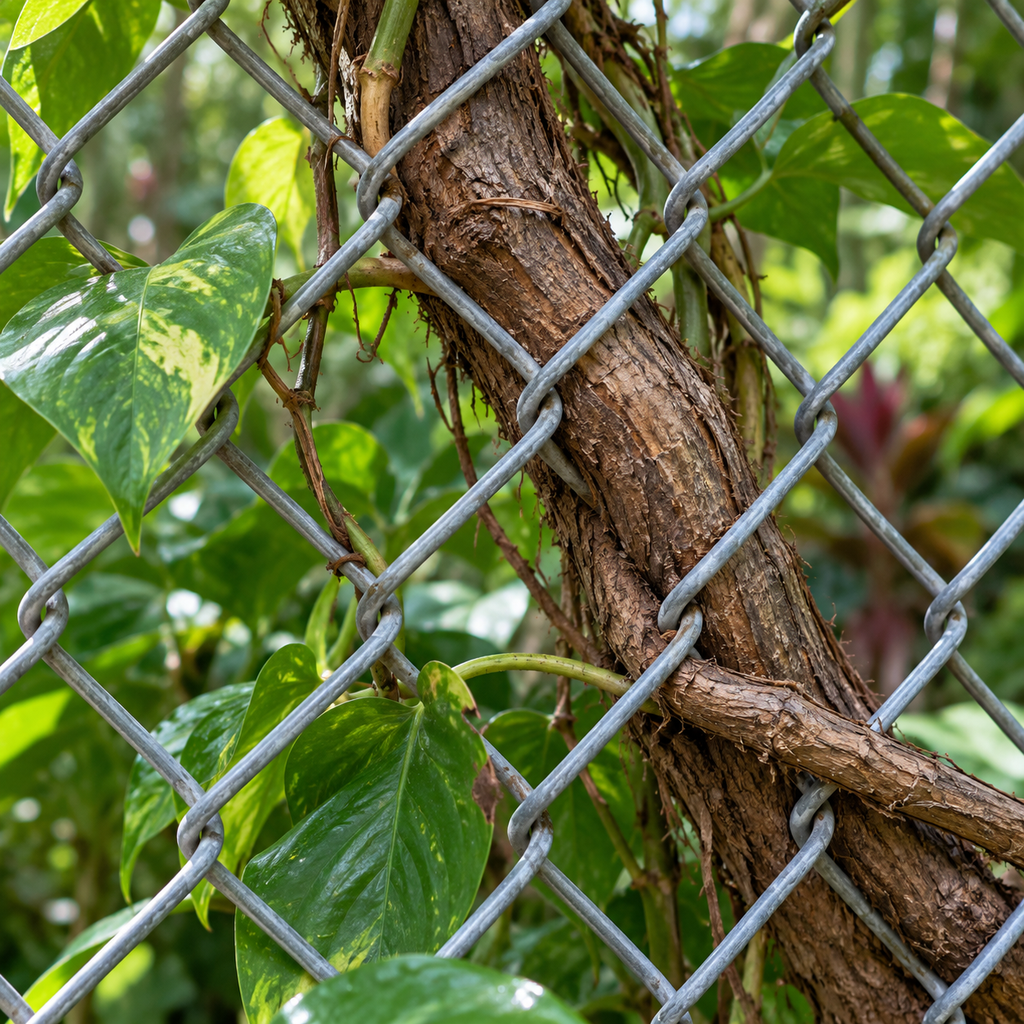
shoot can pass between pickets or through chain-link mesh, then thicken until it presses against the surrounding material. Branches resting on a top rail can also move and rub during windy weather.
Look for bent pickets, displaced rails, stems tightly wedged into openings, or a section that leans beneath concentrated growth. These deserve more attention than a few soft leaves touching the surface.
If you want climbing plants, use a separate support designed for their mature size and weight. Attaching a trellis to the fence still transfers the plant load to the fence.
Dense Planting Keeps Trouble Out of Sight
Leaves pressed against panels reduce airflow and shade the surface. Where rain or irrigation repeatedly wets that area, drying can take longer. Wet leaf litter and mulch piled against the base create additional contact with moisture.
The consequences vary by material. Prolonged dampness can contribute to decay in susceptible wood. Aluminum and vinyl do not rot, but vegetation can conceal damaged finishes, loose hardware, and distorted components. Branch rubbing can also mark or abrade exposed surfaces.
Inspect behind the planting rather than judging only the visible face. Check where stems touch rails, where debris collects, and where sprinklers hit the fence. Green surface growth alone does not prove structural failure, but it is a reason to inspect the area underneath.
For a broader care routine, long-term maintenance tips for aluminum fences in Hawaii cover cleaning and ongoing checks beyond vegetation control.
Roots and Expanding Trunks Need a Different Response
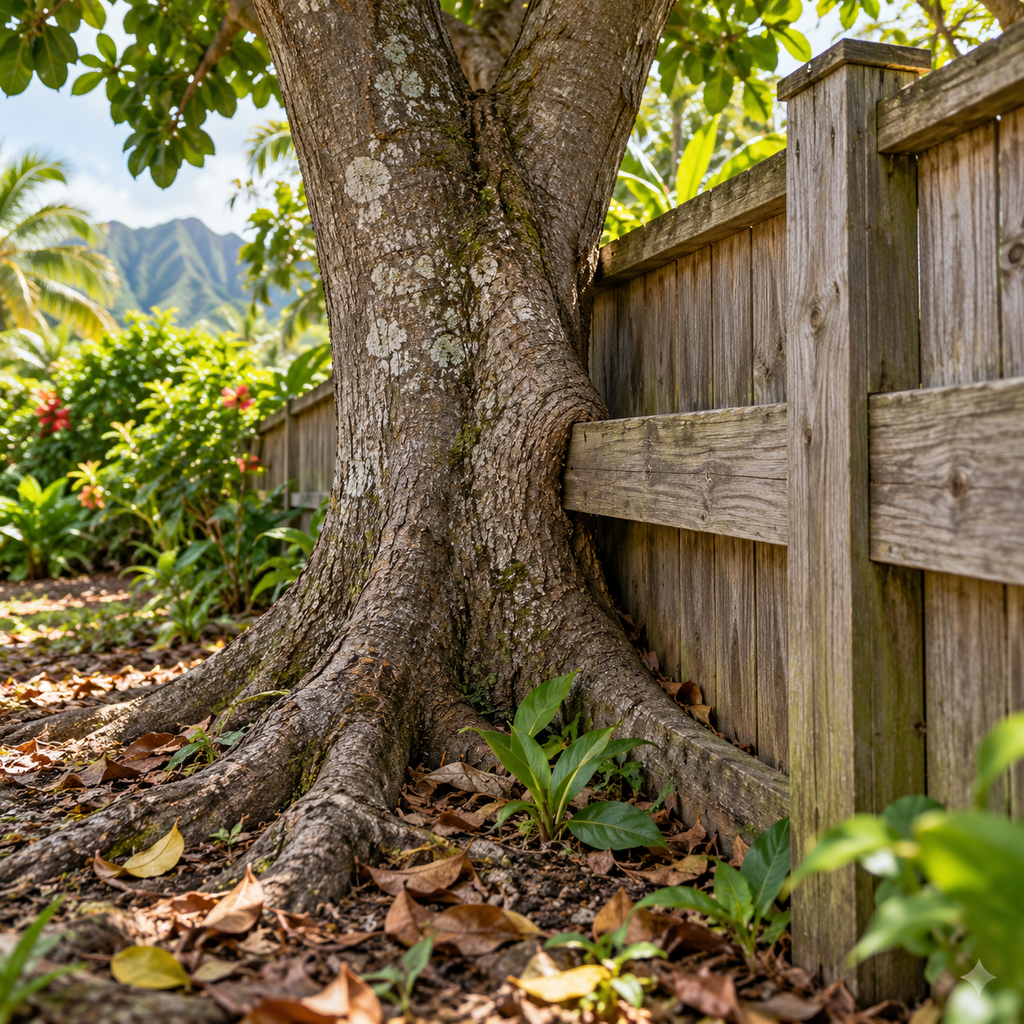
A trunk growing against a fence can gradually crowd panels or rails. Expanding roots can also conflict with nearby hardscape or fence foundations, although a leaning post is not proof of root damage. Loose footings, erosion, and deteriorated components can produce similar symptoms.
Notice whether movement is concentrated
beside a tree, whether nearby paving has lifted, and whether a trunk is visibly pressing into the fence. Photograph these conditions before arranging repairs so the full relationship remains clear.
Avoid cutting substantial roots simply to straighten a post or make room for a new hole. The University of Florida’s guidance on tree roots and wind-resistant landscape design explains that cutting structural roots can reduce tree stability.
Where mature trees and fence work overlap, have an arborist assess the tree while a fencing professional evaluates the structure. Moving a post or adjusting the layout may be more appropriate than removing roots, depending on the site and boundary constraints.
Clear Growth Without Pulling the Fence Apart
Removing vegetation can damage a fence that has become entangled with it. Pulling a long woody vine through several openings can tug on pickets, mesh, and connections at once.
For small, accessible growth, cut it into manageable sections and release the pieces gently. Stop if the fence moves with the plant or a stem has become embedded. Heavy limbs, suspended growth, and visibly unstable panels need professional assessment before removal.
Once the surface is visible, separate cosmetic problems from functional damage. Staining may need suitable cleaning. A bent rail, loose post, or gate that no longer latches needs closer evaluation.
Options for repairing a leaning or damaged fence without full replacement can help frame the next decision. A localized defect may be repairable, but continued plant pressure must also be addressed.
Leave Space for the Plant You Will Have Later
Choose planting positions using mature width and growth habit, rather than the size of the nursery container. There is no single clearance distance suitable for every hedge, tree, and fence. Leave enough working space to see connections, remove debris, and prune without forcing branches against the structure.
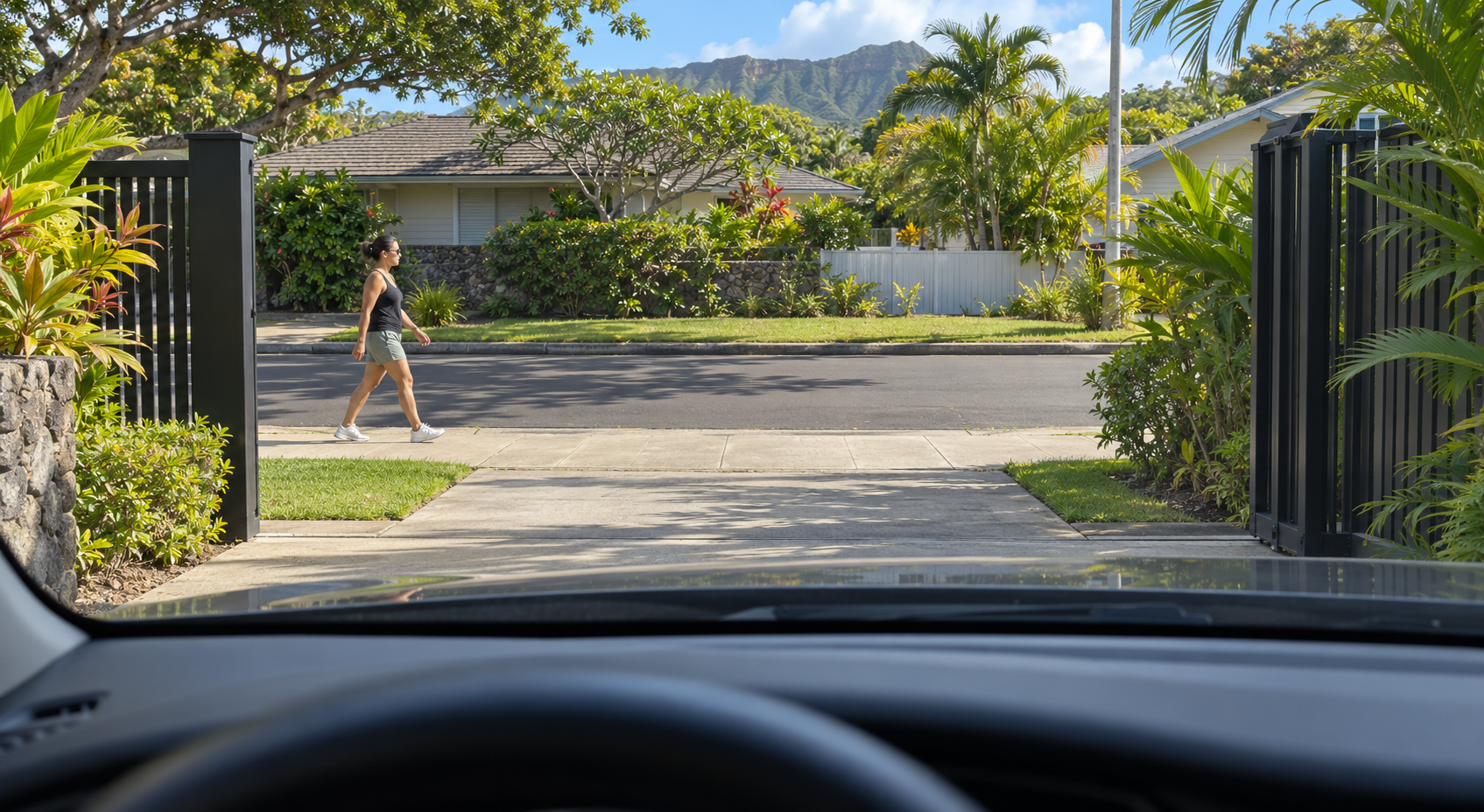
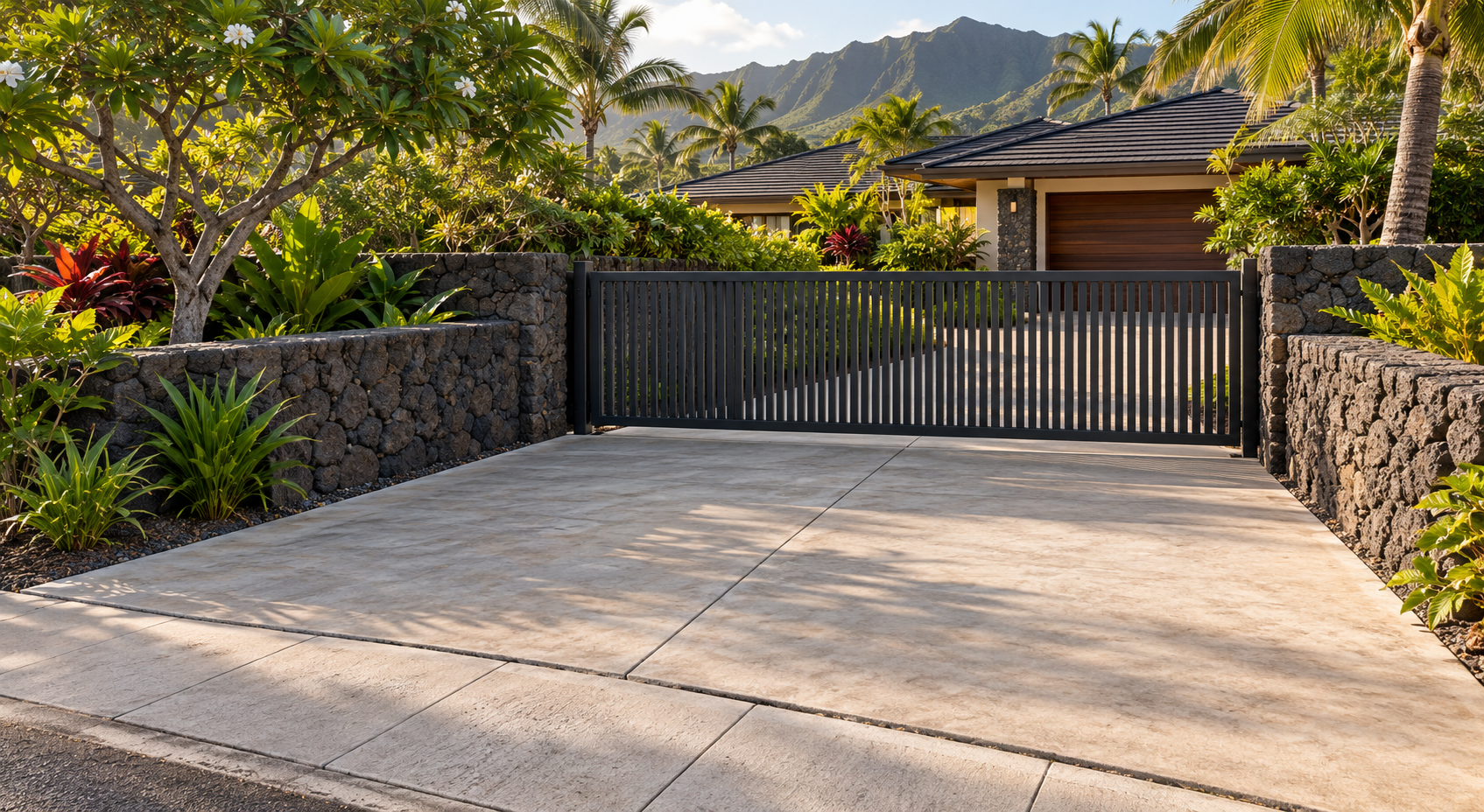
Keep gate hinges, latches, and the full swing
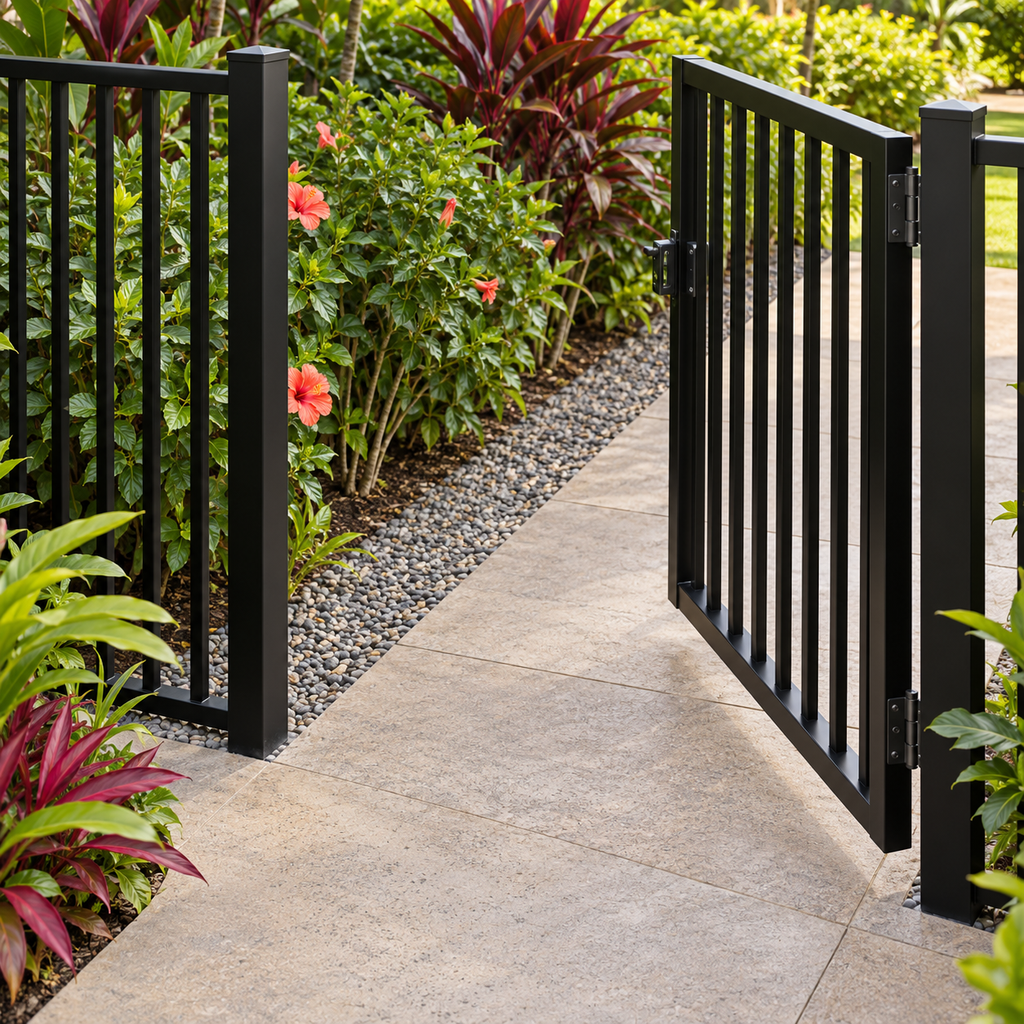
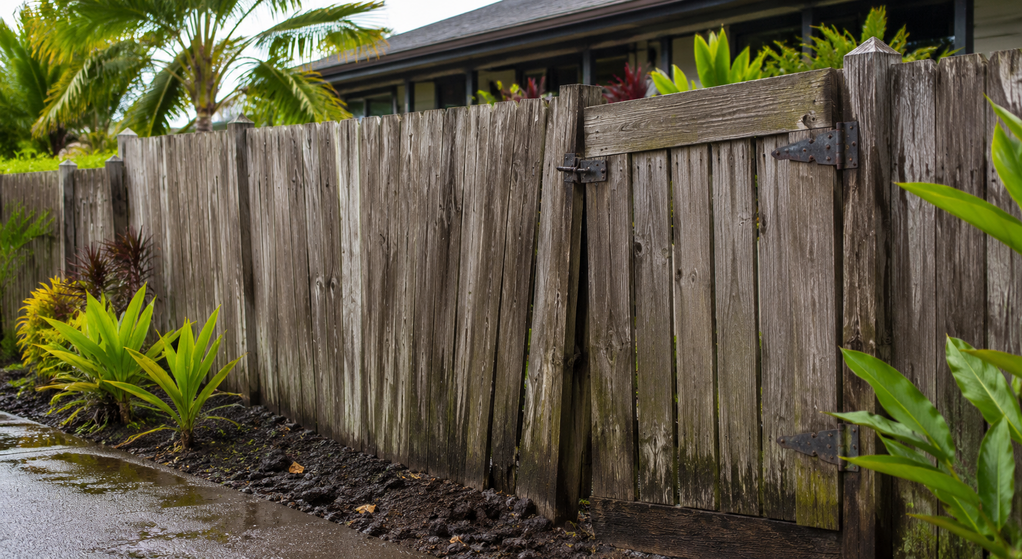
path clear. A shrub that does not touch the closed gate may still obstruct it when opened. Redirect sprinkler spray where practical, and keep accumulated clippings away from post bases.
After pruning, photograph any remaining distortion and check it again during routine yard care. If the same plant repeatedly fills the maintenance space, relocating or replacing it may be more practical than increasingly severe trimming.
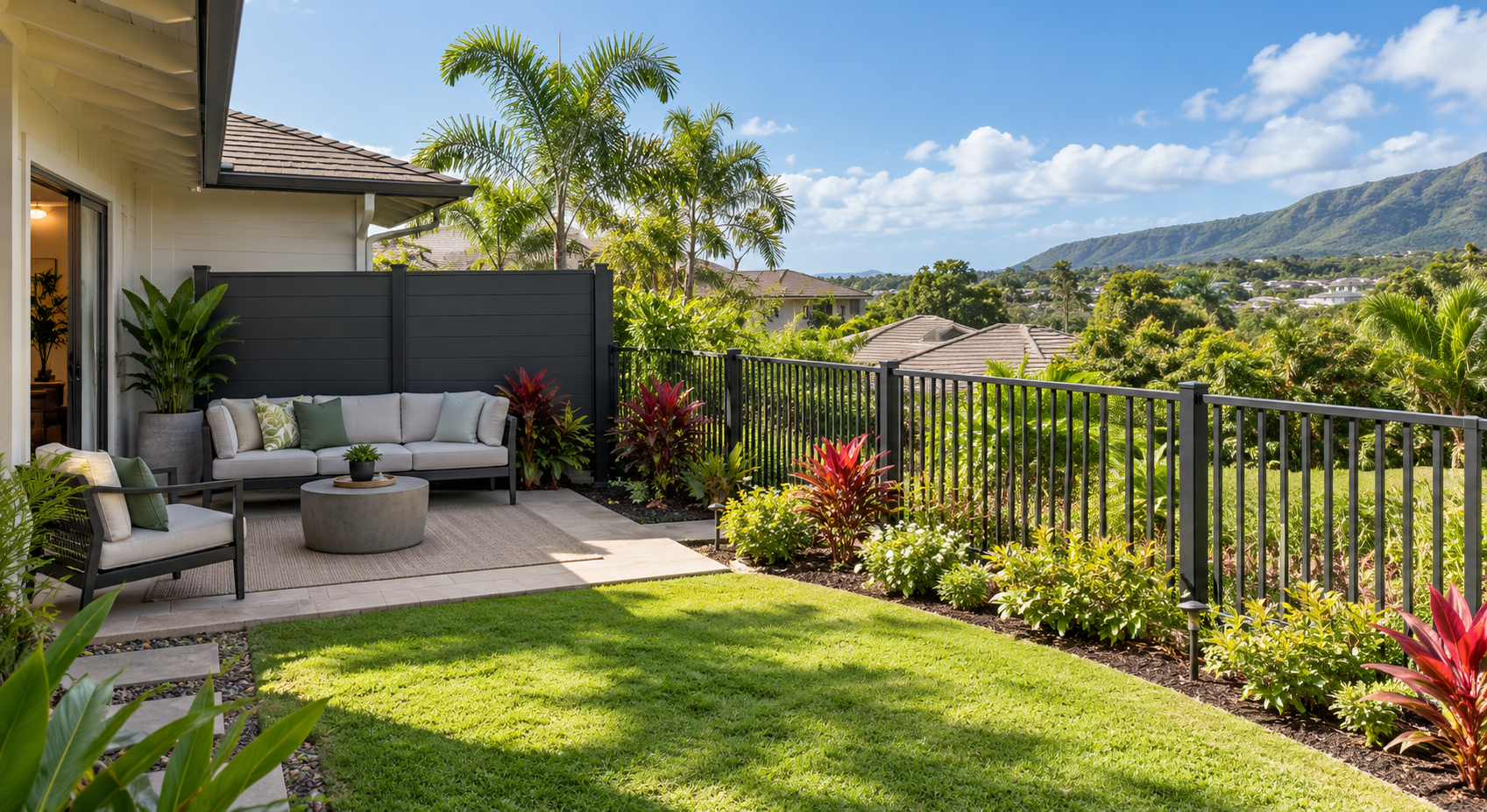
A planted boundary can provide greenery without making the fence its support system. Preserving access and responding to contact early makes it easier to protect both the fence and the landscape.

written by
Kurt Manalastas
Property Security & Exterior Improvement Journalist
Kurt creates research-based content focused on fencing solutions, property security, and outdoor boundary improvements. By combining industry best practices, material insights, and practical property protection strategies, he helps homeowners and business owners make informed decisions about building safer, more secure, and visually appealing outdoor spaces.