When Fence Damage Becomes a Safety Concern in Hawaii
Safety Check
Fence damage in Hawaii becomes a safety concern when leaning posts, loose panels, sharp hardware, unstable gates, rot, corrosion, or termite damage could cause collapse, injury, escape, or unauthorized access. Prompt inspection is especially important because salt, moisture, wind, and wet soil can quickly worsen structural weakness.
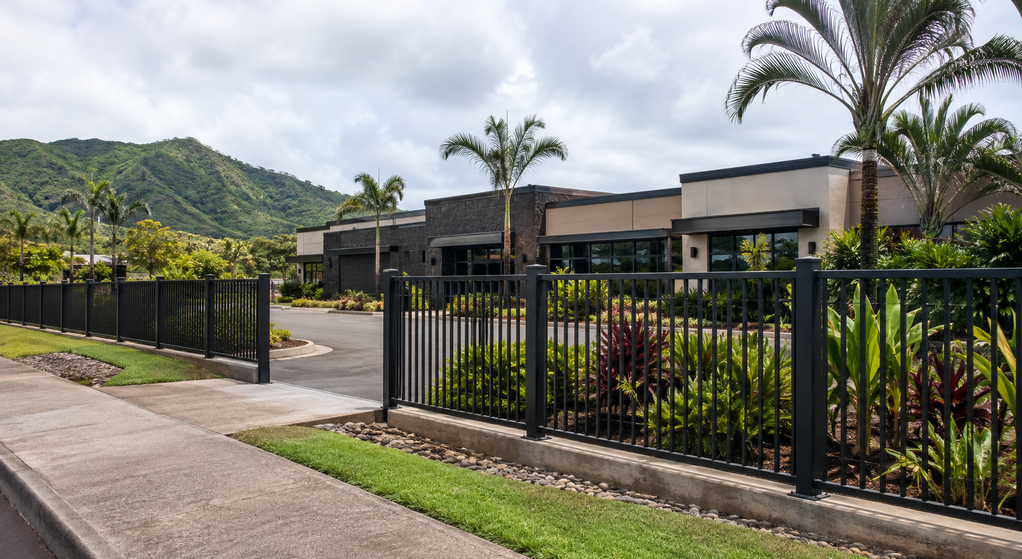
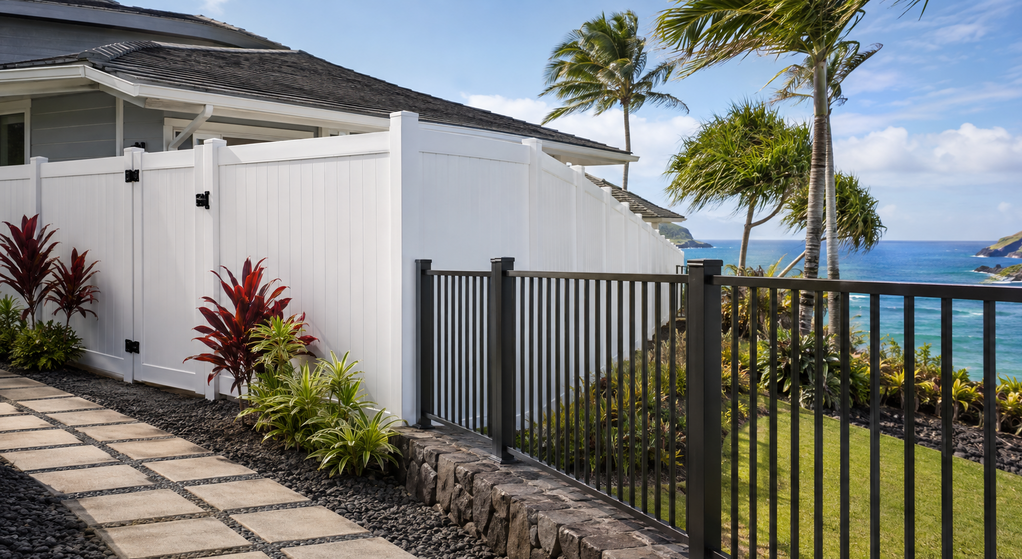
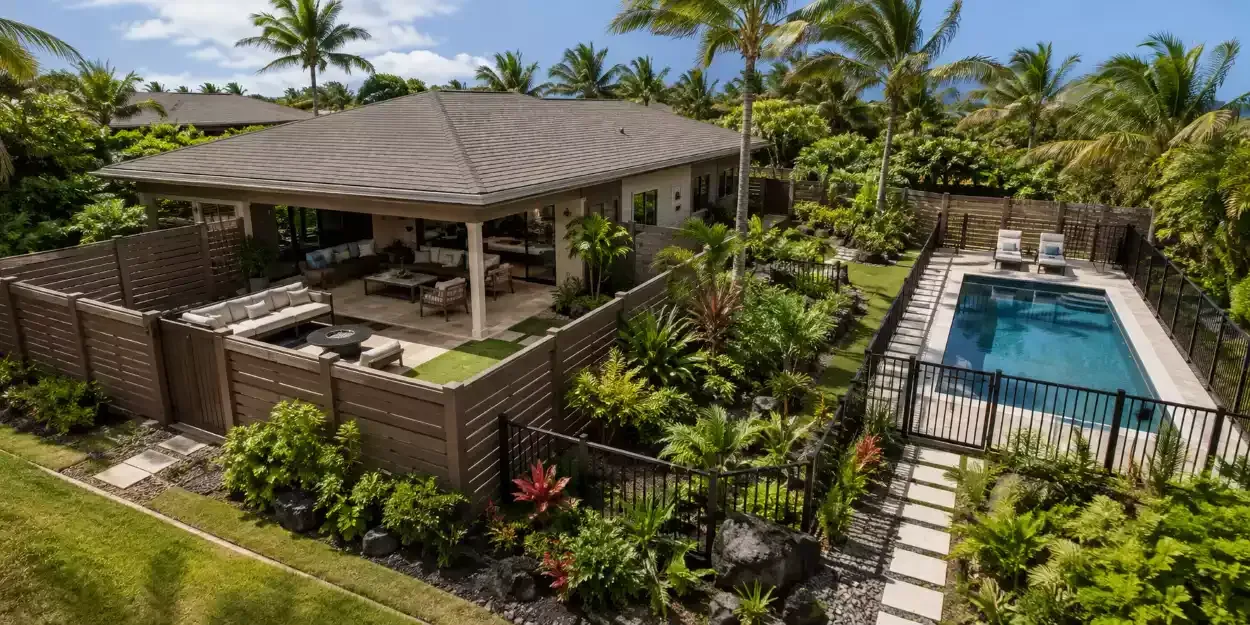
A damaged fence can look like a minor maintenance issue until one strong gust, loose panel, or failed post turns it into a genuine hazard. Hawaii’s salt air, humidity, rain, termites, and wind can weaken several materials at once. When widespread corrosion, rot, or failed posts make repair impractical, professional aluminum fencing services in Hawaii may provide a durable replacement for open boundaries where visibility, airflow, and resistance to rot or termite damage are priorities.
Why Fence Damage Develops Faster in Hawaii
Based on years of island fencing and masonry work, Sunset Hawaii Fencing Company has seen that fence problems rarely come from one cause alone. Salt exposure may weaken connectors while wet soil loosens a post footing. Vegetation can press against panels, and termites may damage wood from the inside. A fence that looks stable may already have several weak points.
Coastal properties around Oʻahu are especially vulnerable to airborne salt, while windward areas often deal with more moisture and vegetation growth. Even inland fences can deteriorate quickly when drainage is poor or posts lack adequate footing. Hawaii’s conditions demand closer inspection and earlier repair than in drier climates.
A Leaning Fence Is More Than a Cosmetic Problem
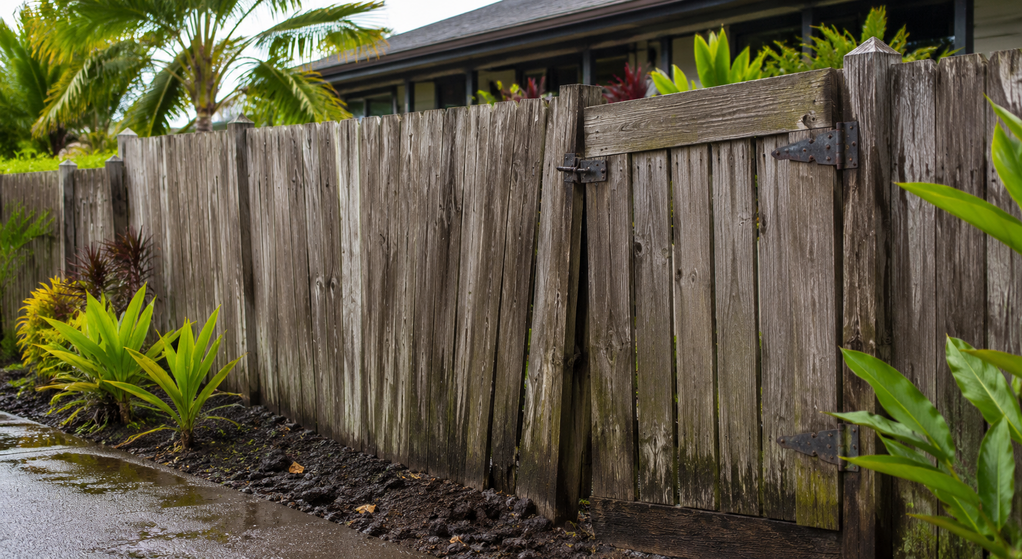
A slight lean is often the first visible sign that a fence is losing structural support. The cause may be rotten posts, corroded brackets, cracked footings, soil erosion, or repeated wind pressure. Once several posts shift, the connected panels can pull the entire section farther out of alignment.
In some cases, repairing a leaning fence without full replacement is possible when the damage is limited to specific posts, brackets, or footings.
A slight lean is often the first visible sign that a fence is losing structural support. The cause may be rotten posts, corroded brackets, cracked footings, soil erosion, or repeated wind pressure. Once several posts shift, the connected panels can pull the entire section farther out of alignment.
Loose Panels and Hardware Can Cause Injuries
Loose boards, rails, pickets, screws, and brackets create immediate injury risks. A detached panel can fall onto a person, damage a vehicle, or become airborne during strong winds. Exposed nails, splintered wood, and sharp metal edges can cause cuts and puncture wounds, especially around children or pets.
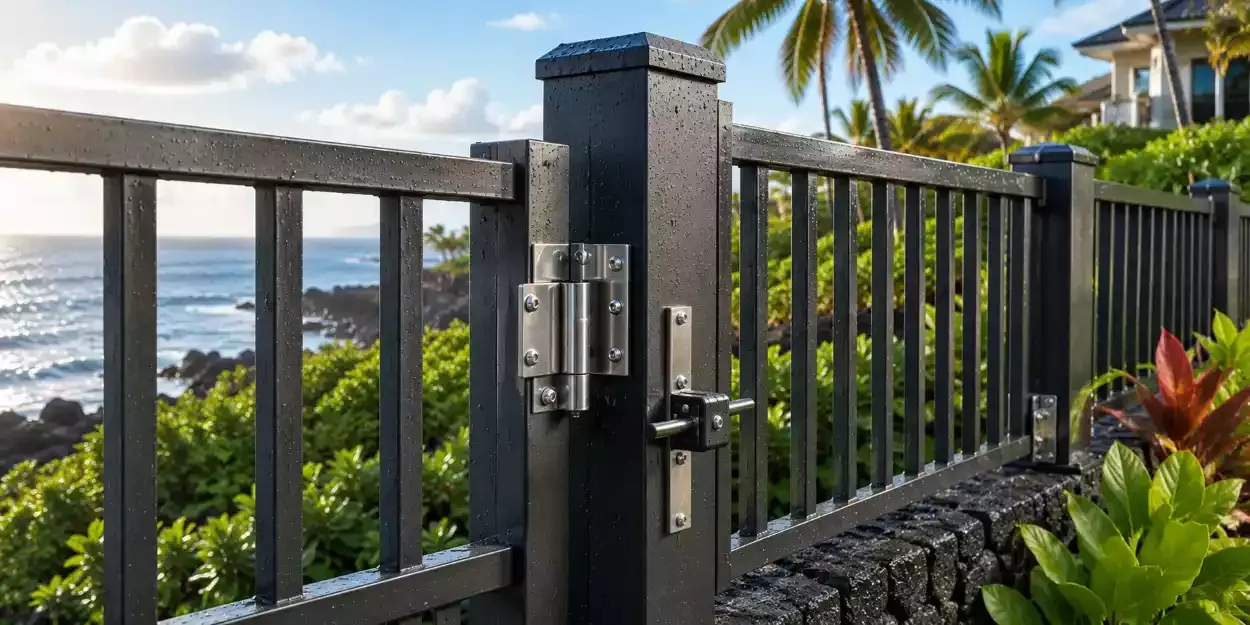
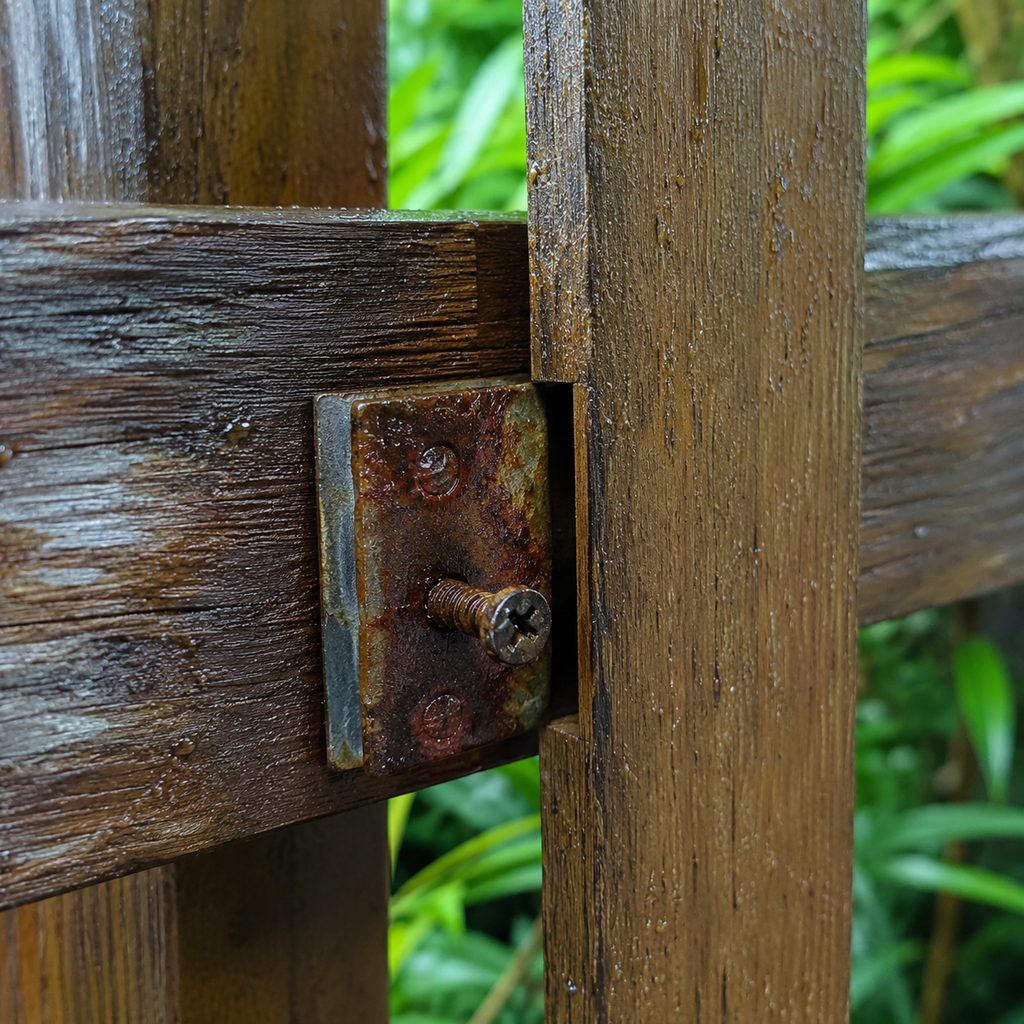
Corrosion deserves particular attention in Hawaii. Rust can spread beneath paint or coating, weakening fasteners before the damage becomes obvious. Replacing one visible screw may not be enough if nearby brackets, hinges, and connectors are also deteriorating. The safer decision is to inspect the whole affected section and replace badly corroded hardware together.
Damaged Gates Create Serious Liability
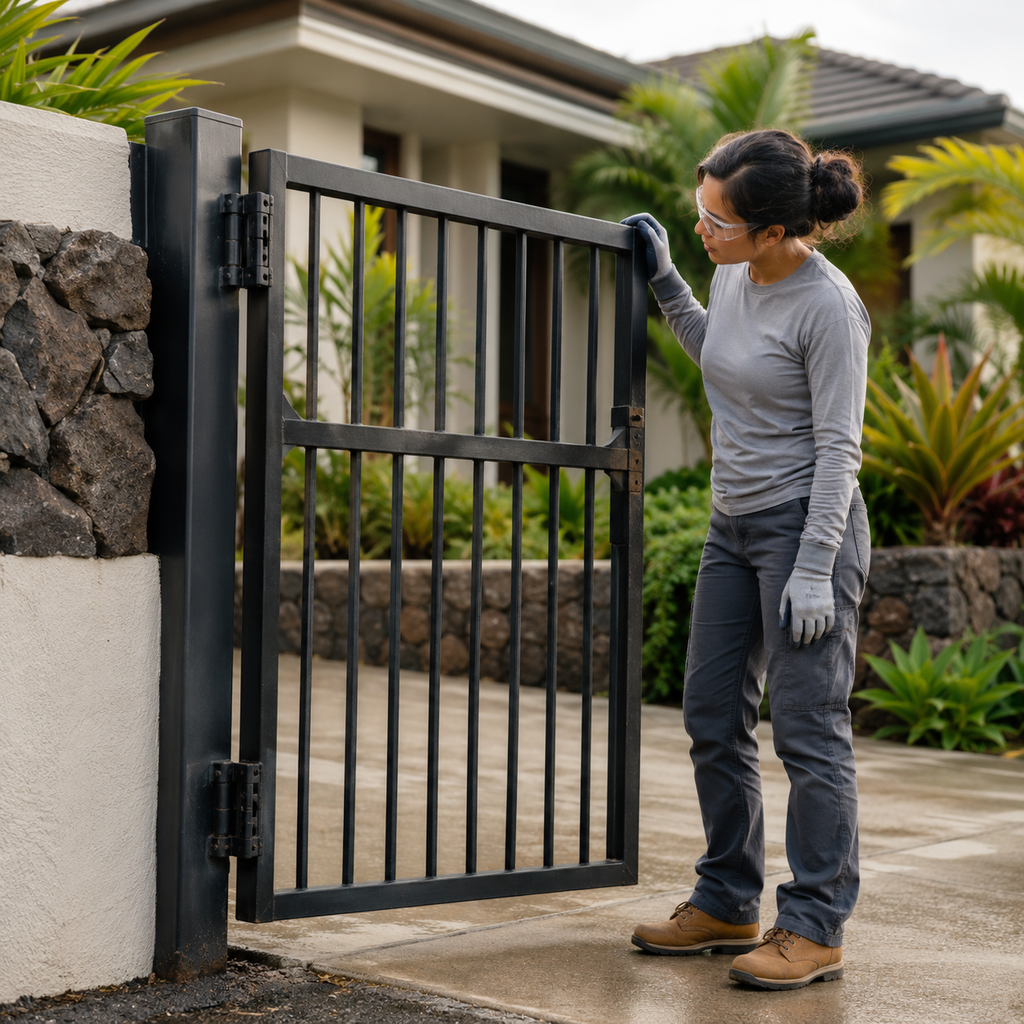
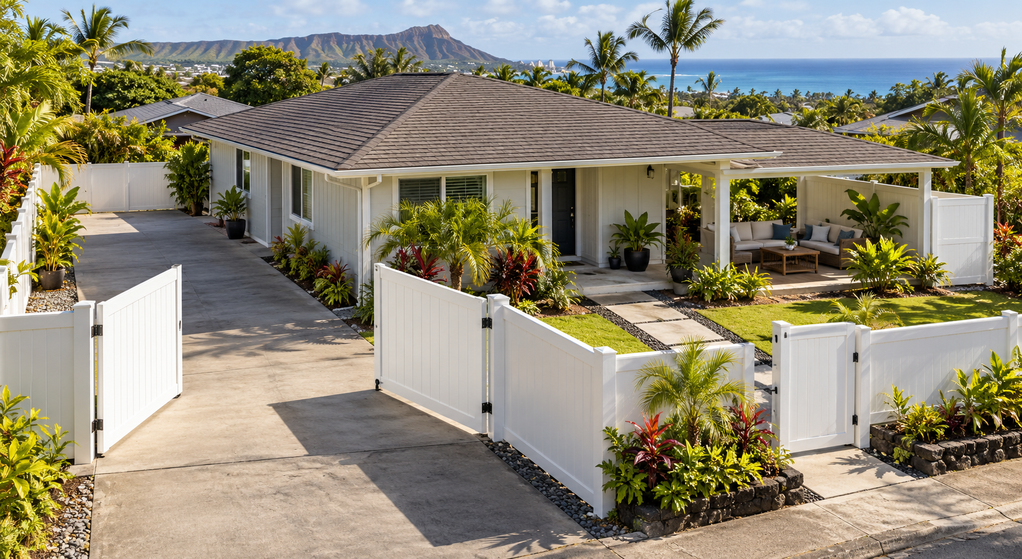
Gates often fail before fixed fence sections because they carry weight while opening and closing repeatedly. A sagging gate places extra force on hinges, latch posts, and nearby panels. If a heavy gate detaches or swings unexpectedly, it can strike someone, trap fingers, or damage property.
A gate becomes unsafe when it drags, no longer latches securely, moves at the hinge post, or opens under light pressure.
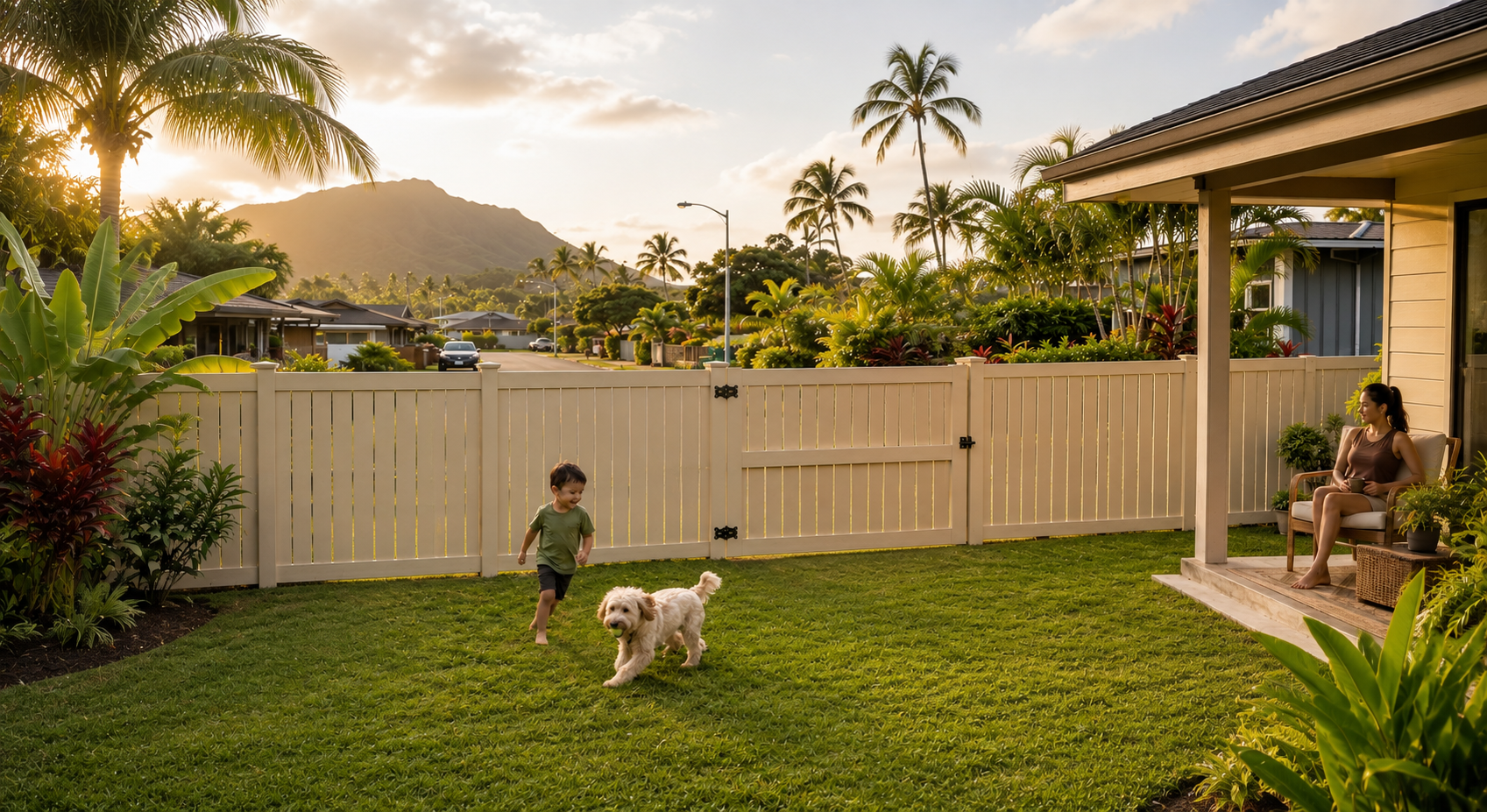
Pool and street-facing gates require faster attention because failure can expose a child or pet to danger. Adjusting the latch alone is not enough when the frame or support post has shifted.
Loose Panels and Hardware Can Cause Injuries
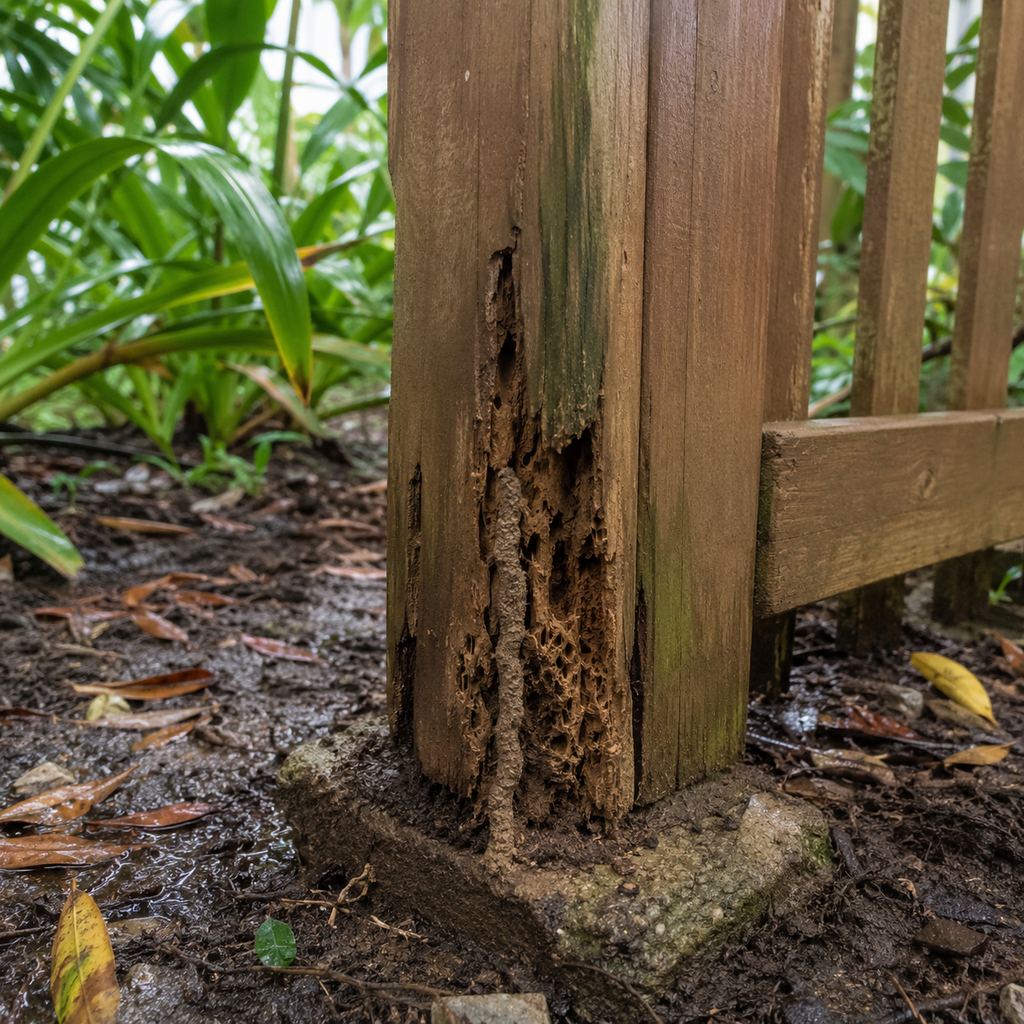
Wood fences can look acceptable on the surface while suffering internal decay. Soft areas near the base, bubbling paint, hollow-sounding wood, insect activity, and repeated cracking are warning signs. Termites and moisture reduce the amount of solid material carrying the fence load.
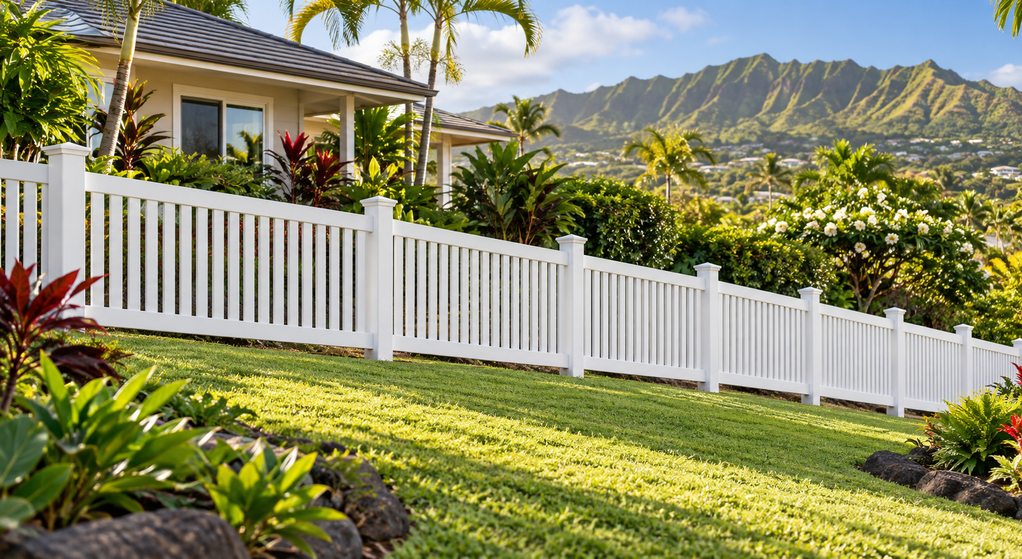
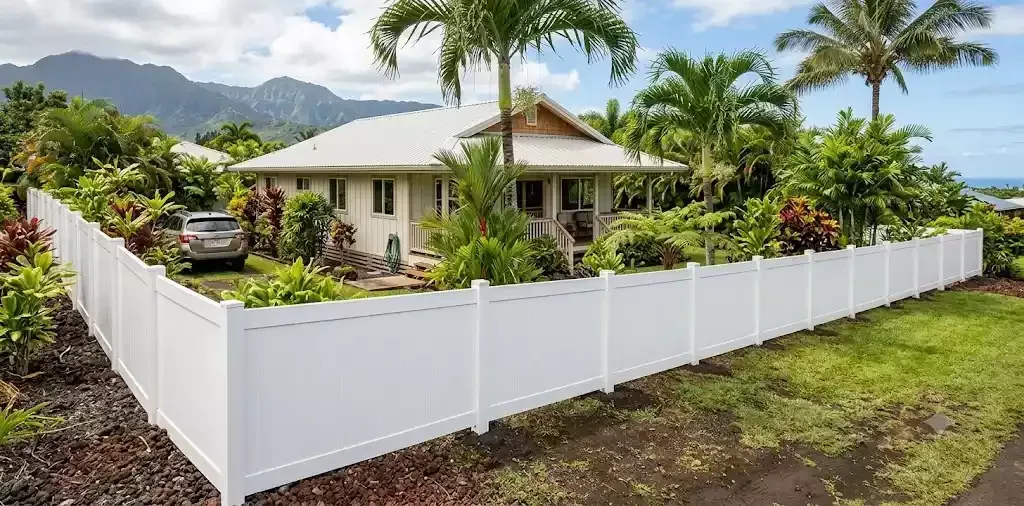
Wood offers a natural appearance and can be repaired in sections, but it needs inspection, sealing, pest protection, and clearance from wet soil. Vinyl and aluminum avoid rot and termite damage, yet they still depend on sound posts, compatible hardware, proper spacing, and secure footings. No material is safe when the installation underneath it is weak.
When Repair Is No Longer the Smart Choice
Repair makes sense when damage is isolated and the surrounding posts, rails, and footings remain solid. One broken picket, limited hardware damage, or a single damaged panel can often be corrected without replacing the whole fence. Replacement is safer when several posts are loose, corrosion is widespread, termite damage crosses multiple sections, or the fence repeatedly leans after repairs.
Repeated patchwork is one of the costliest mistakes owners make. Each repair may seem affordable, but attaching new materials to a failing structure creates false confidence. If the fence cannot resist normal wind, hold a gate in alignment, or remain stable when lightly tested, continued patching is difficult to justify.
What to Do When a Fence Appears Unsafe
Keep children and pets away from the damaged section and restrict access where possible. Secure small loose pieces only when it can be done safely. Do not pull, climb on, or dismantle a leaning fence without understanding how connected panels are carrying weight. Heavy gates and long fence runs can shift suddenly when a fastener or post is removed.
A proper inspection should examine posts, footings, rails, panels, fasteners, gates, drainage, and surrounding soil. The goal is to identify the cause, not merely the visible symptom. After storms or heavy rain, check for fresh movement, washed-out soil, and panels rubbing against trees or walls.
Treat Structural Damage Early
Fence damage becomes a safety concern when the structure can fall, create sharp hazards, fail to contain children or pets, or no longer control access to the property. In Hawaii, waiting can allow the problem to spread because salt, moisture, termites, wind, and unstable soil continue weakening already damaged materials.
Hardware and connection points deserve particular attention. Corroded screws, brackets, hinges, latches, welds, and fasteners may lose strength before the surrounding panel or post appears seriously damaged. Scratched, peeling, or worn coatings can also expose metal to moisture and salt, accelerating deterioration beneath the visible surface.
Our guide to why fence hardware and coatings matter in Hawaii explains how local exposure affects fasteners, hinges, brackets, gates, protective finishes, and the long-term stability of the entire fence system.
When a fence appears unsafe, the immediate area should be secured and the full fence line inspected. The evaluation should identify not only the visibly damaged section but also the source of the problem, such as failed hardware, weakened footings, corrosion, rot, termites, drainage, or soil movement.
The safest response is to correct the underlying cause and replace any post, panel, gate, or connection that can no longer provide dependable support. Addressing structural damage early reduces the likelihood that one weak section will create a larger safety or access problem.

written by
Kurt Manalastas
Property Security & Exterior Improvement Journalist
Kurt creates research-based content focused on fencing solutions, property security, and outdoor boundary improvements. By combining industry best practices, material insights, and practical property protection strategies, he helps homeowners and business owners make informed decisions about building safer, more secure, and visually appealing outdoor spaces.