How to Fix a Leaning or Damaged Fence Without Full Replacement
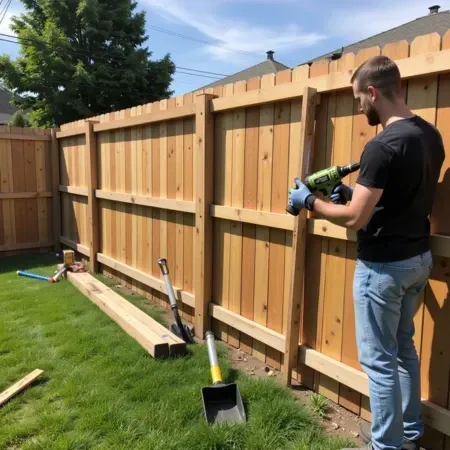
For sure, most homeowners in Hawaii want to save money and get away with the repetitive process of installing and reinstalling some features in houses once they have problems—including fences. Although high-quality and well-installed fences can last for years, it is normal to see some damage and leaning over time.
However, fence installation in Hawaii ain’t always cheap—depending on the material, and replacing our fences more often can burn a hole in our pockets. This is why we always come to a point where we need to assess whether we need a full replacement or just a repair for our Hawaii fence. If you have decided which solution to take, we have collected all the things you need to help you make the right decision:
Why Do Fences in Hawaii Lean?
Identifying what causes the problem can help you determine what solution is the best to solve it. Here’s why your fences might lean:
• Strong winds, heavy rains, or snow can make your fences lean or the panels become loose as these forces can physically move them or erode the soil around them.
• Poor water drainage can cause the soil to soften and posts to shift due to water pooling. Also, soil erosion can remove the support around the post, causing stability issues.
• Wood, metal, vinyl, and other materials for fences in Hawaii commonly age and wear in the long run, leading to weakened structures that make them more vulnerable to damage.
• If the fence doesn’t have a strong foundation in its installation process or if it wasn’t properly installed at all, it might lack support to stand firm against natural climate challenges.
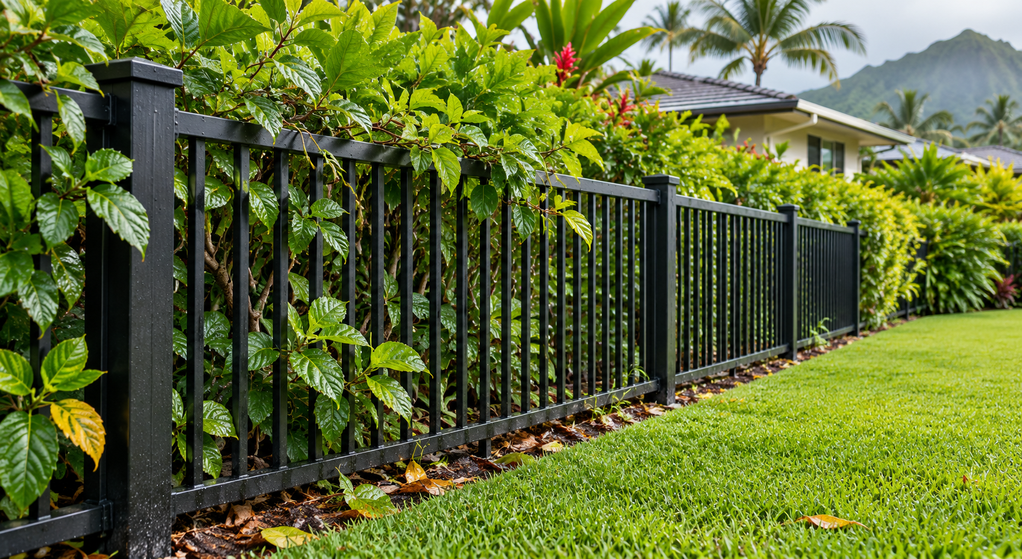
• Tree roots and vines can lift or push the posts, which can cause leaning. Also, they can add to the weight when the stems grow and displace the soil around the fence posts.
Tip: To avoid long-term structural issues, it helps to consider proper
site preparation for fencing in Hawaii before installation even begins.
When to Repair and When to Replace
Here is the general rule of thumb: it actually depends on the extent of the damage. If the damaged area is localized (one or two leaning posts, a few broken pickets, or minor warping), you can still save your fences and repairs are usually effective. However, if more than 25% of the fence shows signs of conspicuous damage, or if the repairs are needed more often, replacing the entire structure could be the best solution.
Not sure if full replacement is worth it? Check out the
key advantages of fences in Hawaii over alternative solutions to see what long-term benefits you're getting.
How to Repair a Leaning or Damaged Fence
First, different materials require different types of repair solutions. Here are some tips for different fencing materials available in Hawaii:
For the Leaning Section:
Wooden Fences – Straighten the post by digging around the base of the leaning post and remove the loose soil using a lever. Check the alignment with a level and once straight, you should brace the post temporarily and pour new concrete around the base. Allow it to set before removing the braces.
Metal and Vinyl Fences – Check the base of the posts for damage and corrosion. Then, replace the affected posts if necessary, or reinforce them with additional materials such as concrete or gravel.
Tip: Curious about whether vinyl is a good material for Hawaii’s weather? Read about Hawaii's vinyl fencing and its pros and cons for island homes.
For Broken Rails or Pickets:
Wooden Fences: Remove the damaged rails or pickets and replace them with new wood treated for outdoor use. Secure them with galvanized nails or screws. Be careful not to damage the surrounding structure to avoid additional replacement.
Vinyl Fences: Reach out to your Hawaii fence builder and purchase replacement sections to ensure a matching fence. Then, install the fence using the manufacturer-recommended hardware.
Metal Fences: You can use a rubber mallet to gently straighten the bent sections. If there are rusted parts, treat them with a rust converter before repainting.
Repair Techniques by Common Fencing Material in Hawaii
Wooden Fences – Make sure to remove any signs of rot or insect damage with preservatives before sealing with waterproof stain or paint.
Vinyl Fences – Check for cracking and brittleness. These issues can be repaired with a special PVC adhesive. You can ask your fencing contractor in Hawaii where you can get the ideal PVC adhesive for you.
Metal Fences – Sand down rusted areas and apply a primer and metal paint to prevent the corrosion from becoming worse.
Pro Tip: Not all materials perform equally in the tropics. Here’s a breakdown of the
best materials for fencing in Hawaii to help you decide what works best for your needs.
Maintenance Tips
Inspecting and maintaining your fences regularly can still prolong the lifespan of your fences significantly. Although there is a point where they meet the end point of their lifespan, doing so can help them serve their purpose even longer without incurring repair and maintenance costs prematurely.
Keep vegetation clear and avoid moisture and rot. Also, tighten loose hardware after stormy weather, and clean off any mold or mildew with appropriate cleaners.
Maintenance is key, especially when trying to avoid common fence problems during Hawaii’s wet and cold seasons.
Final Thoughts
Some people feel that repairs aren’t enough, and full replacements of Hawaii fences aren’t cheap. However, this is understandable. Sometimes we also value aesthetics, and being functional alone cannot provide our satisfaction. We hope that these simple yet important details can help you assess your fencing needs in Hawaii. However, you should also determine if the process of repair and replacement is worth your time or if you have enough skills and knowledge of how to do so. If you think it is better to get help from professionals, Sunset Hawaii Fencing Company offers all-around fencing solutions, the best in Hawaii! Message us today or fill out our forms to learn more about our fencing services and solutions.