How to Add Privacy Without Making Your Hawaii Yard Feel Enclosed
Summary
A Hawaii yard can feel private without a tall, solid fence on every side. Start by identifying the views you want to block, then combine targeted screens, open fencing, and carefully placed plants. Check the layout from seated positions, preserve useful breezes, and plan for access and mature plant growth.
Privacy works best when it protects the places where you spend time. A dining table exposed to the sidewalk may need screening, while a garden facing an attractive view may benefit from staying open. Giving both areas the same enclosure can sacrifice more openness than necessary.
Aluminum fencing installation services in Hawaii include options worth considering when combining open boundaries with selected privacy sections.
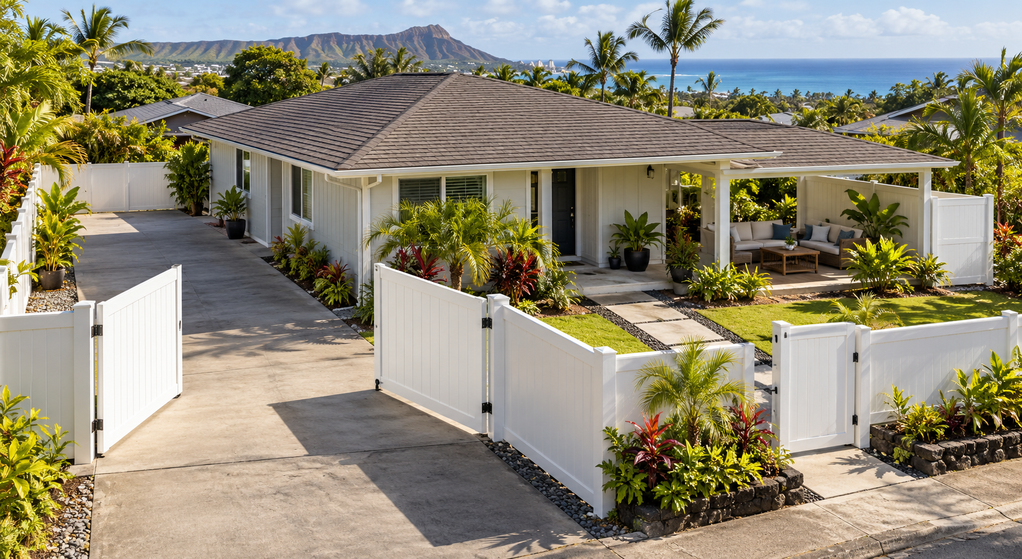
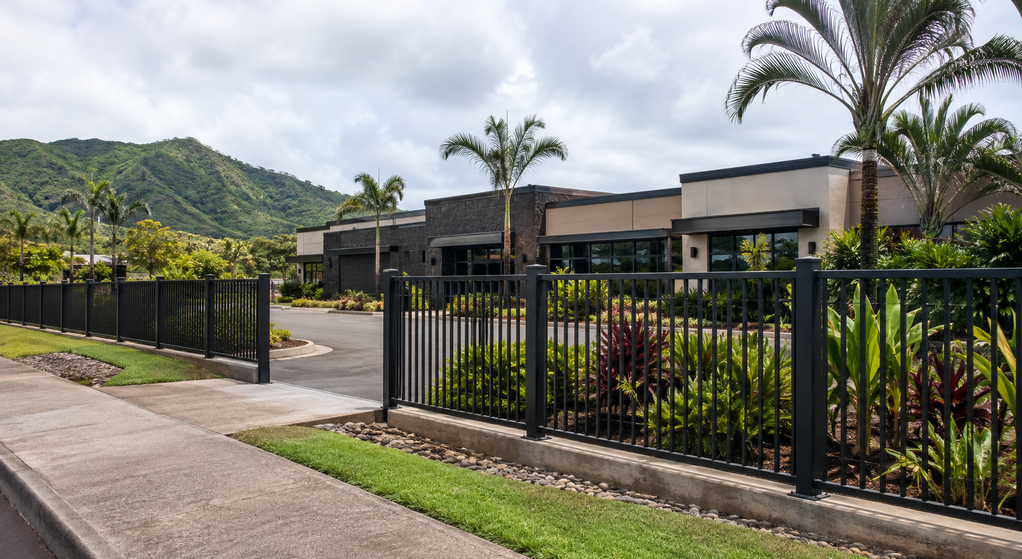
Sunset Hawaii Fencing Company offers aluminum fencing on Oahu, including flat-top, solid-panel, and louvered designs. These configurations serve different purposes, so choose the layout around the views you want to keep and the ones you want to interrupt.
Start From Your Chair, Not the Property Line
Sit where you normally eat, read, or relax. Identify exactly where you feel exposed. Is the unwanted view coming from a sidewalk, a neighboring lanai, or an upstairs window? Then stand and repeat the check. A screen that protects a seated person may not provide standing-height privacy.
Sketch these sightlines alongside the views you
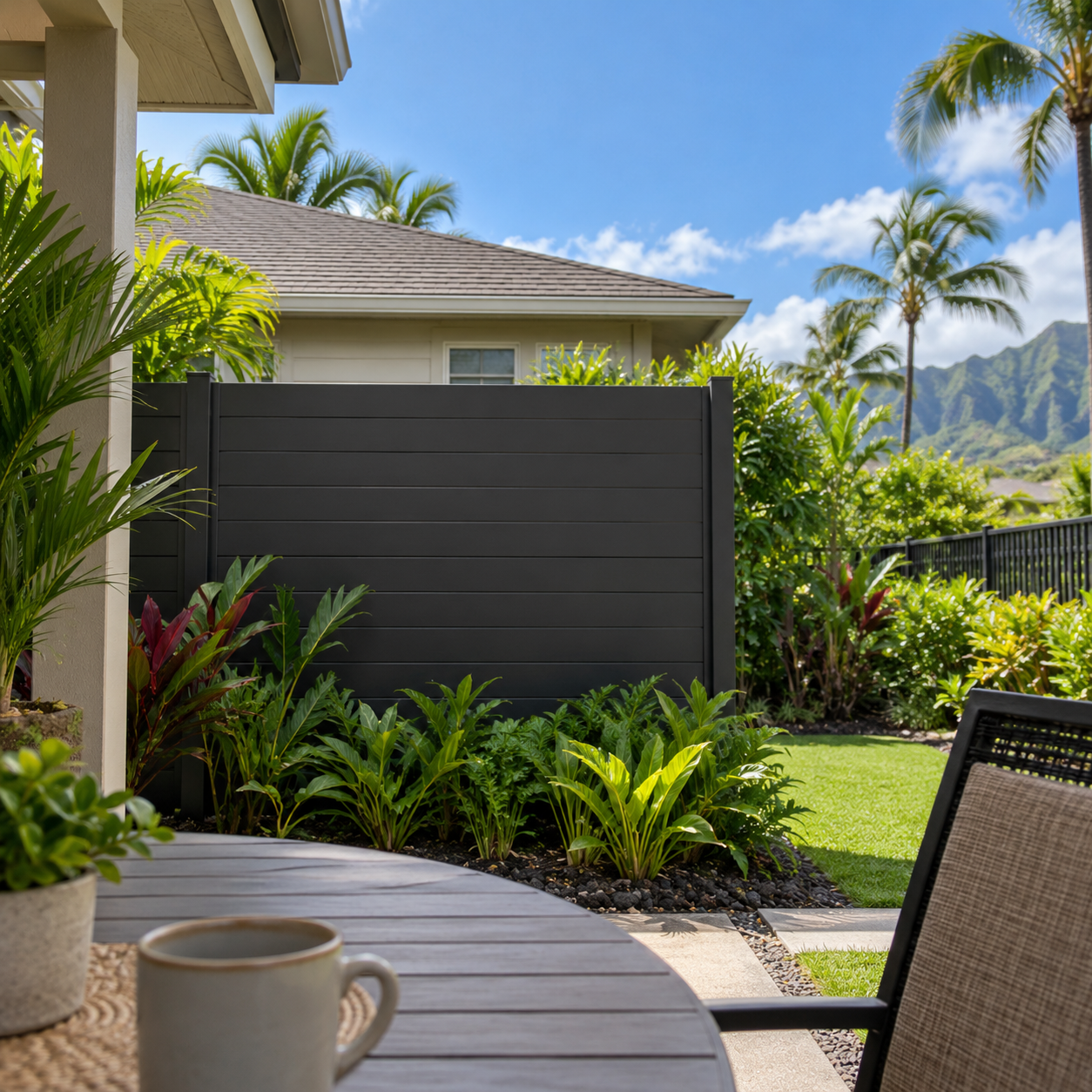
enjoy. Mark the dining area, doors, paths, and any place where furniture could move. Sometimes rotating a seating arrangement or shifting a table away from a gate opening reduces the amount of screening needed.
For example, if one neighboring window faces your outdoor table, a short screen beside that seating area may address the problem without closing the entire boundary. This is a layout option to test, not a guarantee. Its effectiveness depends on the screen’s height, width, distance, and viewing angle.
Give Different Edges Different Jobs
Divide the yard into areas that need full screening, partial screening, or an open view.
- Full screening suits a specific seating area facing a direct, unwanted sightline.
- Partial screening can soften views along a walkway or between garden spaces where complete concealment is unnecessary.
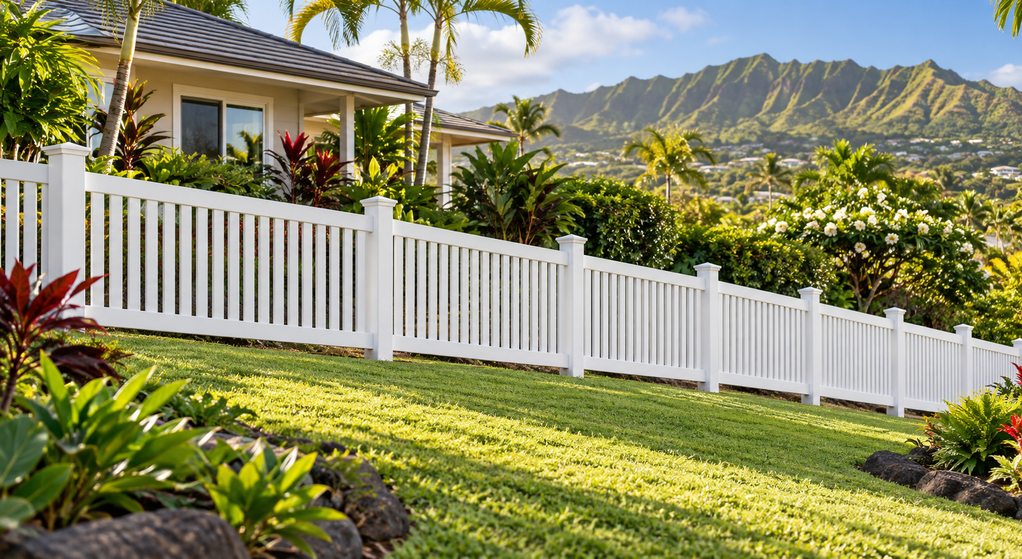
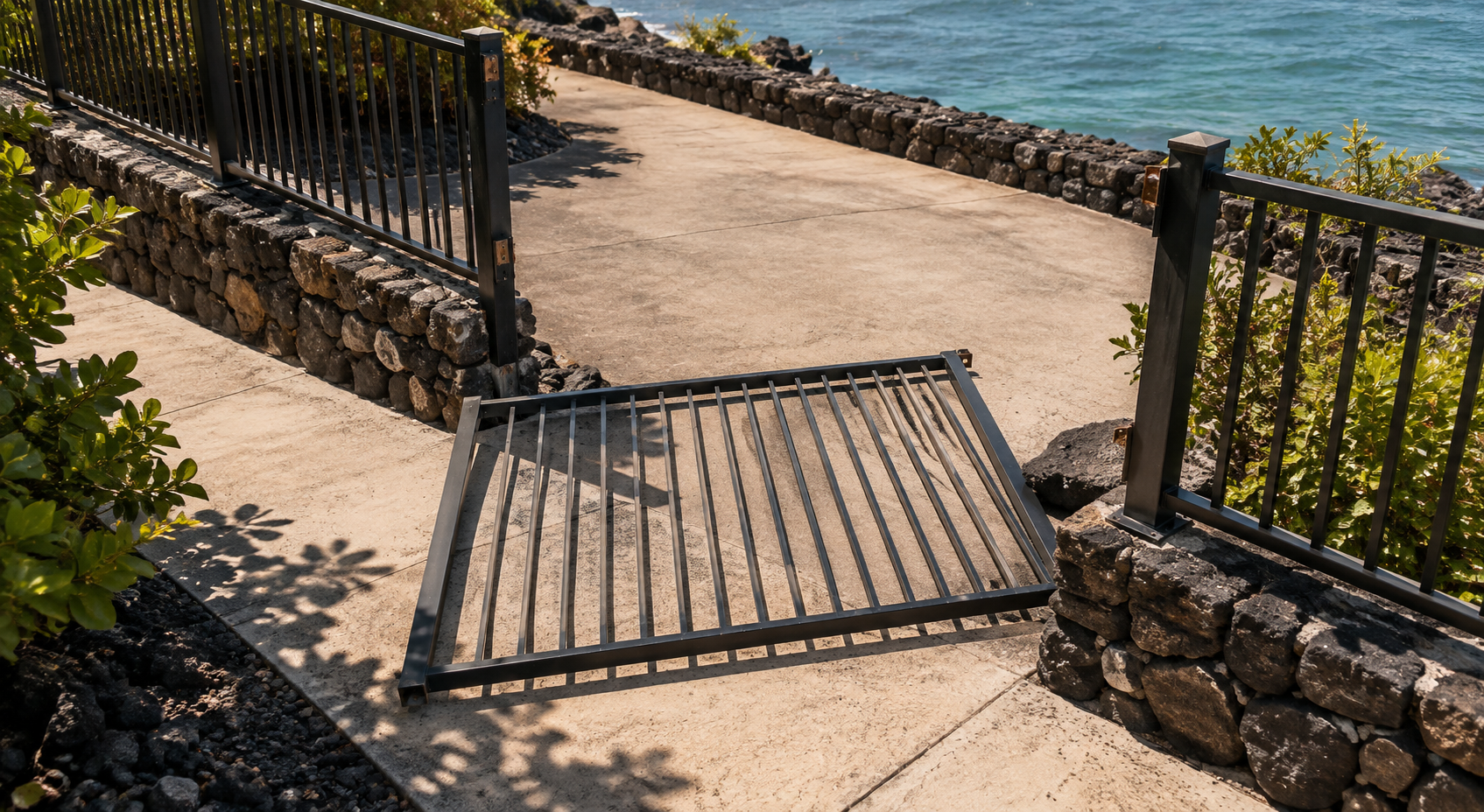
- Open fencing can define an edge while preserving a view beyond the property.
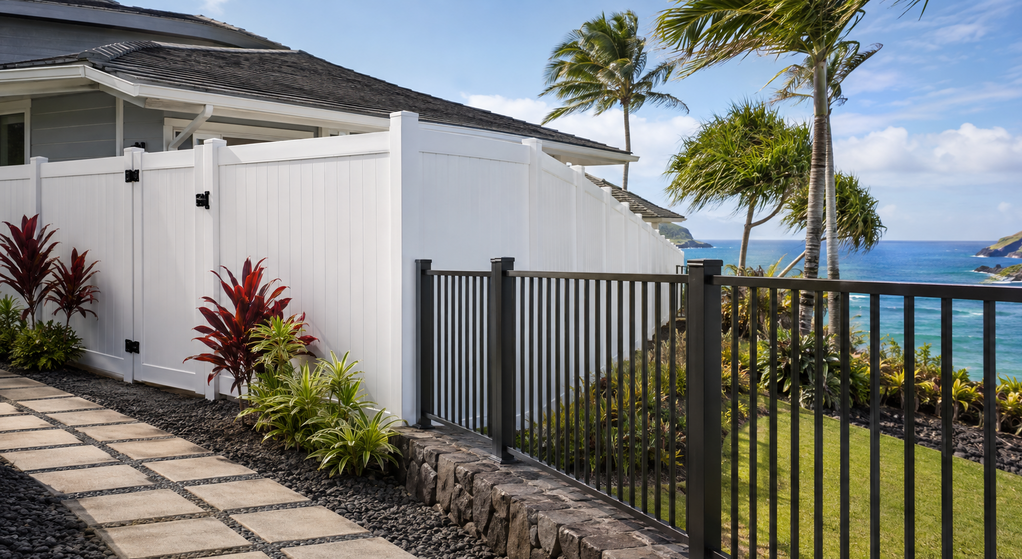
Using the same color and similar framing across these sections can help the fence feel cohesive even when the infill changes. Avoid adding multiple unrelated panel patterns to a small yard, where each transition can become visually distracting.
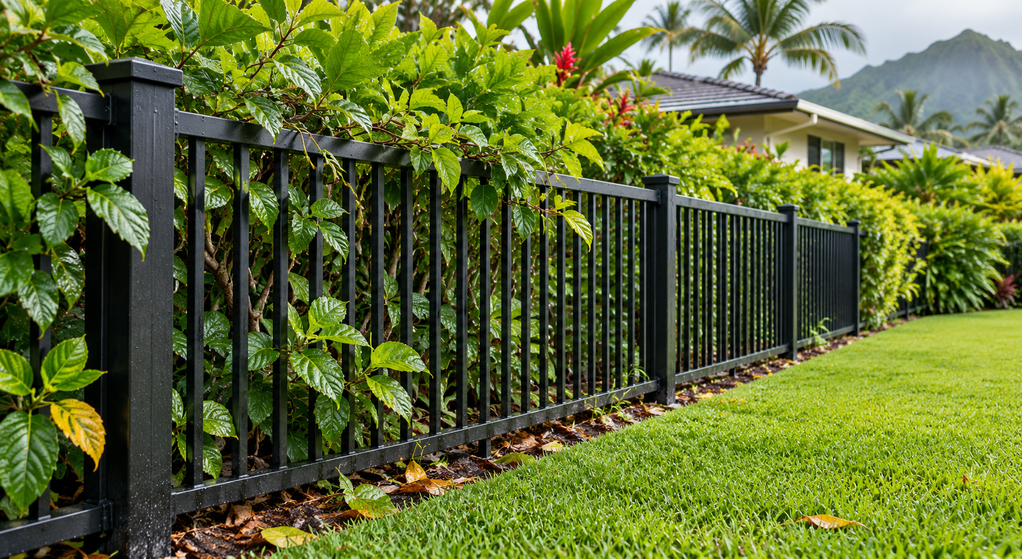
Open pickets provide little visual privacy on their own. Louvers and spaced slats also need careful evaluation. A panel that looks private straight ahead may reveal the seating area from a diagonal approach. Ask to see a sample from the actual viewing directions before choosing it.
Add Planting Depth Without Losing Usable Space
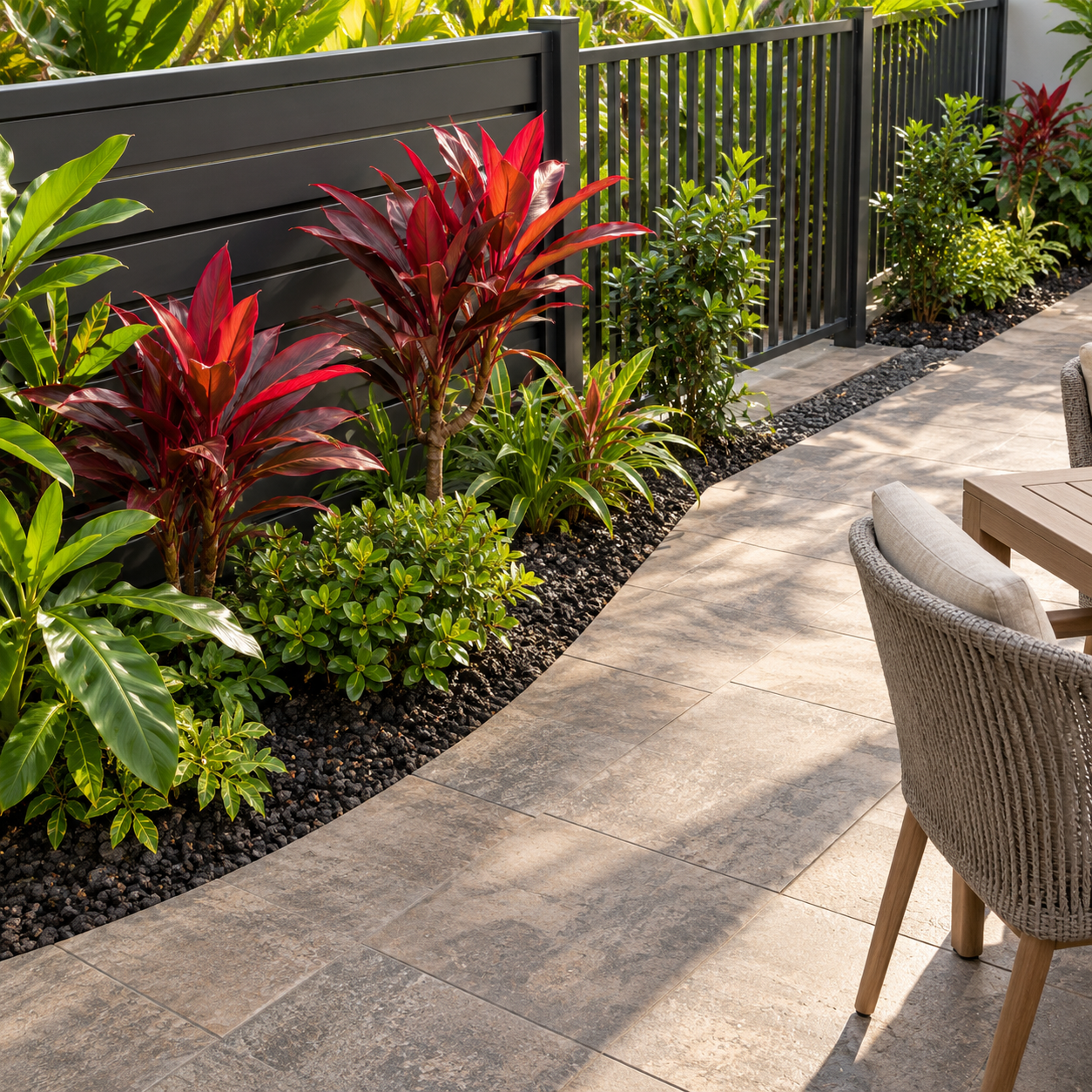
Plants can soften a screen’s edges and break up a long fence line. A small group beside the exposed seating area may be more useful than a continuous hedge surrounding the yard.
The guide to the benefits of landscaping around fencing in Hawaii explores ways to visually connect fencing with the garden.
Before selecting plants, mark their expected mature width on your sketch. In a narrow yard, a broad hedge can take away the space needed to pull out chairs, walk comfortably, or maintain the fence. Choose plants for the site’s sunlight, water availability, and exposure rather than buying solely for immediate height.
Also distinguish between privacy available now and privacy expected after growth. Young plants leave gaps. A limited permanent screen can cover the immediate need while surrounding planting develops. Keep enough access to prune and inspect both sides without depending on entry to a neighbor’s property.
Preserve the Breeze You Actually Use
On an Oahu lanai, consider how enclosure will affect the air movement you enjoy. Observe the seating area at different times instead of assuming every part of the yard receives the same breeze.
Colorado State University Extension’s guidance on landscaping and wind protection is written for landscape windbreak planning, but its comparison of barrier types is useful here: solid fencing creates stronger shelter immediately behind it, while a more open pattern changes the protected area differently. The practical implication is that changing a boundary’s openness can also change conditions around the seating area.
Keep useful airflow routes in mind when positioning screens. A narrow panel placed across an unwanted sightline may be preferable to wrapping three sides of a small patio in solid material. However, gaps or louvers do not guarantee a particular airflow rate. Review the proposed configuration and support requirements with the installer, especially before attaching new screening to an existing fence.
Check What Happens at the Gate
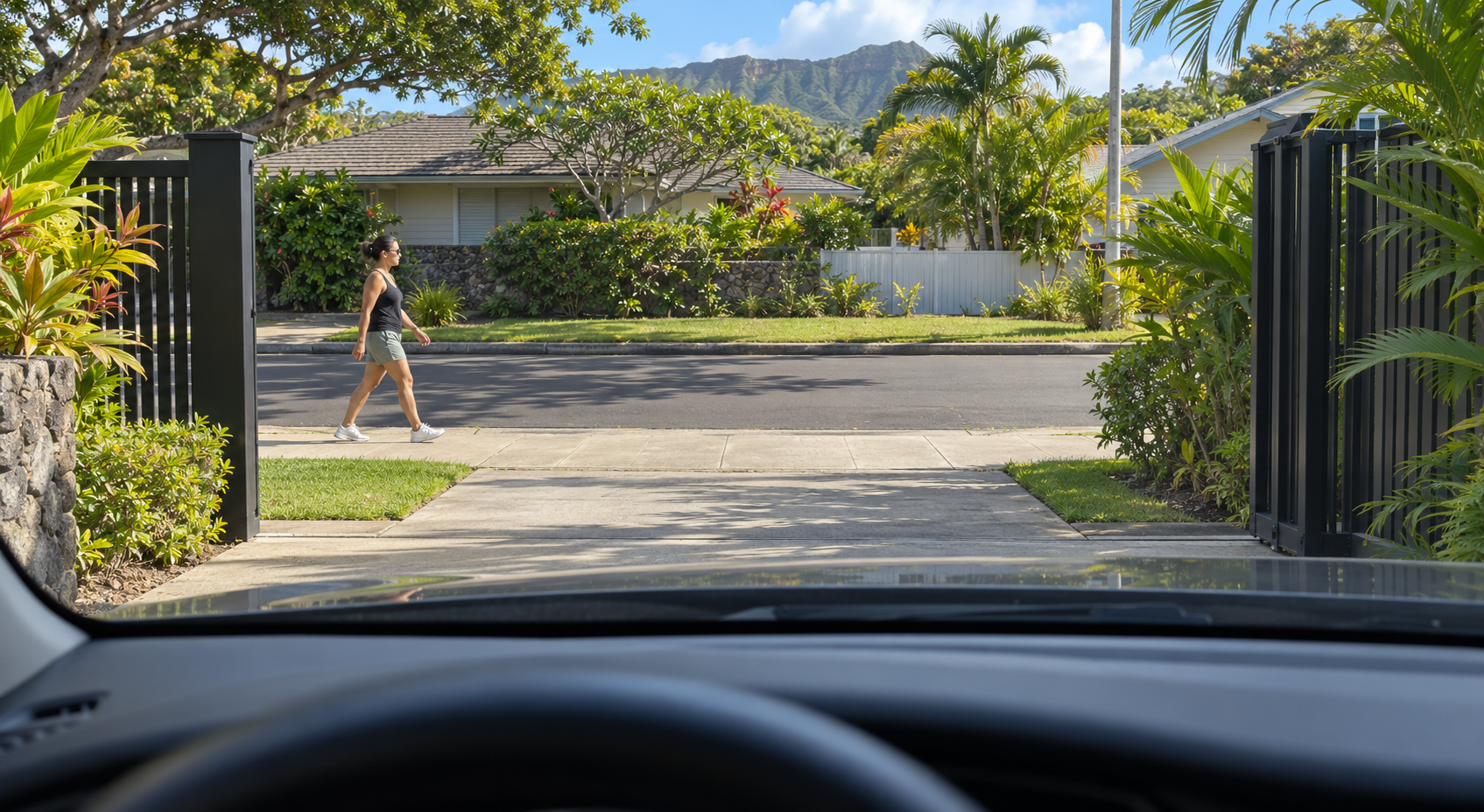
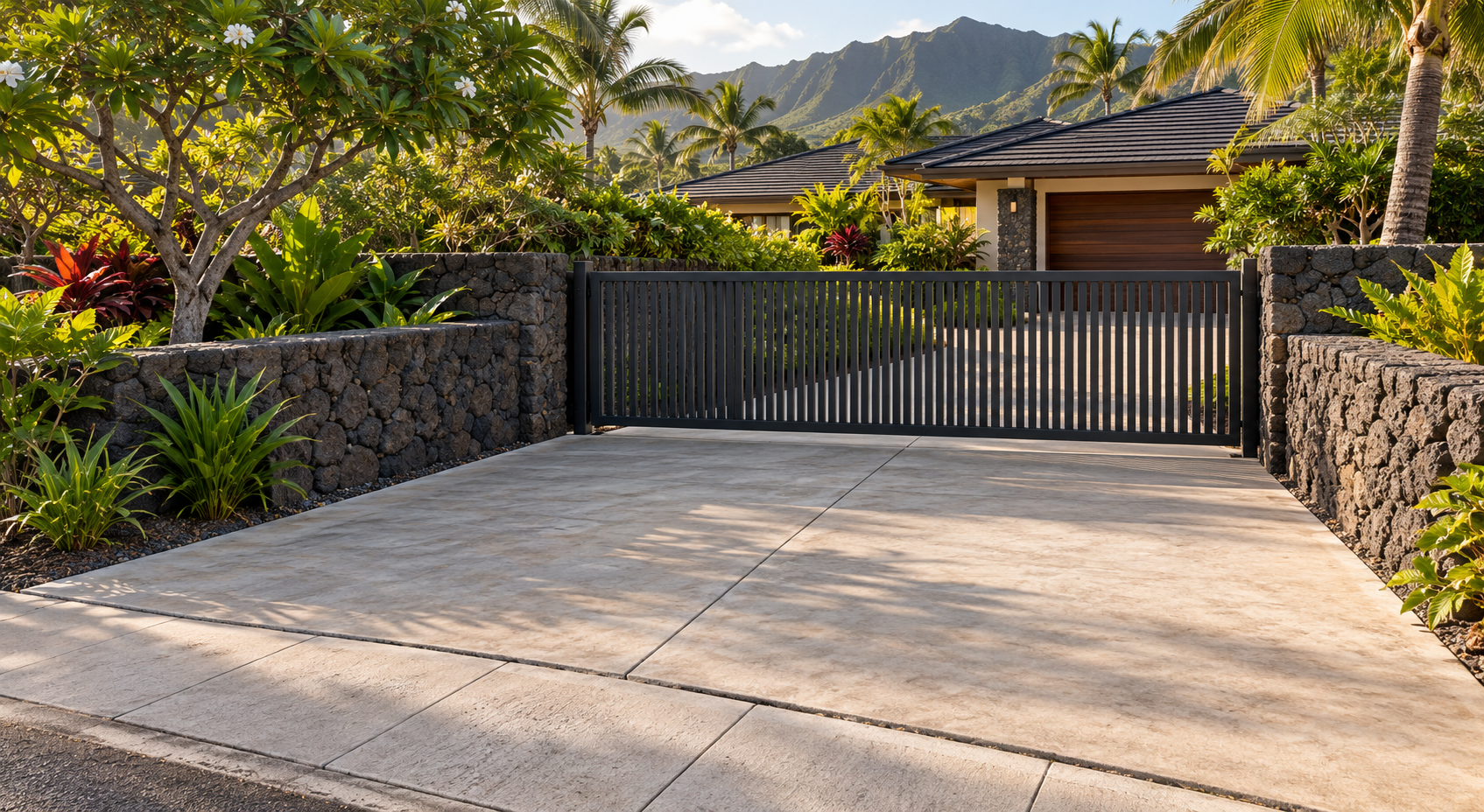
A gate can leave a direct view into an otherwise screened seating area. Check the approach from the sidewalk and the view when the gate is both closed and open.
For entrance-specific planning, gate installation tips for maximizing privacy in dense Oahu neighborhoods address sightlines and everyday access.
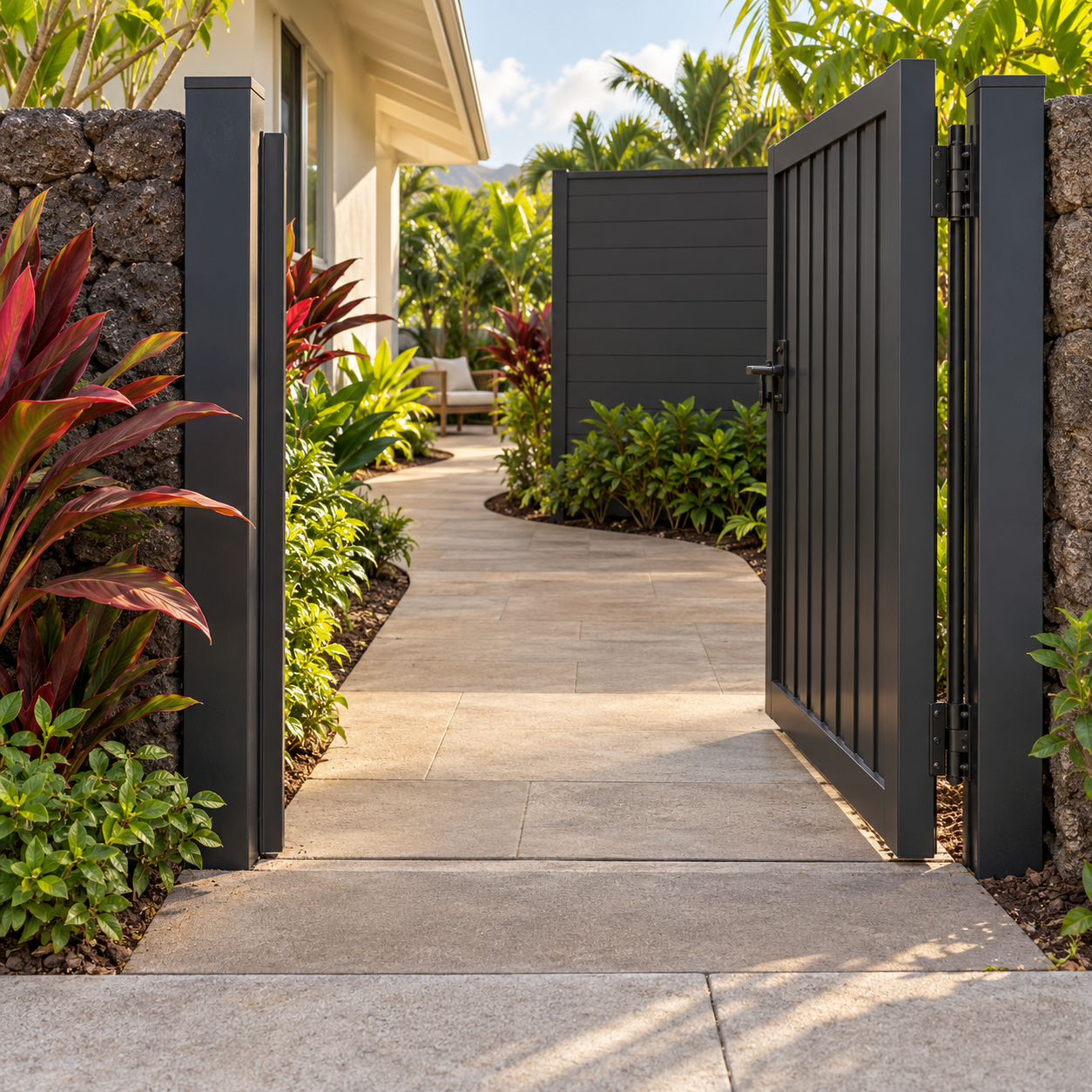
If the gate faces your table, test whether moving the table or adding a short interior screen would help. Leave room for the gate’s full movement, carrying groceries, and bringing yard equipment through. Screening that makes access awkward can become a daily frustration.
Test the Smallest Layout That Solves the Problem
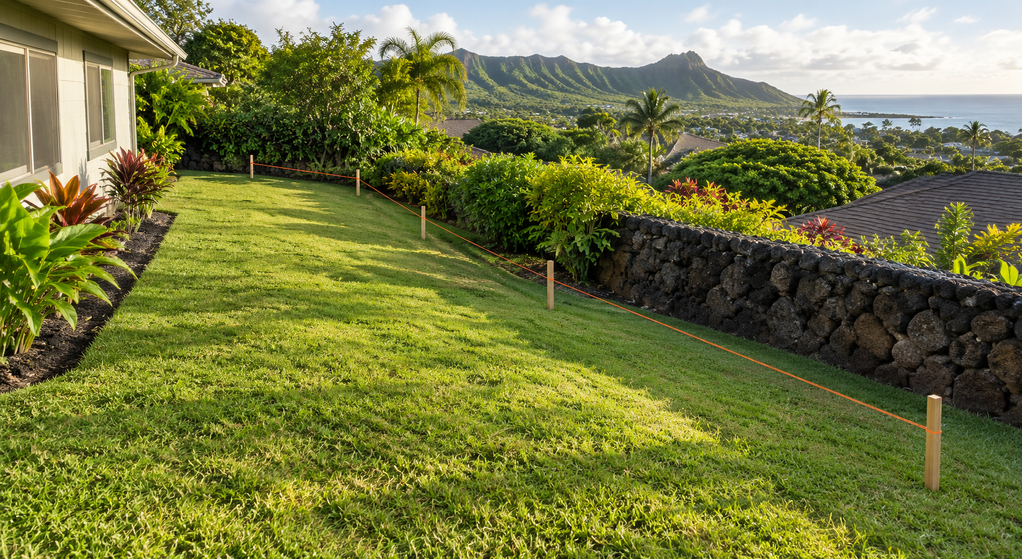
Before committing, mark proposed screen locations and widths on the ground. Use a handheld height reference in calm conditions to compare seated and standing views. Check from inside the house too, since a panel that feels comfortable outdoors may dominate a window view.
Repeat the sightline check after dark with your usual lighting switched on. Slatted panels may reveal more than expected when the occupied area behind them is brightly lit.
Bring the resulting sketch and photos to the design discussion. A successful plan protects the places where privacy matters while leaving room for open sky, comfortable movement, and the views that make the yard enjoyable.

written by
Kurt Manalastas
Property Security & Exterior Improvement Journalist
Kurt creates research-based content focused on fencing solutions, property security, and outdoor boundary improvements. By combining industry best practices, material insights, and practical property protection strategies, he helps homeowners and business owners make informed decisions about building safer, more secure, and visually appealing outdoor spaces.