Gate Installation Tips for Maximizing Privacy in Dense Oahu Neighborhoods
Quick Take:
Maximizing privacy in dense Oahu neighborhoods requires more than taller gates. It involves managing sightlines, choosing durable materials, and ensuring proper footing and alignment to prevent gaps over time. Smart designs balance privacy with wind resistance and usability, creating a long-lasting solution that fits local conditions and daily living patterns.
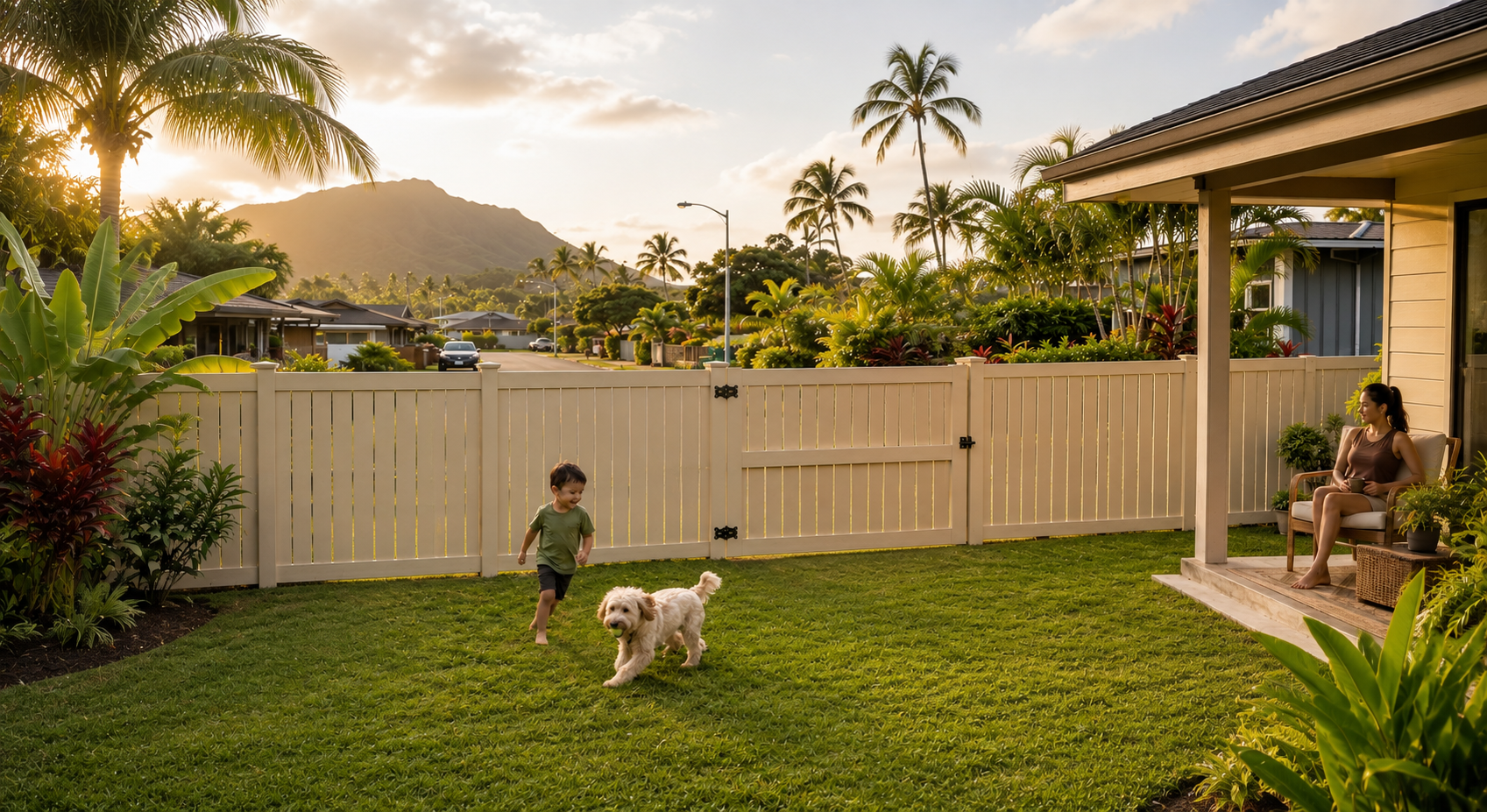
Living in a dense Oahu neighborhood comes with tradeoffs. You get proximity to beaches, schools, and community life, but you also sacrifice privacy. Homes are close together, lots are narrow, and sightlines between properties are often unavoidable. A well-installed gate can dramatically improve privacy, but only if it is designed and installed with local conditions in mind.
Start With Sightlines
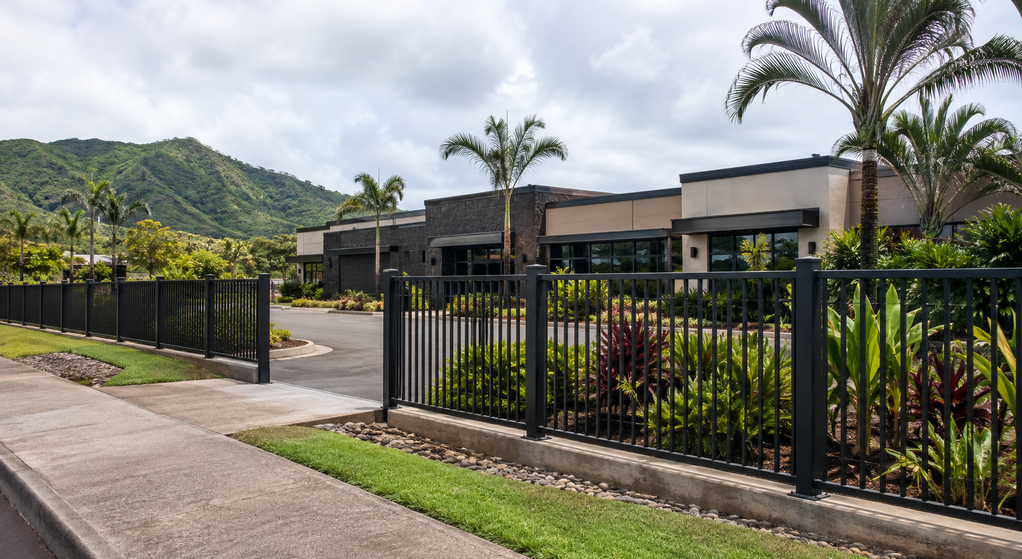
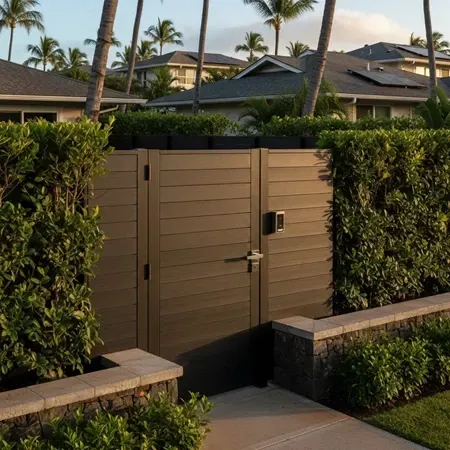
In compact neighborhoods like Kalihi, Waipahu, or parts of Pearl City, privacy is more about blocking angles than building tall barriers. Many homeowners assume privacy equals height. That assumption leads to mistakes. A six-foot gate may still allow direct sightlines if neighboring homes sit higher or if driveways align directly with yours.
Before choosing a gate design, stand at street level, at neighboring yard height, and from inside your own property. Identify exactly where visual exposure occurs. According to gate installation services in Oahu, Hawaii, a slightly angled gate, a solid infill pattern, or staggered slats can outperform a taller but poorly oriented design.
This matters because Honolulu building codes regulate fence and gate height, especially along street-facing boundaries. Honolulu Department of Planning and Permitting guidelines outline these limits clearly and should be reviewed early in the process.
Choose Materials That Hold Their Shape
Privacy gates fail when they warp, sag, or separate. Oahu’s humidity, salt air, and rainfall accelerate these problems.
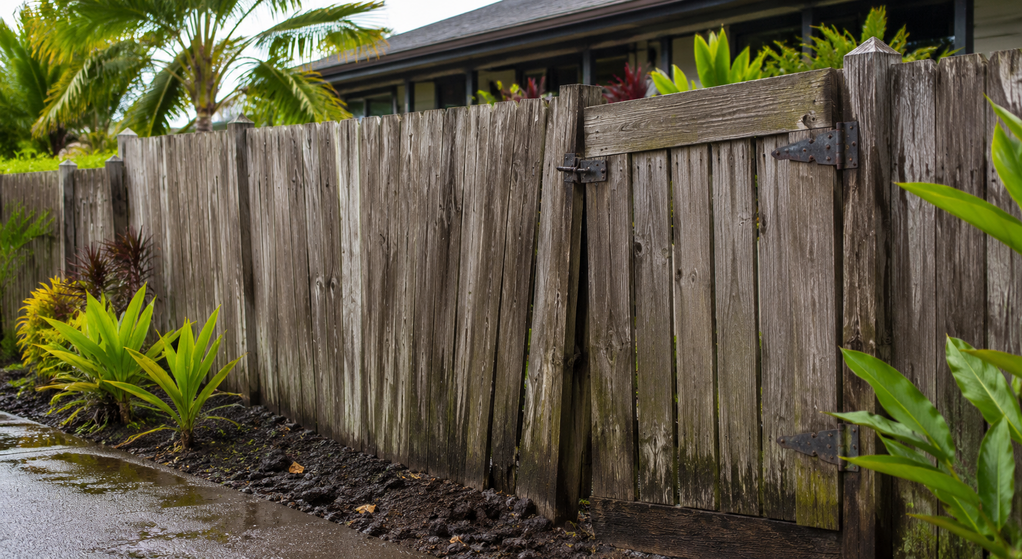
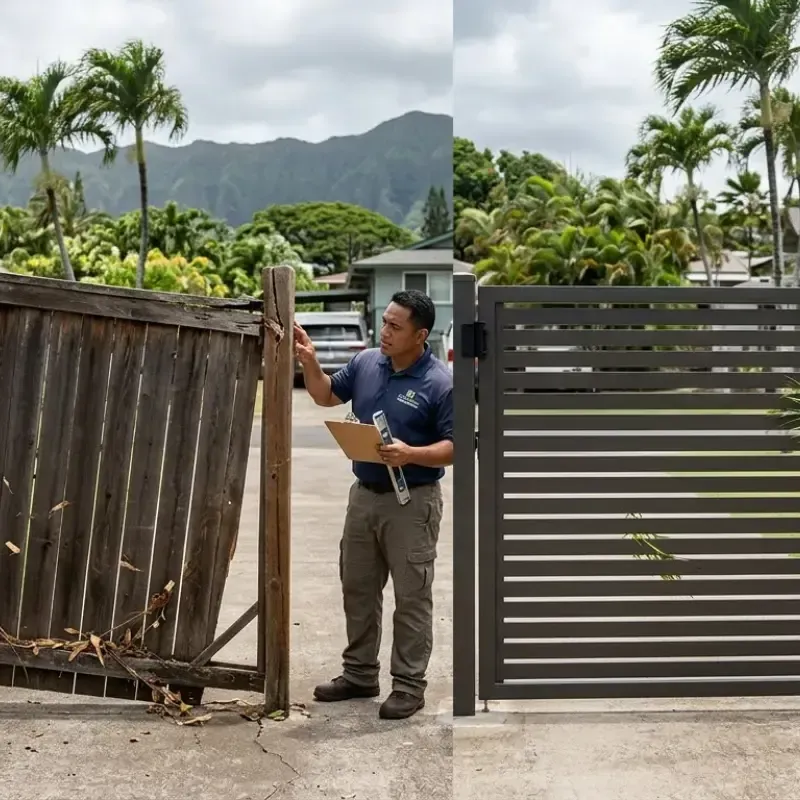
Wood gates often look private on day one but quickly develop gaps due to expansion and contraction. Chain link offers little visual protection unless heavily modified. In dense neighborhoods where privacy is the goal, materials that maintain consistent alignment matter more than initial appearance.
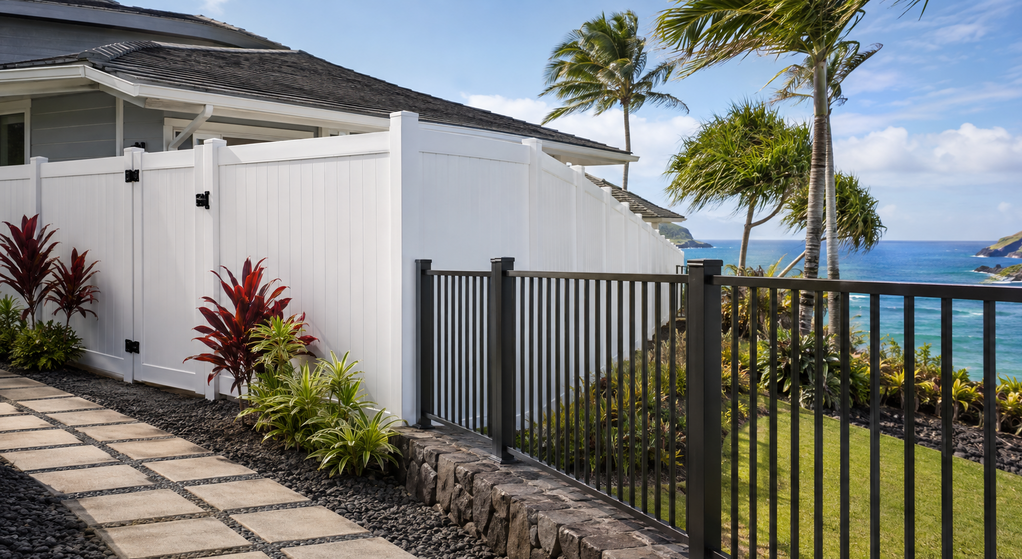
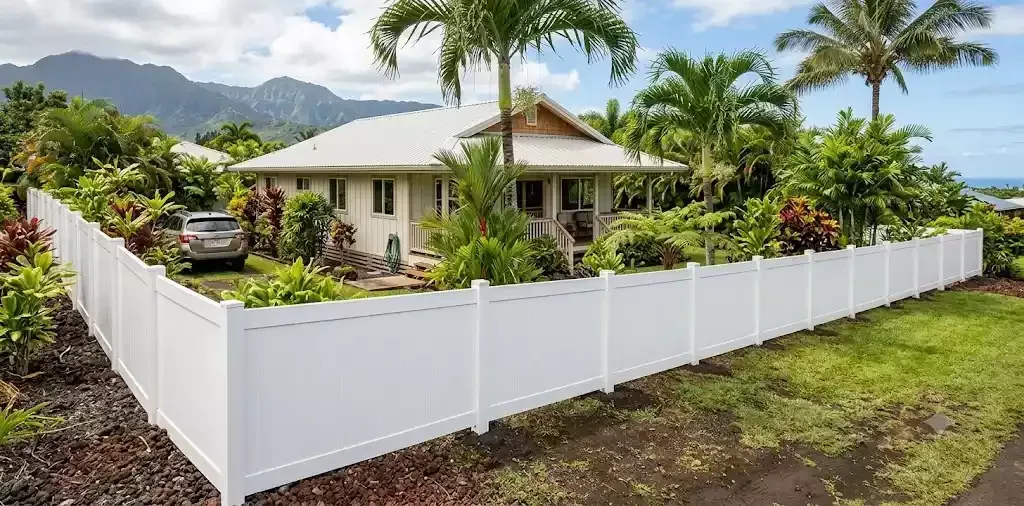
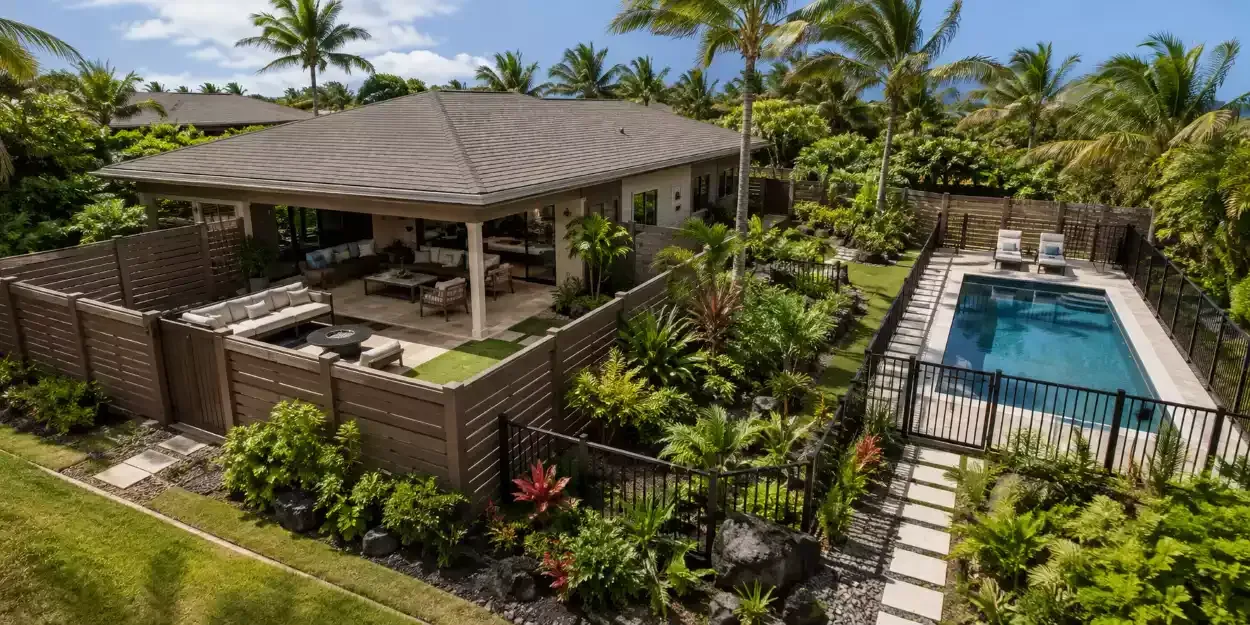
Vinyl and properly reinforced metal frames tend to perform better long term. They resist moisture absorption and maintain panel spacing, which prevents new sightlines from forming over time. Ignoring this reality almost guarantees reduced privacy within a few years.
| Gate Material | Privacy Performance | Durability in Oahu Climate | Maintenance Level |
|---|---|---|---|
| Wood | Good initially but gaps may form | Low–Moderate due to humidity and expansion | High |
| Chain Link | Low unless modified | High structural durability | Low |
| Vinyl | High with solid panels | High resistance to moisture and salt air | Low |
| Reinforced Metal | High with proper infill | Very high in coastal conditions | Low–Moderate |
Footings Are the Hidden Privacy Factor
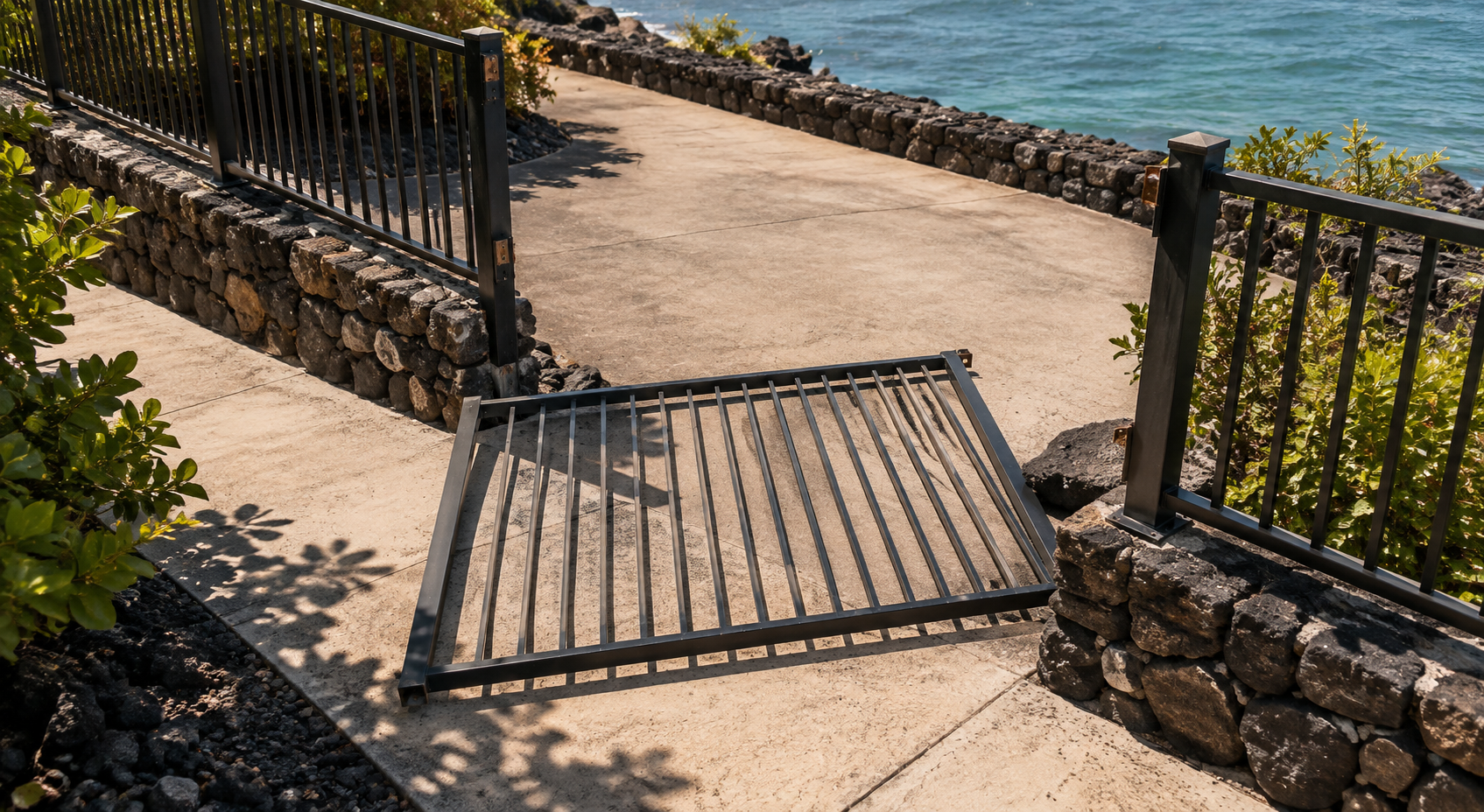
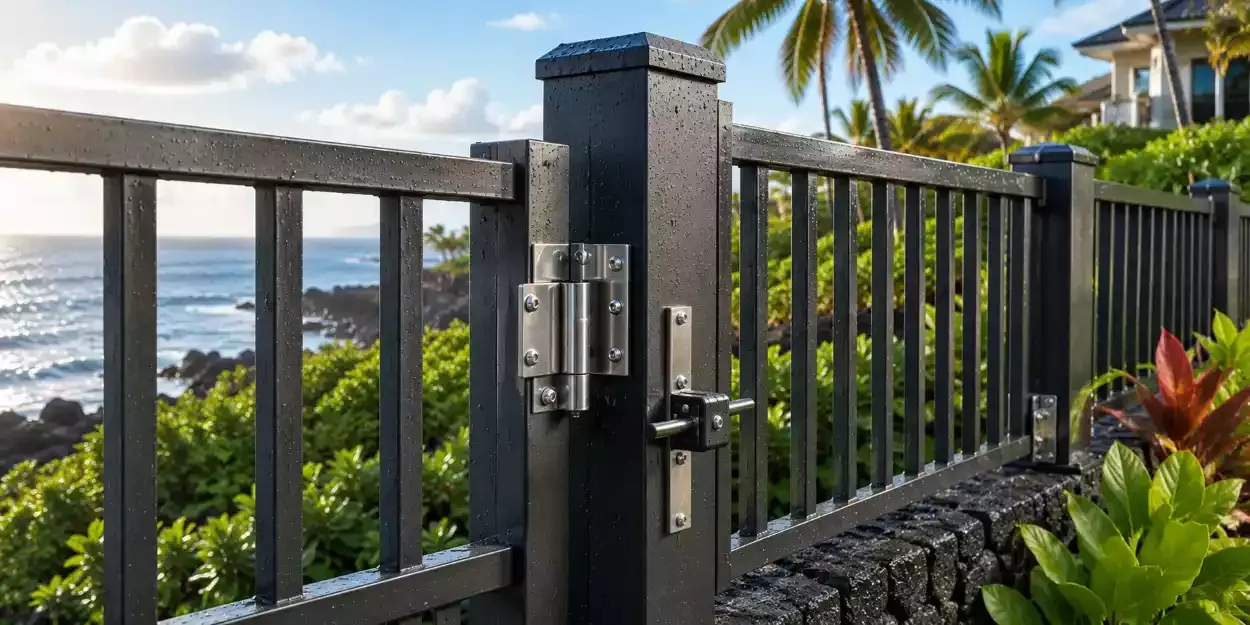
Gate posts are the most overlooked part of privacy design. In dense neighborhoods, gates are opened and closed dozens of times per day. If posts shift even slightly, panels stop aligning. Small gaps become permanent lines of sight.
Based on experience installing gates across different Oahu soil types, shallow or undersized footings are the number one reason privacy gates fail early. Areas with fill soil, older subdivisions, or nearby drainage channels require deeper and wider concrete footings.
This is where combining masonry and fencing knowledge matters. Proper footing depth, correct rebar placement, and alignment during curing determine whether your gate stays private five years from now or becomes an eyesore.
Solid Panels Are Not Always the Best Choice
Many homeowners want fully solid gates to block all views. In dense areas, that can backfire.
Solid panels catch wind. Oahu’s trade winds create lateral pressure that stresses hinges and posts. Over time, this leads to sagging or misalignment, which reintroduces visibility gaps.
A smarter approach that our professional gate installers recommend is controlled permeability. Semi-solid designs with narrow spacing or overlapping slats reduce wind load while maintaining privacy. You still block direct views, but you avoid structural stress that shortens lifespan.
This tradeoff is often ignored, yet it directly affects how long your privacy solution actually works.
Do Not Ignore Gate Swing and Clearance
In tight lots, swing direction matters more than people expect. A gate that swings inward may block walkways or parking space. A gate that swings outward may violate setback rules or create street interference. Sliding gates can solve these issues but require precise track installation and drainage planning.
Poor clearance planning leads to homeowners leaving gates partially open out of convenience. At that point, privacy is lost regardless of height or material.
Plan gate movement around daily use patterns. Where do people walk. Where do cars park. Where does trash get set out. Privacy only works if the gate is easy to use consistently.
Design for Visual Continuity
Privacy fails when the gate does not match the fence. We have seen many properties where a solid fence ends at a decorative or semi-open gate. That single weak point defeats the entire system.
In dense Oahu neighborhoods, neighbors naturally look toward entrances. The gate is the focal point. Its design should visually continue the fence line without interruption.
Consistency in panel spacing, height, and opacity matters more than ornamental details. A simple, uniform design almost always provides better privacy than a mixed-style installation.
To get a clearer overview of the designs, learn more about Modern Gate Designs That Elevate the Look of Oahu Homes.

Common Mistakes to Avoid
Several privacy mistakes appear repeatedly across residential installations:
- Choosing aesthetics before function
- Underestimating wind load on solid panels
- Installing posts without proper footing depth
- Ignoring slope and grade changes
- Failing to check local height and setback rules
Each of these mistakes creates long-term privacy loss, not just cosmetic issues. Privacy is directly tied to structural integrity, not decoration. To learn more, explore Choosing the Right Gate Material for Oahu’s Weather Conditions.
Why Oahu Requires Different Thinking
Privacy solutions that work on the mainland often fail in Hawaii. Lot sizes are smaller, zoning rules are stricter, and environmental exposure is more intense.
Dense neighborhoods amplify every design flaw. You cannot hide mistakes behind large yards or wide setbacks. That is why location-specific planning matters.
A gate that works in a suburban mainland development may feel intrusive, fragile, or noncompliant in Honolulu or Central Oahu.
Clear Takeaway
Maximizing privacy in dense Oahu neighborhoods is about understanding sightlines, material behavior, footing strength, wind forces, and daily use patterns.
When these factors are addressed together, privacy improves naturally and lasts longer.

Next Step for Homeowners
Before selecting a gate style, walk your property and map visibility from multiple angles. Review local code limits. Choose materials designed for island conditions. Most importantly, prioritize structural planning over surface appearance.