How Proper Installation Extends the Life of Vinyl Fences in Humid Conditions
What Makes It Last: Proper installation is what allows vinyl fences to truly perform in humid conditions, ensuring stability despite shifting soil, moisture, and environmental stress. Deep footings, precise alignment, correct spacing, and effective drainage all work together to prevent leaning, cracking, and early failure, extending the fence’s lifespan for decades.
Humidity does not ruin vinyl as quickly as it ruins wood, but it does affect the surrounding structure. Soil expands and contracts more aggressively, hardware corrodes faster, and constant moisture can weaken the stability of posts that were not set deeply enough. A vinyl fence might be marketed as “weatherproof,” but without proper construction practices, the fence is forced to fight conditions it was never meant to handle on its own. Proper installation transforms vinyl from a basic product into a long-term investment.

The Groundwork Determines Everything
People often focus on clean panels and color options while forgetting that vinyl is only as strong as the posts beneath it. In high humidity, the soil tends to stay damp for long periods. This makes the ground softer, which gradually causes posts to shift unless they were installed with enough depth, concrete, and structural support.
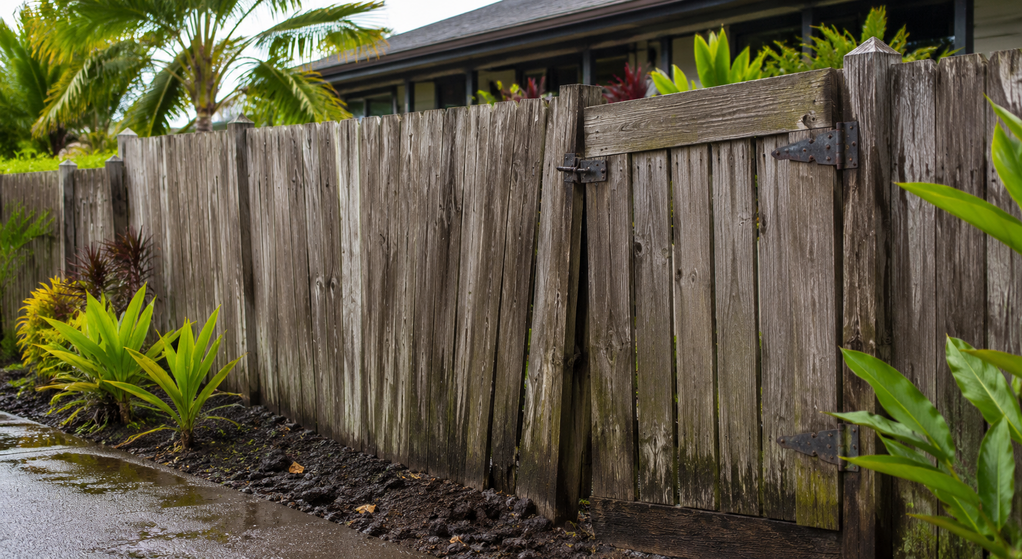
Shifting soil eventually creates leaning sections, uneven gates, and stress on the connecting rails.
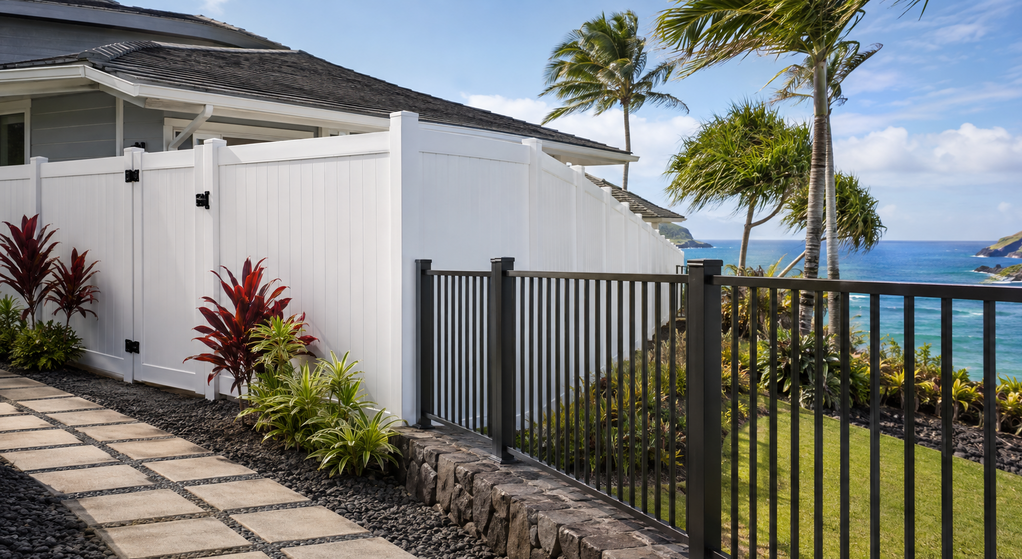
Vinyl fencing services in Hawaii who understand humid conditions treat the footing stage as the most critical part of the job. They use deeper holes, the correct concrete mix for wet terrain, and proper drainage techniques. When posts are anchored correctly, the fence automatically becomes more resistant to the constant changes in the surrounding soil.
Alignment Prevents Long-Term Stress
Vinyl panels and rails must be aligned with care to avoid unnecessary pressure on the structure. In humid climates, materials expand slightly because of moisture in the air. Installers who account for this expansion leave the correct spacing inside the rail brackets. Our fence installers emphasize this detail to prevent structural stress. If the spacing is ignored, the panels push against their fittings and create tension that grows over time. Eventually, this tension leads to cracks or posts being pulled to one side.
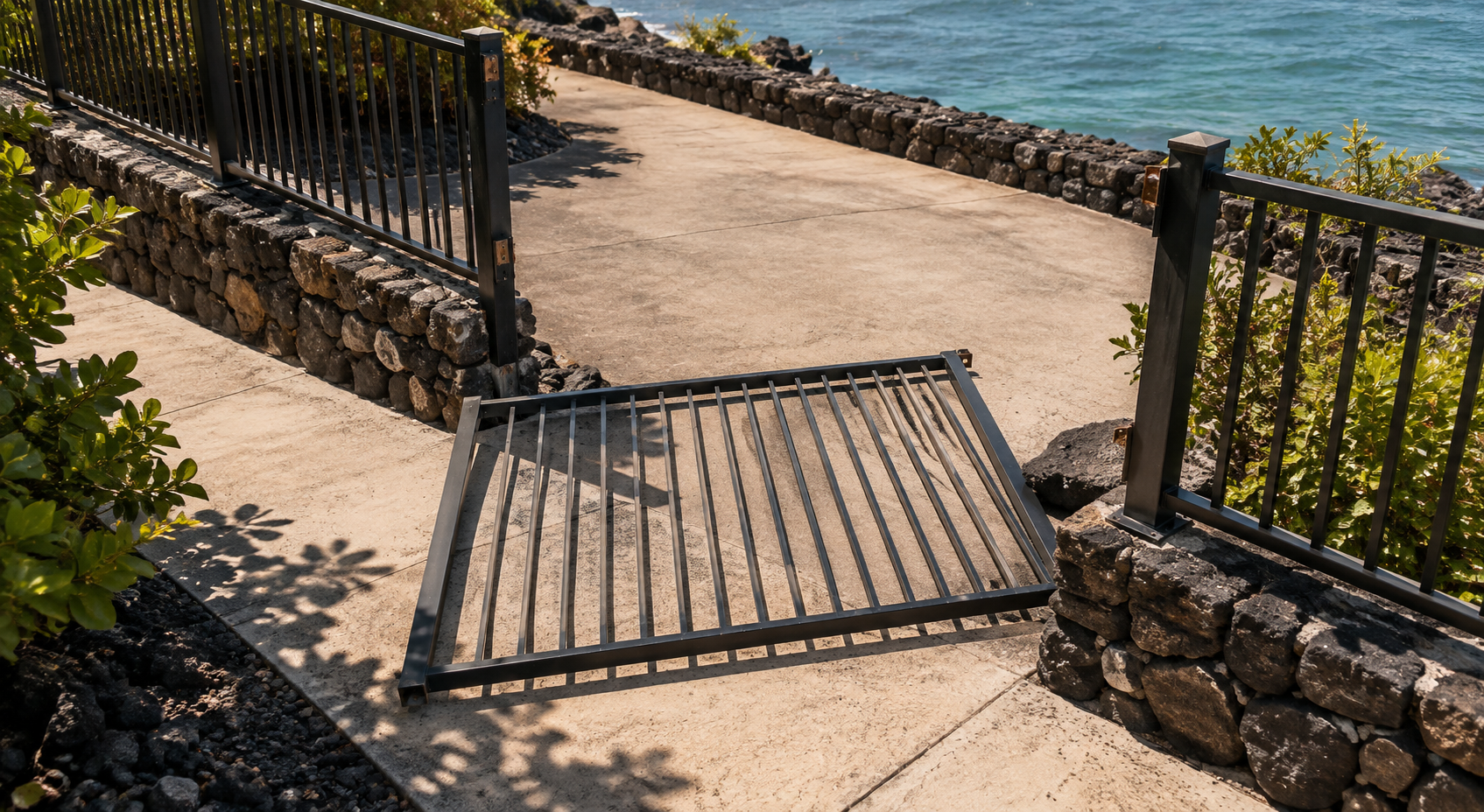
Precise alignment also affects gates, which are the first components to fail when improperly installed. A gate that was hung without attention to weight distribution will sag quickly in damp conditions. Moisture softens the surrounding ground, which makes every pound of weight matter more. Proper installation distributes the stress evenly so the gate remains stable even as the soil changes throughout the seasons. Alignment may look like a small detail from the outside, but in humid environments it is a major factor that determines overall lifespan.
Ventilation and Drainage Increase Durability
Humidity traps water around every structure. This is especially true in enclosed fencing systems where rainwater can collect near the posts. Without proper drainage, the moisture encourages soil erosion and weakens the footing. Installers shape the surrounding ground so water flows away from the base of each post. They also leave enough spacing at the bottom of certain fence styles so air can circulate and help the ground dry faster after heavy rainfall.
Some ignore this step because vinyl itself does not rot. The problem is not the material. The problem is the environment created around the fence. When moisture stays trapped near the base, the ground loses stability and the concrete footing becomes stressed. Installation that includes proper grading and drainage prevents long-term problems by keeping the environment around the fence healthy. This extends the life of the structure far more effectively than any cleaning routine.
When fences and masonry work together, structures gain strength and durability. Discover how combining masonry and fencing expertise creates stronger, longer-lasting structures for reliable, long-term results.
Correct Hardware Makes a Big Difference
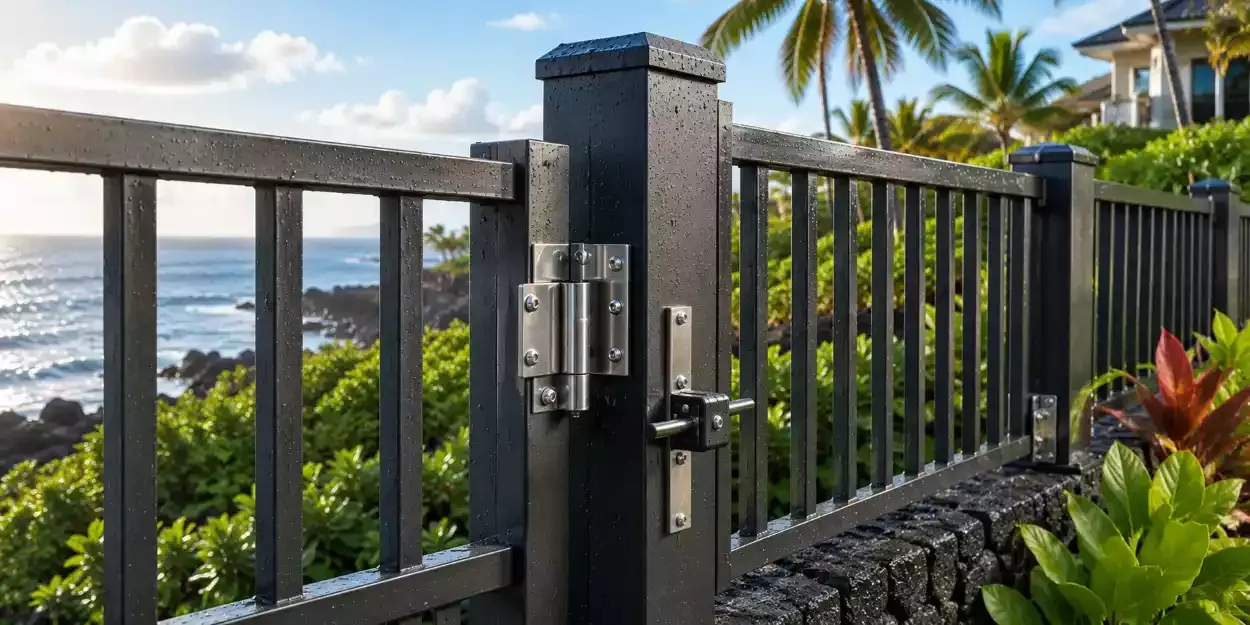
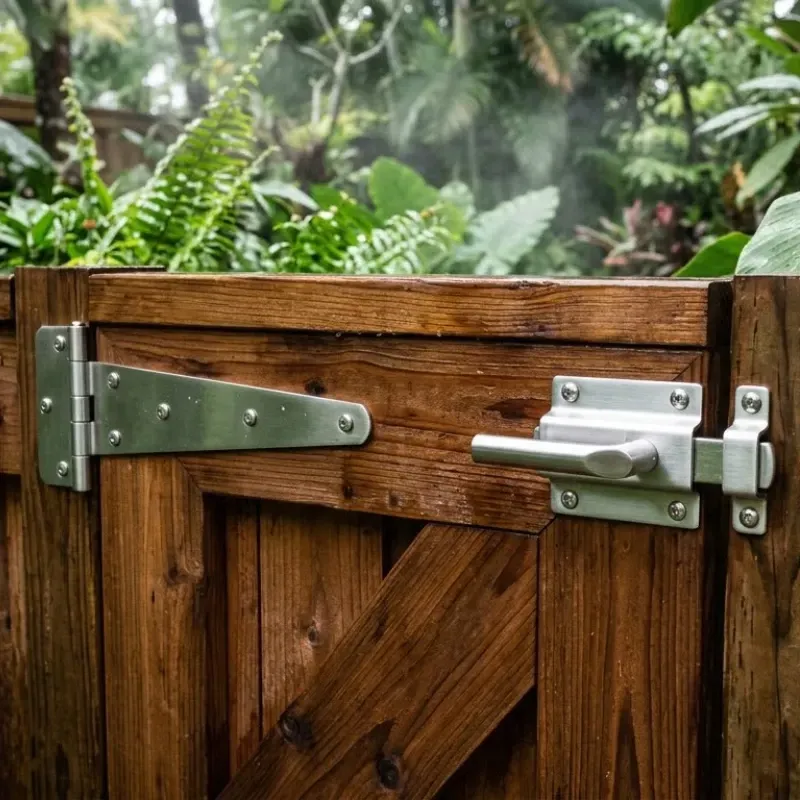
Hardware is often viewed as unimportant because most of it is hidden behind the vinyl components. In humid climates that assumption leads to short-term failure. Hinges, latches, brackets, and screws face constant moisture exposure that can lead to corrosion.
Once corrosion begins, the hardware loses strength, and the fence starts to move in ways it was not designed to move. This movement stresses the posts and panels until breakage occurs.
Proper installation ensures that all hardware is rated for humid conditions. Galvanized and stainless steel components hold up significantly better in moisture-heavy environments. Installers with experience in tropical climates choose hardware that matches the level of humidity, not the minimum standard of the manufacturer. This choice directly affects the lifespan of gates and high-stress areas on the fence.
Learn how to fix a leaning or damaged fence without a full replacement to correct problems before they escalate.
The Role of Climate Knowledge
Installation in humid conditions requires more than basic building knowledge. It demands an understanding of how local soil behaves, how weather patterns shift, and how moisture affects both footing and alignment. Professionals with experience in wet climates recognize that vinyl is forgiving, but the environment is not. They design the installation around the weather rather than forcing a standard approach onto a climate that behaves differently.
Years of working in high humidity conditions teach installers which techniques consistently prevent failure. Deep footing, correct bracing, spacing adjustments for expansion, and drainage solutions are not optional steps. They are proven strategies that protect the fence from the challenges of moisture-heavy climates. Homeowners often see these steps as extra, but experienced installers view them as essential.
Proper Installation Extends the Fence’s Life
A vinyl fence can last many years in humid climates if the installation is handled with precision. Homeowners who prioritize quality installation see fewer repairs, fewer leaning sections, and a structure that stays reliable for the long term. Humidity does not have to shorten the lifespan of vinyl fencing. With proper installation techniques based on experience and knowledge of the climate, vinyl fences can remain strong and stable for decades.