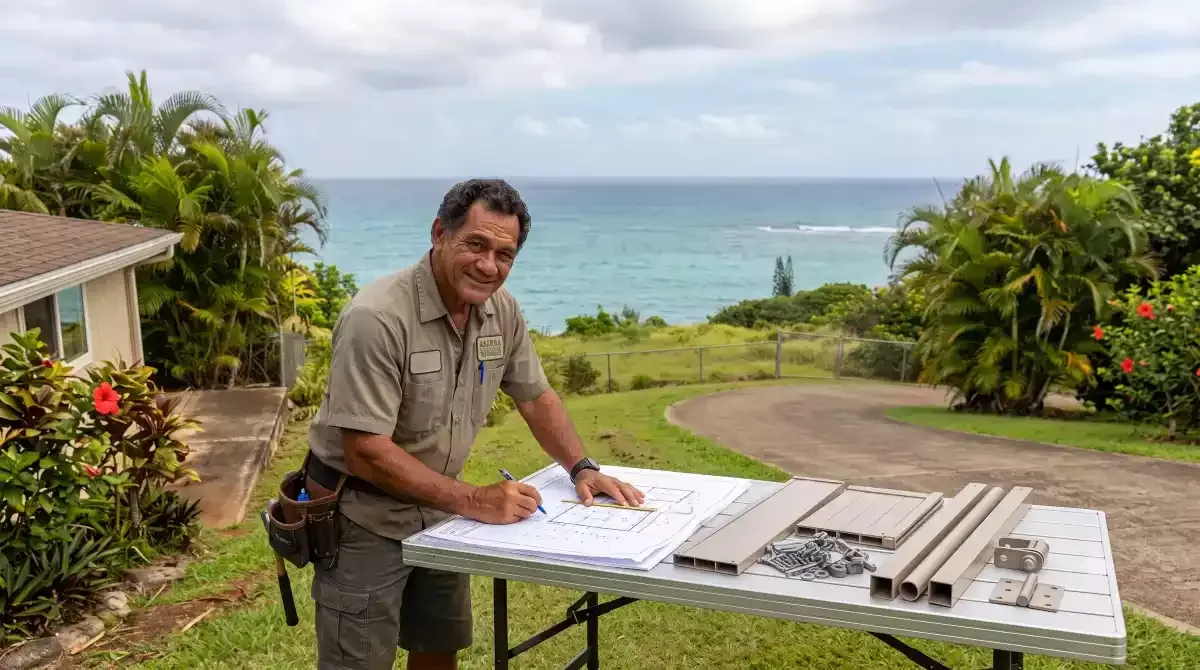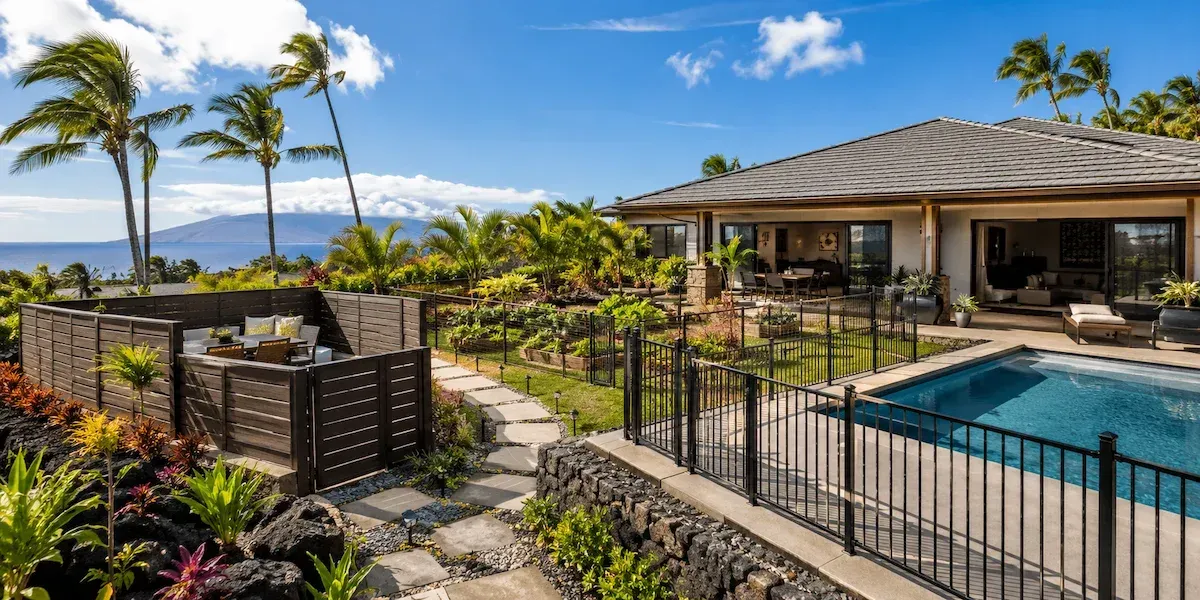
How Combining Masonry and Fencing Expertise Creates Stronger, Longer-Lasting Structures
What Most Buyers Miss:
Combining masonry and fencing expertise creates stronger, longer-lasting structures by aligning foundation work, materials, and design into one cohesive system. This integrated approach reduces common issues like leaning posts and cracking walls while improving durability, lowering maintenance, and delivering more reliable performance in demanding environments.
Fencing and masonry seem to be two separate trades. You call a fence builder for barriers and a mason for rock walls. But in reality, the strongest and longest-lasting property structures come from blending both skill sets into a unified approach. When the foundation and vertical structure are handled with equal technical expertise, starting with
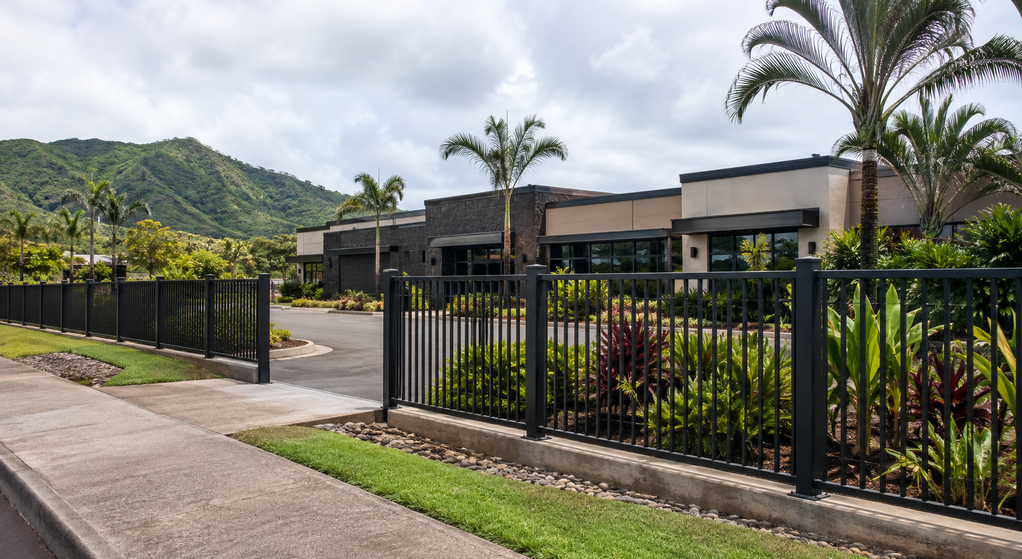
aluminum fencing services in Hawaii, the result is stability that lasts decades instead of just a few seasons.
A Stronger Foundation Leads to a Stronger Structure
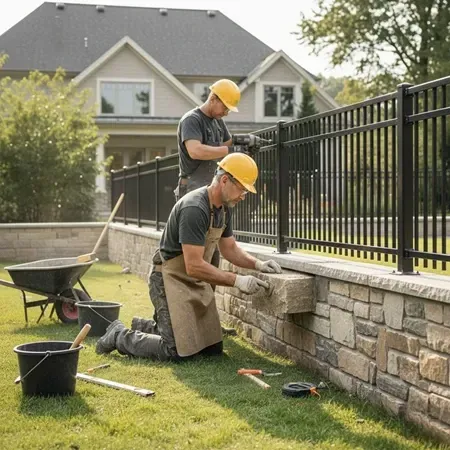
Everything standing above ground depends on what happens below it. Fence posts, rock walls, and block foundations behave according to the strength and stability of the footing.
Bringing masonry knowledge into fencing work elevates the entire structure because it encourages deeper foundations, better compaction, and more precise concrete work.
Builders trained in masonry, like Sunset Hawaii Fencing Company, understand the movement of soil, the way moisture affects the ground, and how weight transfers across a foundation. These details directly influence how long a fence will stand straight and secure. Proper gravel ratios, thoughtful drainage, and accurate footing depth provide stability that typical fence-only installations often lack.
When the underground work is treated as carefully as a rock wall footing, the fence becomes substantially more resistant to wind, erosion, and long-term environmental stress.
Alignment Improves When Precision Is Prioritized
Many fencing issues come from subtle misalignment. Posts shift slightly, the panels start to lean, and small inaccuracies compound over time. Fence builders with masonry training bring a precision-based mindset to the job. Rock wall construction requires consistent measurement, level accuracy, and uniformity, and those skills transfer directly into fencing.
This level of attention results in straighter lines, evenly spaced posts, and a structure that keeps its shape year after year. Instead of relying on rough visual judgment, professionals use exact measurements, correct concrete distribution, and proper spacing to create stability from the start. A fence built with this combination of skills holds its form longer, even in places with shifting terrain or harsh weather.
Material Knowledge Enhances Durability
Construction is not just about assembling pieces. It is also about knowing how materials behave over time. Masonry and fencing each come with unique maintenance needs, strengths, and weaknesses. When one professional understands both trades, decisions become smarter and the outcome becomes more reliable.
For example, the gates installed by our team perform well in humid climates when installed with proper airflow and anchoring. Rock walls need drainage channels to relieve pressure caused by trapped water. When these structures are designed together, the materials complement each other rather than compete. This prevents problems such as cracking, warping, or moisture-related damage.
A combined understanding of materials leads to structures that age more gracefully and withstand environmental challenges for significantly longer periods.
| Material | Key Strength | Potential Risk | Best Installation Consideration |
|---|---|---|---|
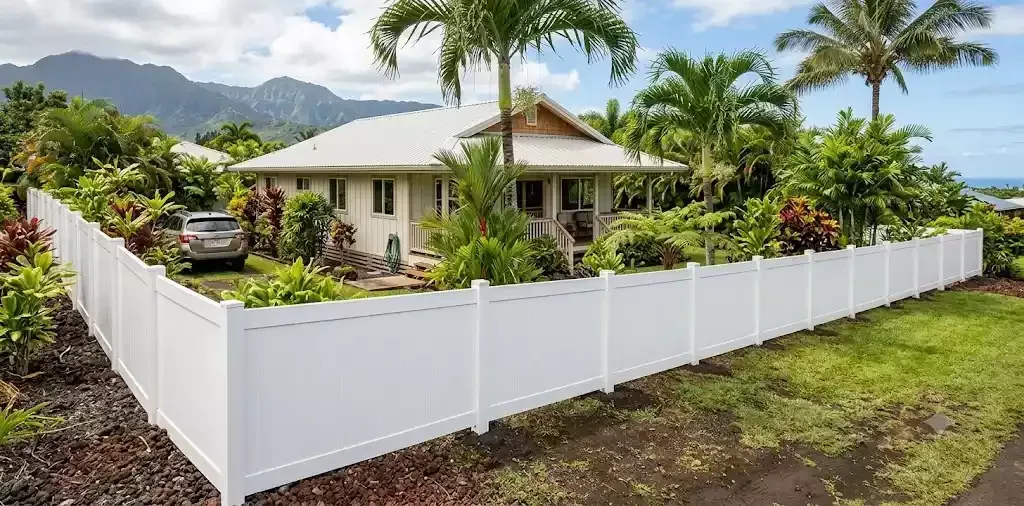
| Vinyl Fence | Resistant to moisture and rot | Can warp if poorly anchored | Proper airflow and secure post anchoring |
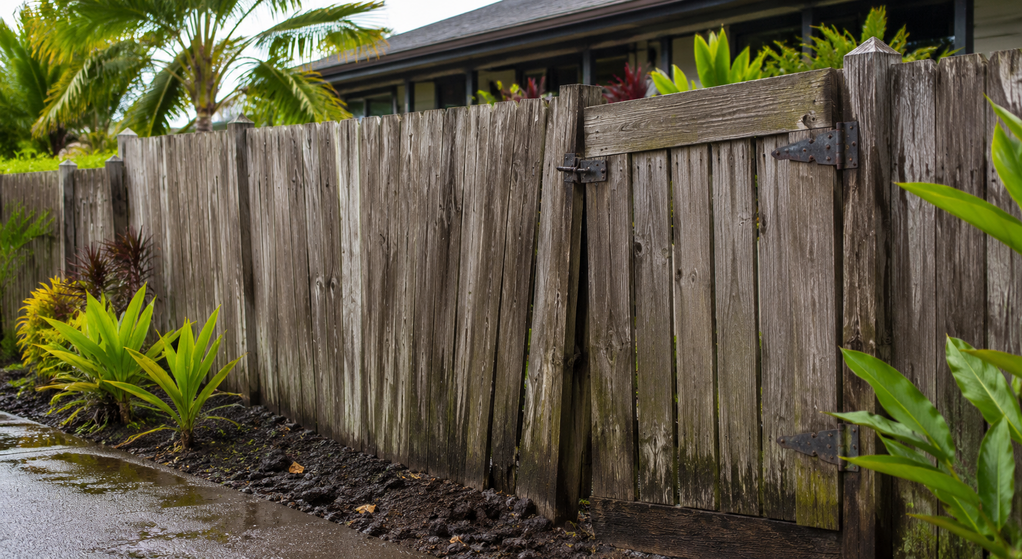
| Wood Fence | Natural appearance | Susceptible to rot and insects | Sealant and proper drainage |
| Rock Wall | Extremely durable | Pressure from trapped water | Drainage channels and reinforced footing |
| Concrete Footing | Strong structural base | Cracking if poorly mixed | Correct gravel ratio and compaction |
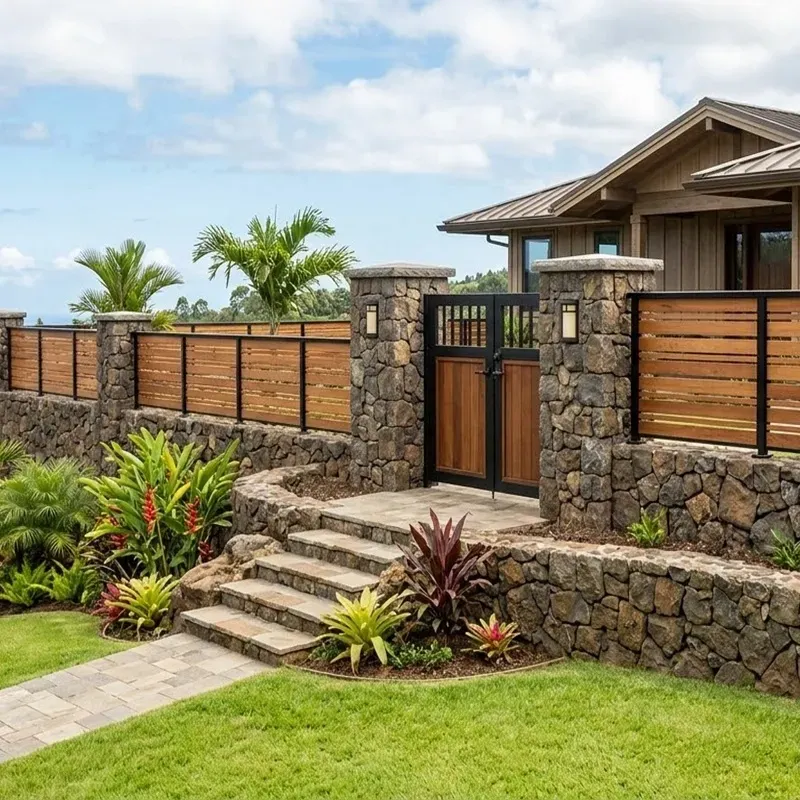
Integrated Design Creates a More Cohesive Property Layout
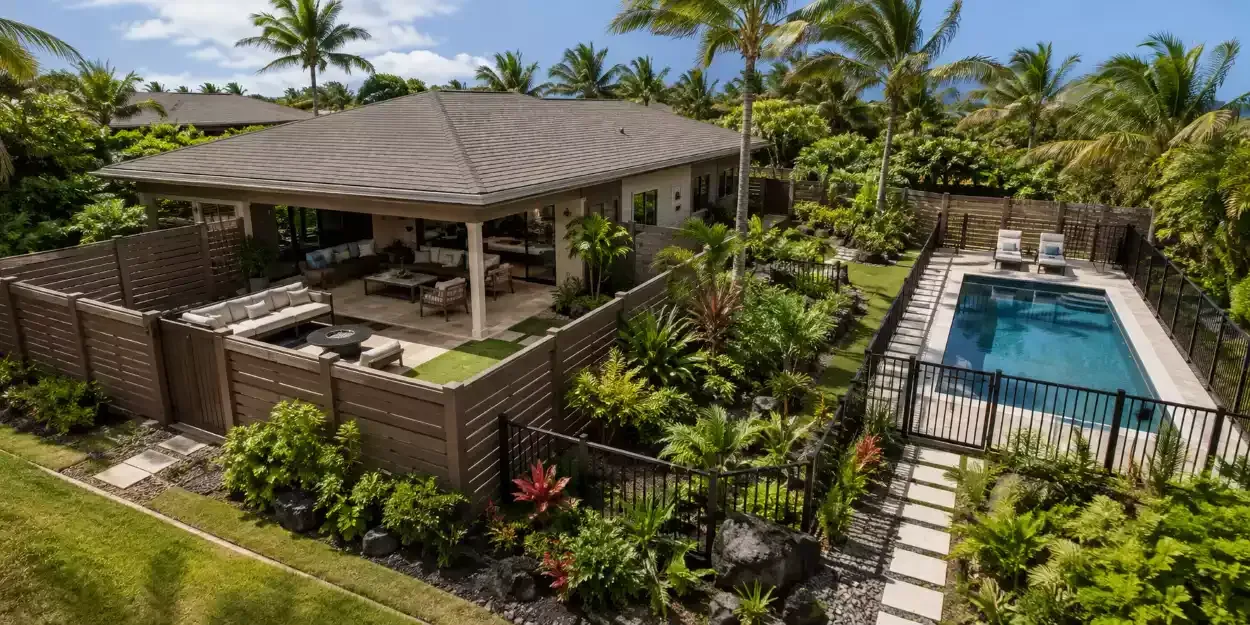
Homes benefit when fence and masonry work are planned together instead of being treated as separate projects. A mason’s eye focuses on stability, balance, and landscape integration, while a fencing expert understands privacy, security, and boundary placement. Combining these perspectives results in a smoother, more intentional property design.
Examples include:
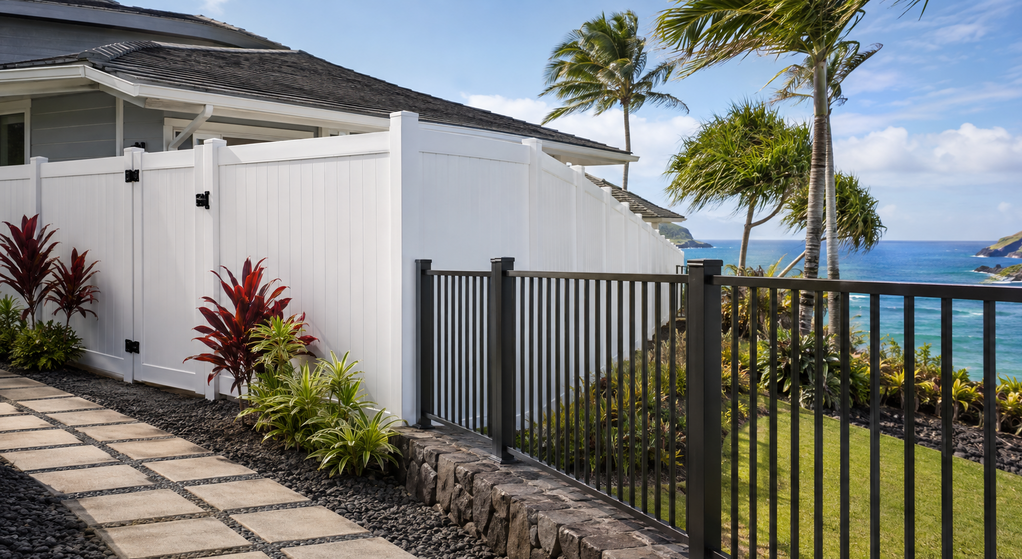
- Fences that connect seamlessly to stone or block bases
- Retaining walls built to support future fence installations
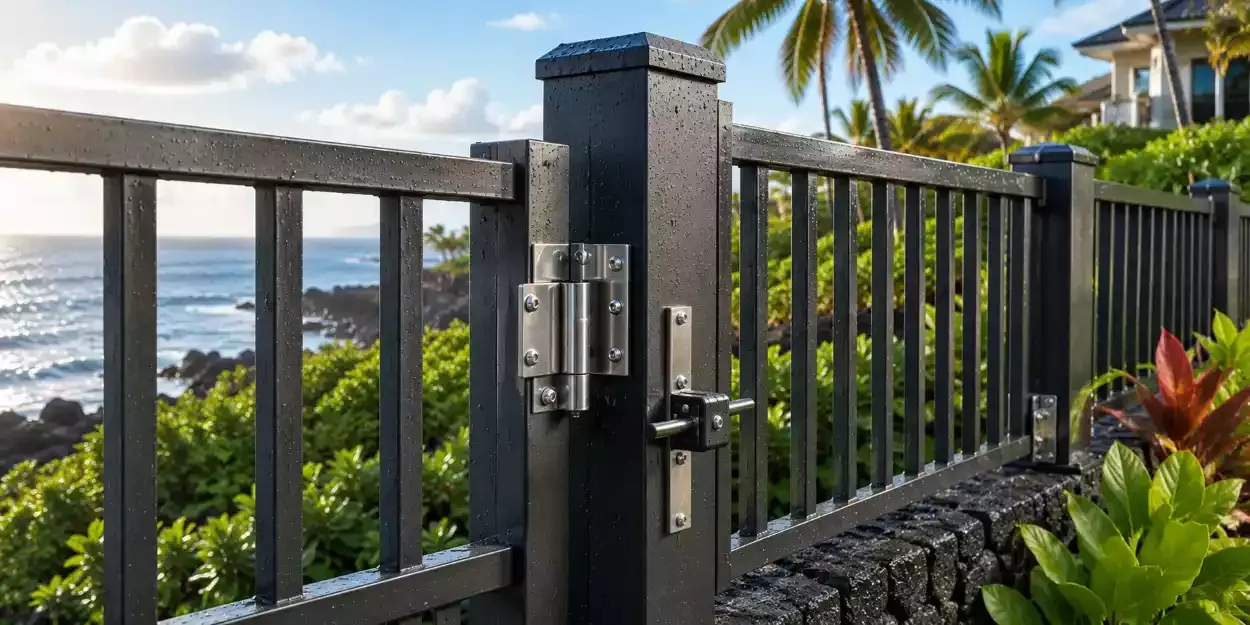
- Gate systems designed with stone pillars for added strength
- Property transitions that feel natural instead of abrupt
This approach creates structures that function well and enhance the overall look of the property. If you need more design inspiration, check out modern fence design ideas for your home in Hawaii to inspire your next project.
Reduced Maintenance and Lower Long-Term Costs
When masonry and fencing work are executed together, the structure is less likely to shift, crack, or sag. A fence installed without masonry knowledge may require frequent adjustments, while a rock wall built without fencing awareness may lack the reinforcement needed for attached gates or rails.
By addressing these issues early through integrated design and installation, homeowners avoid frequent repairs and premature replacements. Proper drainage, deeper footings, precise alignment, and stronger material choices all contribute to lower long-term maintenance. In regions with challenging weather conditions, this combined approach can nearly double the lifespan of a fence or retaining wall.
Your fence will have its strong structure if maintained properly. Learn how to maintain your fence with essential tips to ensure longevity and reliable performance.
Consistency Builds Trust and Reliability
A unified skill set eliminates confusion and gaps between contractors. Instead of separate crews with separate responsibilities, one builder guides the project from planning to execution. This makes the process clearer and avoids conflict over who is accountable for structural issues.
The result will be cleaner communication, shorter project timelines, higher quality control, and more predictable outcomes. Homeowners benefit from having a single point of responsibility and a builder who sees the entire project as one cohesive structure.

Educated Decision-Making Creates Better Outcomes
A builder with knowledge in both areas can help homeowners understand why certain choices matter. This encourages transparency and empowers clients to make informed decisions based on long-term performance rather than short-term cost.
Clear explanations about footing depth, vinyl performance in humid climates, proper drainage, and soil behavior allow homeowners to see the value behind each construction choice. This educational component strengthens trust and leads to projects that stand the test of time.
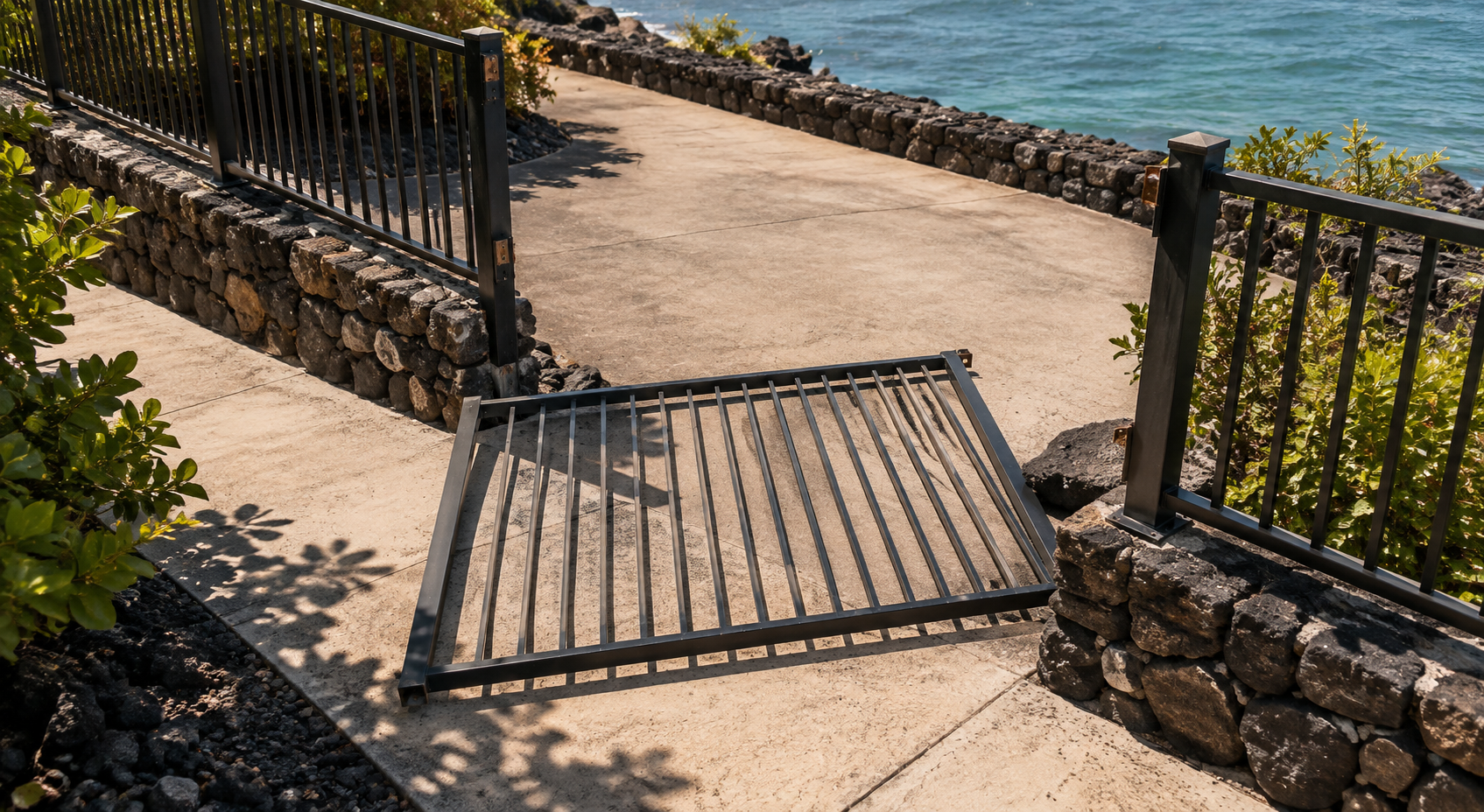
A fence can regain its stability with the right approach. Discover how to fix a leaning or damaged fence using simple repair techniques
A Combined Approach Honors Craftsmanship and Durability
Masonry and fencing share the same core requirement: they must remain strong and reliable for years. When the two skill sets merge, the structures become more than just functional. They represent intentional craftsmanship supported by technical knowledge.
This blended approach creates fences, rock walls, and retaining systems that adapt well to climate, resist natural forces, and maintain their appearance long after standard installations begin to deteriorate. The future of long-lasting property construction lies in understanding how both trades reinforce each other when planned together.