Aluminum Pool Fencing in Hawaii: Safety Standards and Design Options
Safety & Design Snapshot:
Aluminum pool fencing in Hawaii offers the best balance of child safety, corrosion resistance, clear visibility, and long-term code compliance when designed for local climate conditions. Proper height, narrow picket spacing, self-latching gates, and coastal-grade hardware are what keep the barrier safe and dependable over time.
Pool fencing in Hawaii should never be treated as a decorative afterthought. Safety, code compliance, corrosion resistance, and long-term visibility all matter far more than style trends alone. This is why
aluminum fencing installation services are often the most practical choice for residential pool enclosures, especially in coastal and humid environments where material failure can quietly turn into a safety issue.
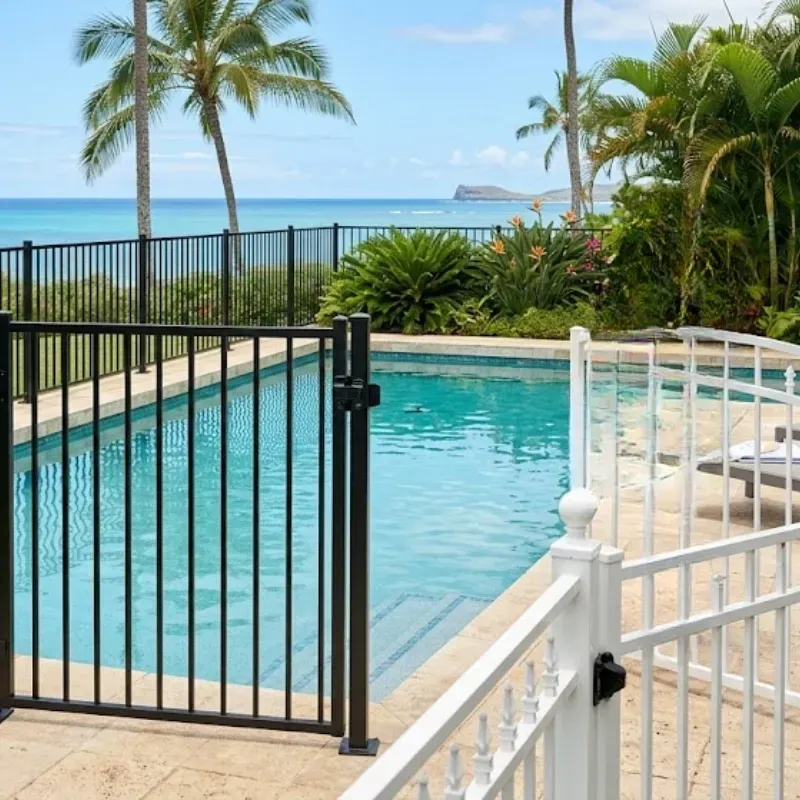
Why Aluminum Pool Fencing Performs So Well in Hawaii
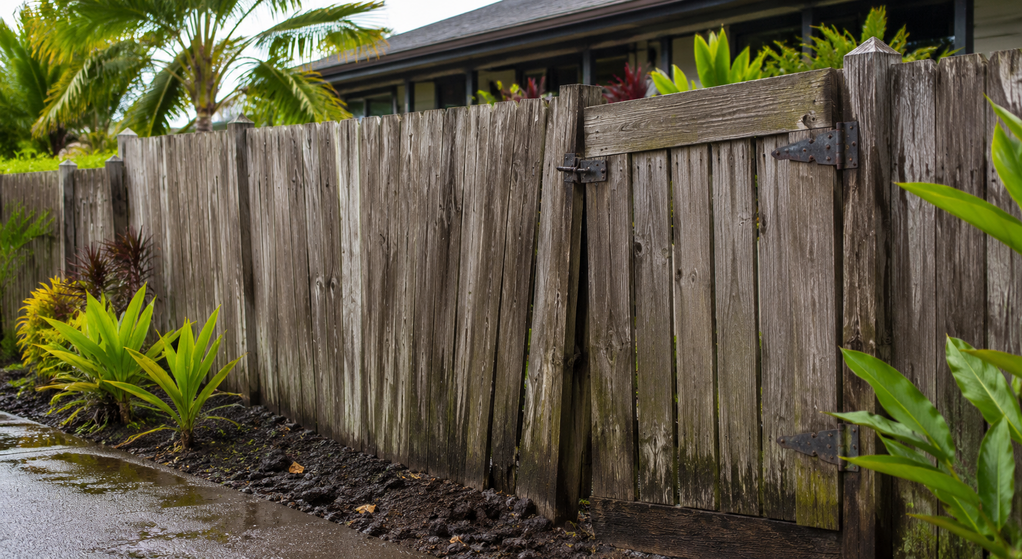
The strongest argument for aluminum around pools is simple: Hawaii’s climate is unforgiving. Salt-rich air, year-round humidity, UV exposure, and frequent rain quickly expose weaknesses in poorly chosen materials.
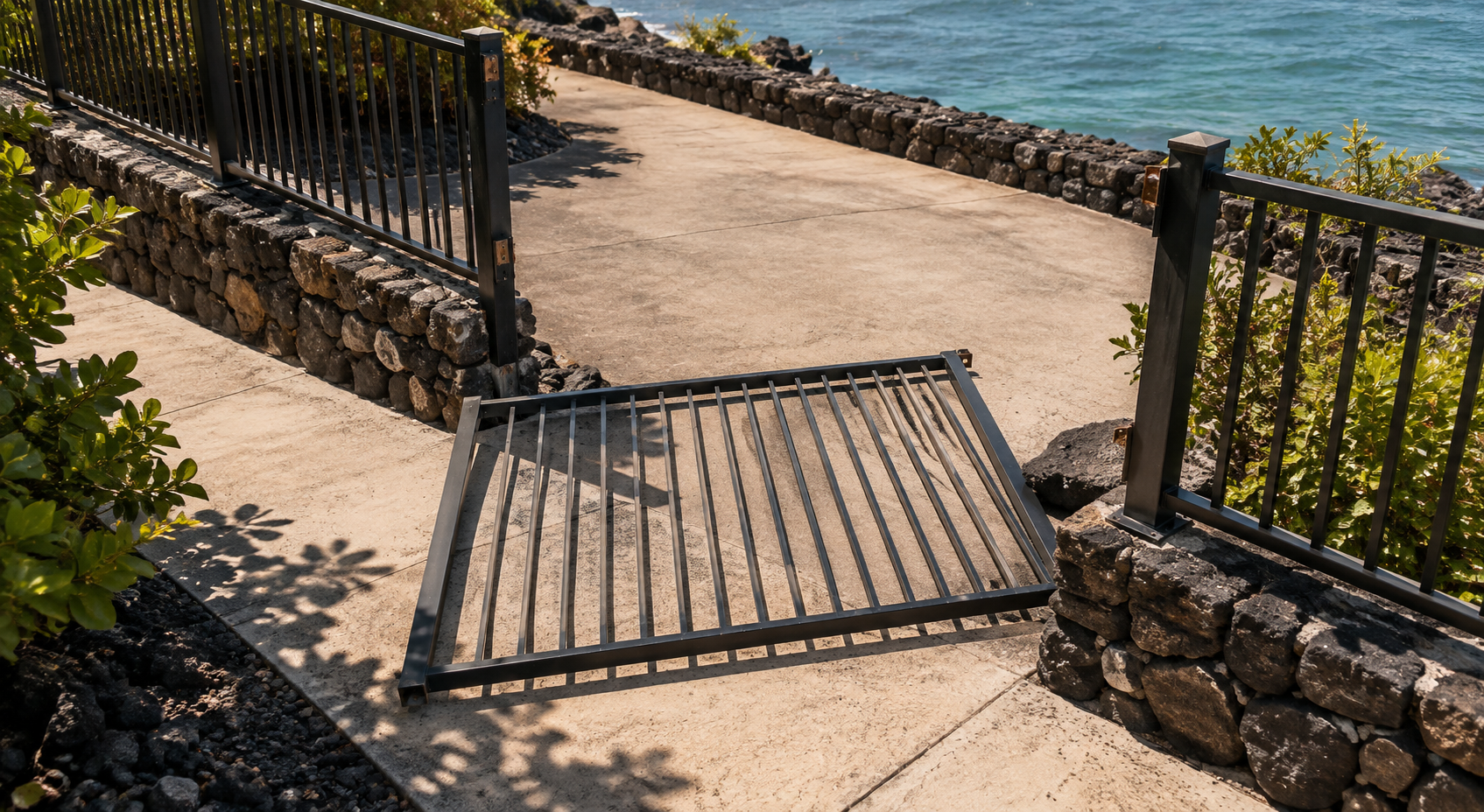
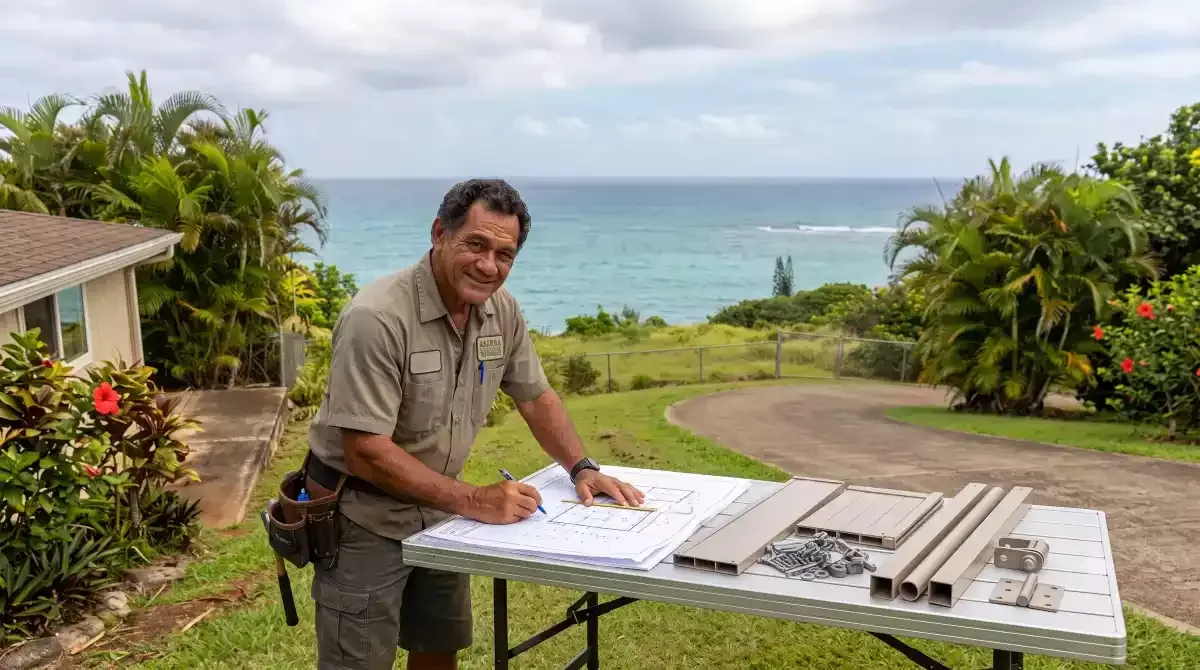
Our aluminum fencing experts consistently see homeowners underestimate how fast coastal corrosion and hardware deterioration can compromise gate function, latch reliability, and panel stability. Around a pool, those failures are not cosmetic. They directly affect child safety and code performance.
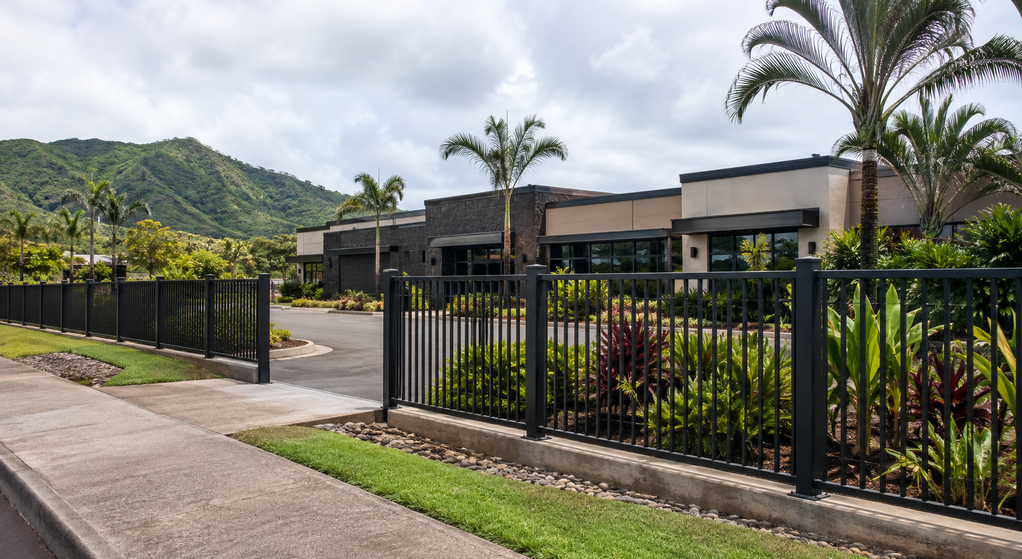
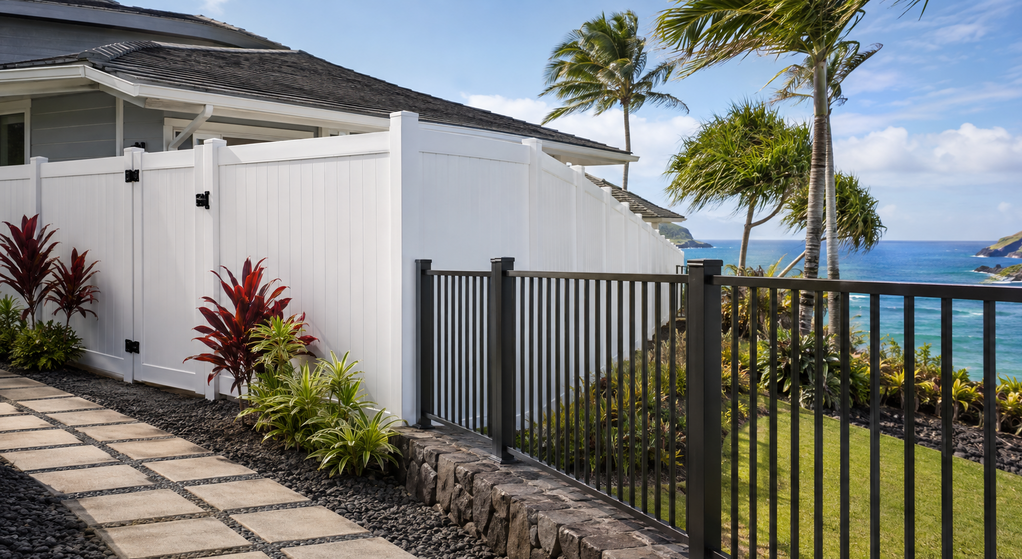
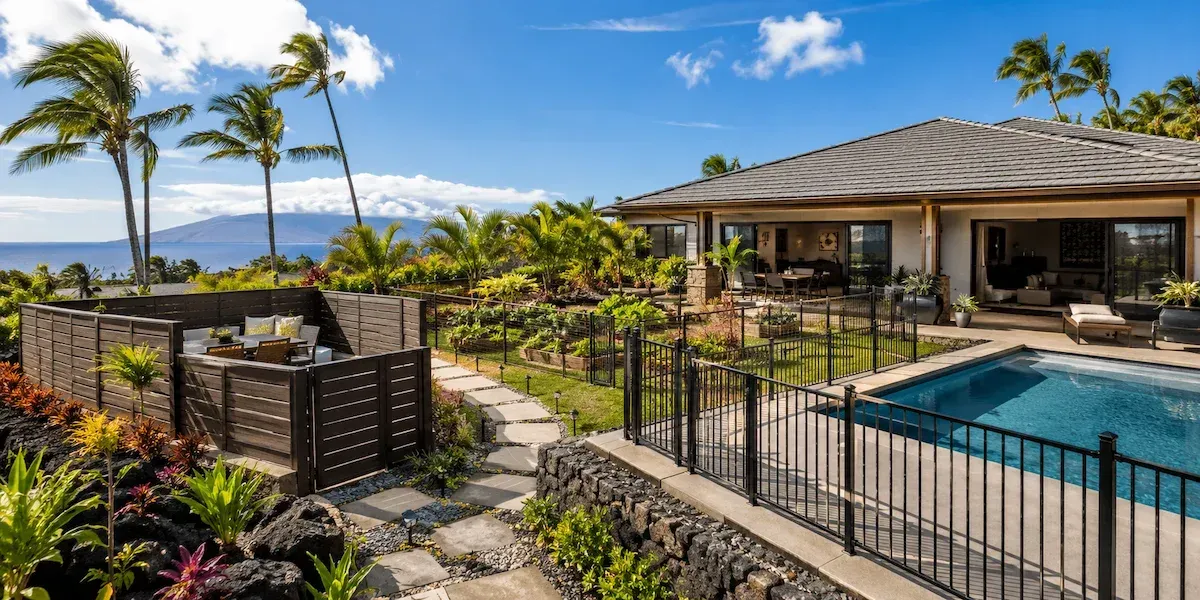
Aluminum remains one of the smarter choices because powder-coated systems resist rust, require minimal maintenance, and maintain clean sightlines around water features. In neighborhoods across Honolulu, Kāneʻohe, Kailua, and Hawaiʻi Kai, this combination of durability and visibility makes aluminum especially effective.
What matters is not how a pool barrier looks on installation day, but whether it still self-closes, self-latches, and remains climb-resistant years later.
The Safety Standards That Matter Most
In Hawaii, pool fencing requirements generally follow strict residential barrier principles designed to reduce unsupervised child access.
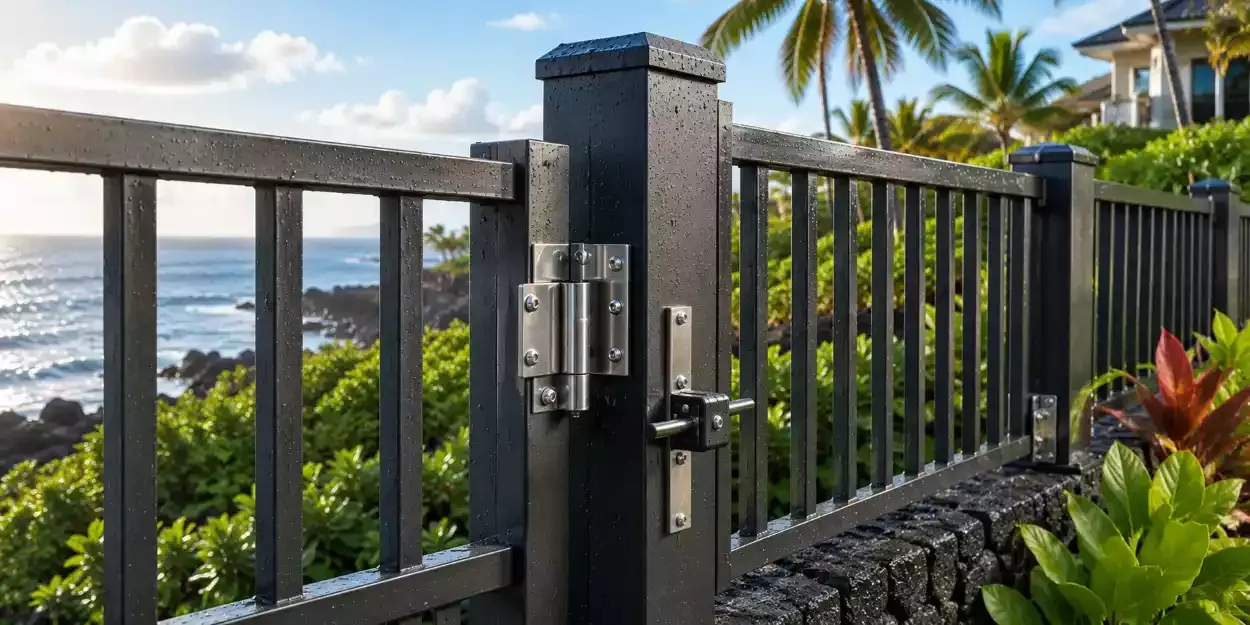
Minimum height remains one of the first things inspectors and experienced installers evaluate, but height alone is never enough. Spacing between pickets must be narrow enough to prevent children from slipping through or using the fence as leverage. Gates should be equipped with self-closing hinges and self-latching hardware, and the swing direction must support secure closure every time the gate is used.
A common mistake homeowners make is focusing only on the panel itself while overlooking the surrounding environment. Decorative horizontal rails, oversized gaps, nearby planter boxes, or outdoor furniture can all create unintended climbing points. Based on experience, the smarter approach is to assess the full pool zone, including anything placed near the barrier.
Even a technically compliant aluminum fence can become unsafe if pool pumps, benches, storage bins, or landscaping stones are positioned too close to the perimeter. To learn more about pool safety standards, review flat top aluminum pool fencing.
Design Options That Improve Both Safety and Usability
One reason aluminum works so well in Hawaii is the flexibility it offers in design without sacrificing function.
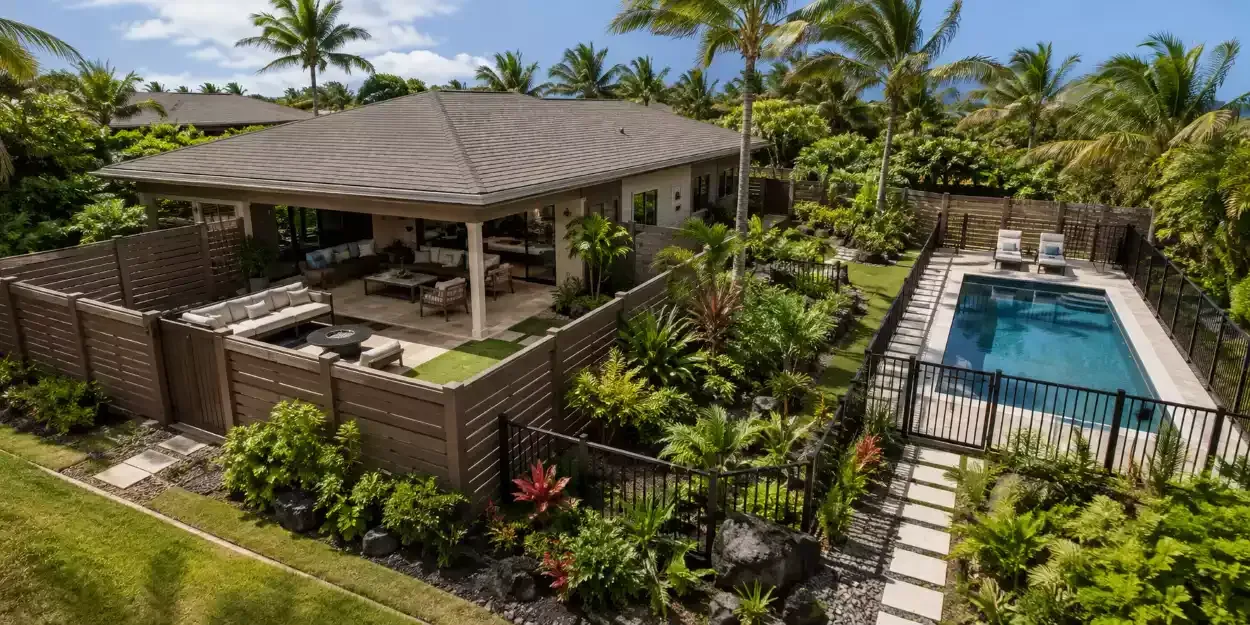
Flat-top panels are often preferred for clean, modern residential aesthetics, while spear-top profiles may provide additional deterrence where security is also a concern. Narrow picket spacing offers better child protection, and decorative post caps can elevate the look of upscale outdoor living spaces. Some homeowners also benefit from double-gate layouts, especially when regular maintenance access to the pool equipment area is necessary.
The real design tradeoff usually comes down to visual openness versus privacy. In most pool settings, visibility is the better decision because it allows clear supervision from lanais, kitchens, and seating areas. We have seen the strongest long-term outcomes when homeowners prioritize line of sight first and decorative styling second.
This matters even more in Hawaii, where pools are often integrated into broader outdoor entertainment spaces rather than separated into isolated backyard corners.
Why Hawaii’s Climate Changes the Right Fence Choice
Pool fencing advice from dry mainland regions often does not translate well to Hawaii.
Salt air near coastal communities accelerates corrosion on lower-grade fasteners and gate hardware. Constant UV exposure can weaken lower-quality finishes, while tropical rainfall creates persistent moisture around posts and hinge points.
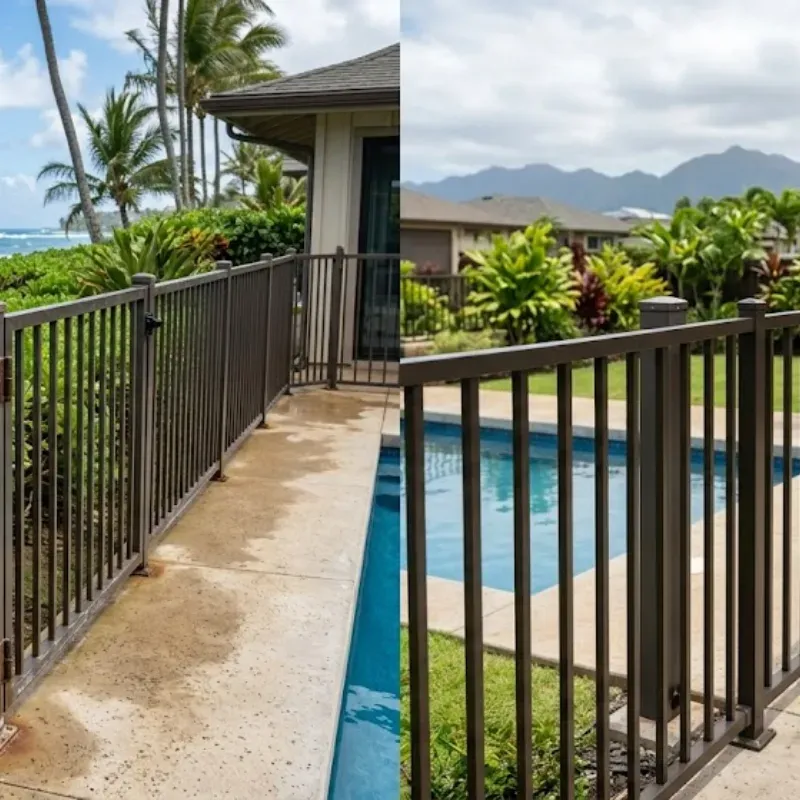
Windward-side neighborhoods often experience even more aggressive moisture cycles than leeward areas.
This means the right aluminum fence design for Kailua may require stronger coating systems and hardware considerations than a similar installation in Mililani. Coastal homes demand higher corrosion resistance, while luxury outdoor spaces often need design layouts that preserve sightlines without compromising code compliance.
That local variation is what separates a fence that only passes inspection from one that remains dependable for years in Hawaii’s climate. Review choosing the right material for Oahu’s weather conditions.
Common Mistakes Homeowners Should Avoid
The most expensive pool fencing mistakes are usually small decisions that become larger safety issues over time.
One of the most common errors is choosing decorative styles with horizontal elements that unintentionally create footholds. Another is using general-purpose gate hardware instead of components specifically rated for pool barriers. Homeowners also frequently overlook how retaining walls, grade changes, or future landscaping growth can reduce the effective barrier height over time.
In our work, gate hardware failure remains one of the most preventable risks, especially in salt-heavy coastal zones where corrosion works faster than many people expect. That is why hardware quality deserves the same level of attention as panel style, finish color, or ornamental details.
The Best Pool Fence Is the One That Stays Safe in Hawaii’s Climate
The smartest aluminum pool fence design balances code safety, corrosion resistance, visibility, and long-term gate reliability. In Hawaii, climate conditions make durability just as important as barrier height or panel spacing.
Homeowners who choose aluminum with location-specific design decisions, hardware quality, and supervision visibility in mind create safer pool spaces that continue performing well years after installation. The real confidence comes from knowing the fence will still function as intended through humidity, salt exposure, and everyday family use.