Balancing Island Style and Security in Your Gate Design
Local Insight:
Effective gate design on Oʻahu balances island aesthetics with practical security by prioritizing visibility, durability, and ease of use over purely decorative or overly fortified approaches. Gates that align with local climate, soil conditions, and community norms provide better long-term performance, ensuring both reliable protection and a design that fits naturally within the island environment.
On Oʻahu, gates are asked to do more than define property lines. They shape first impressions, reflect island culture, and quietly determine how secure a home or business really is. The challenge is that many homeowners treat design and security as opposing goals. In practice, the strongest gate designs are the ones that respect both.
Why Gate Design Works Differently on Oʻahu
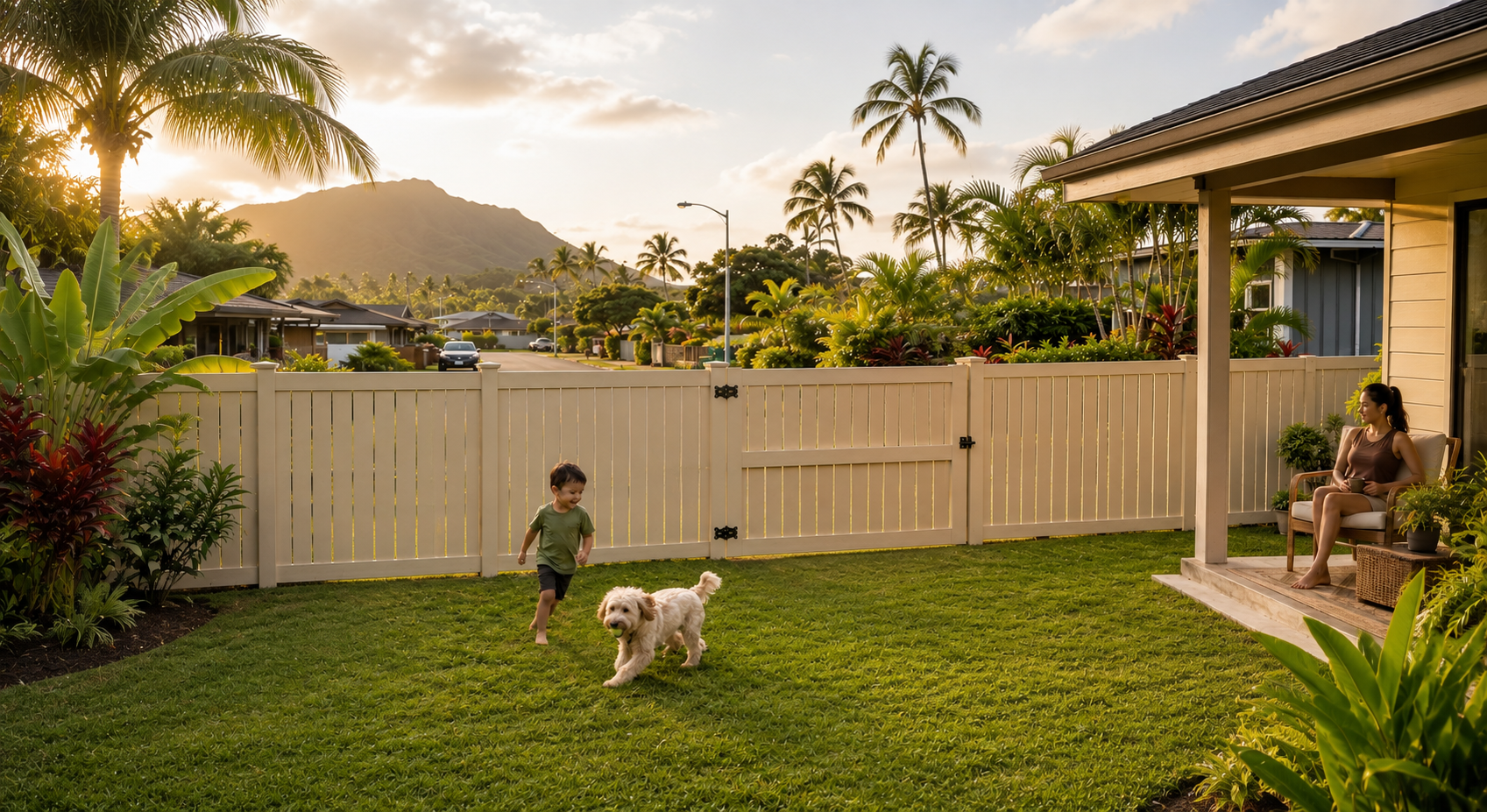
Oʻahu is not a high-wall, closed-off market like many mainland suburbs. Neighborhoods value openness. Sightlines matter. Natural airflow is part of daily comfort. At the same time, property crime exists, especially in dense urban areas like Honolulu and parts of Central Oʻahu.
According to the Honolulu Police Department’s public crime statistics, property-related incidents remain far more common than violent crime. This matters because it shifts how security should be approached. Gates here are less about fortification and more about deterrence, control, and clarity of boundaries.
According to
Professional gate installation services in Oahu, Hawaii, a gate that clearly defines private space while remaining visually open often performs better than one that tries to look impenetrable.
The Role of Visibility in Security
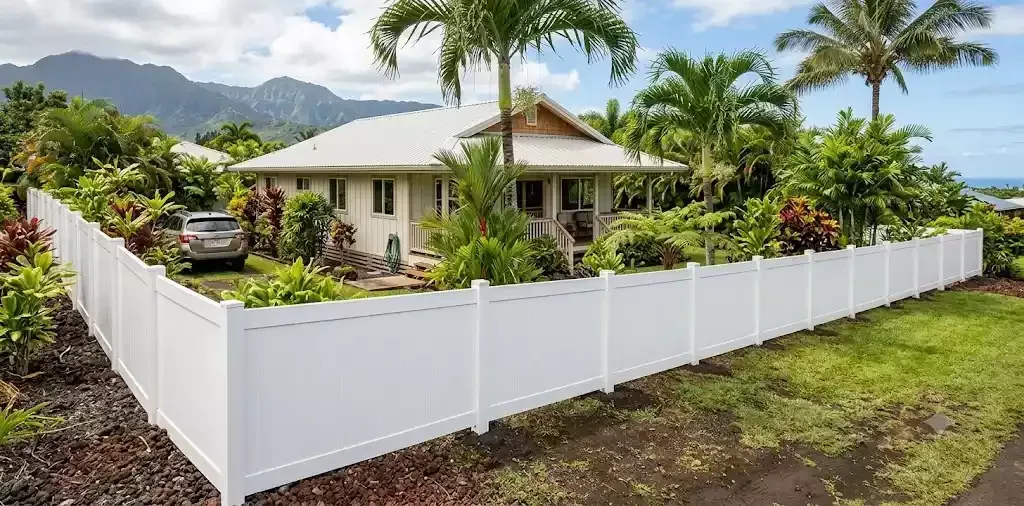
One of the most misunderstood ideas in gate design is visibility. Many homeowners assume privacy equals safety. In reality, completely opaque gates can create blind spots that reduce natural surveillance.
Crime prevention research from the National Institute of Justice highlights the value of visibility and environmental awareness in reducing opportunistic crime. Gates that allow partial visibility make it harder for someone to act unnoticed.
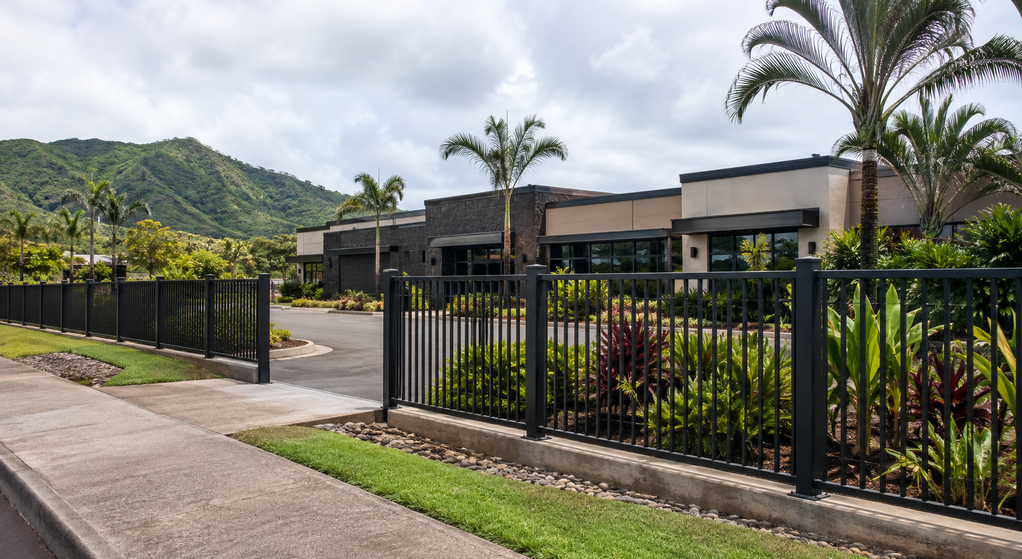
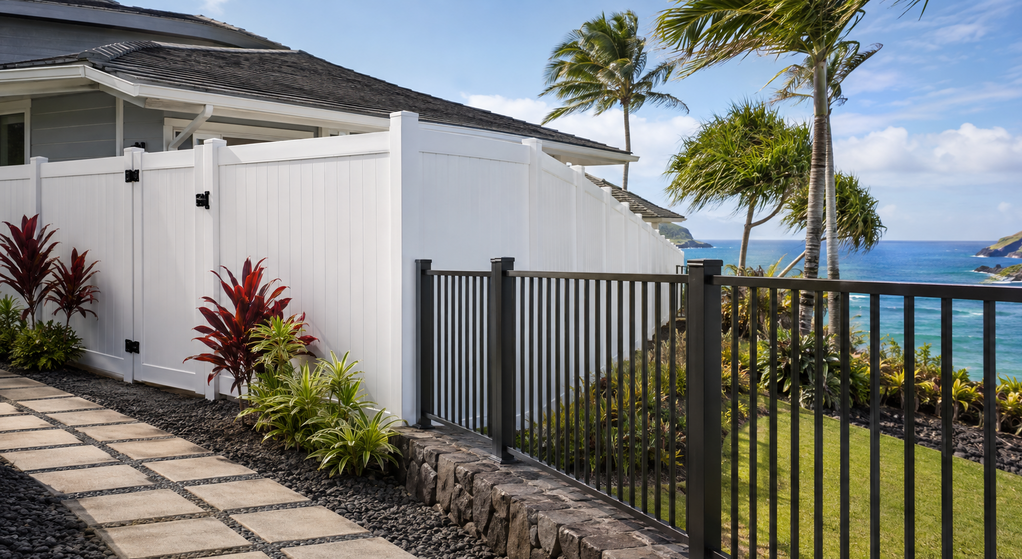
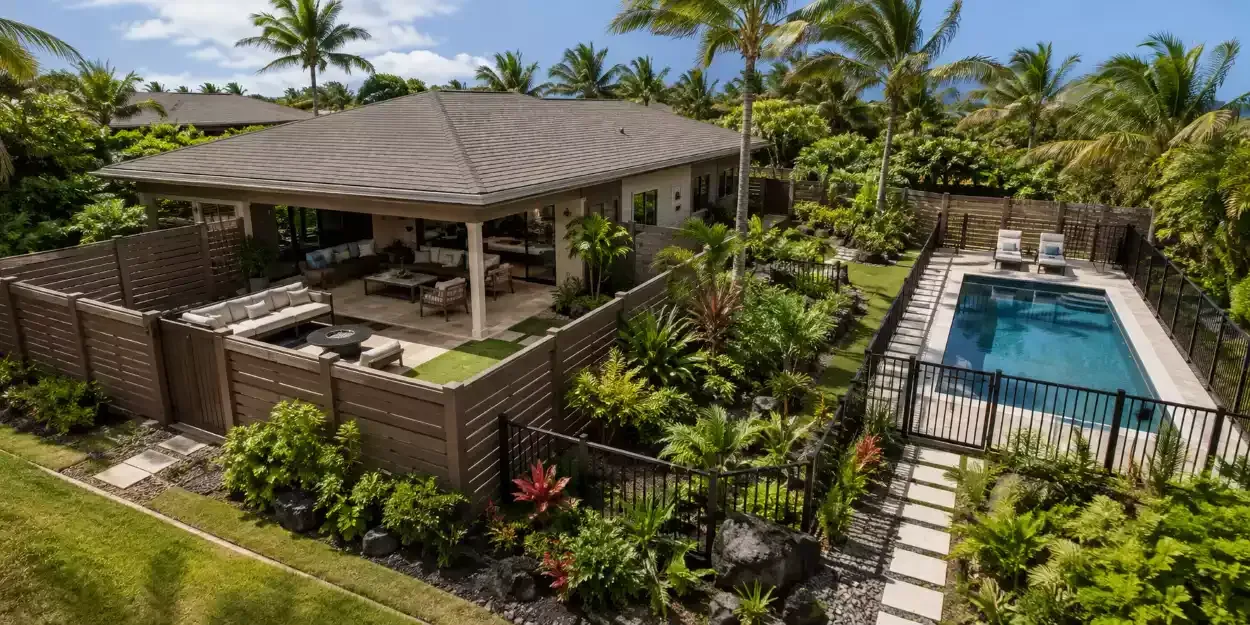
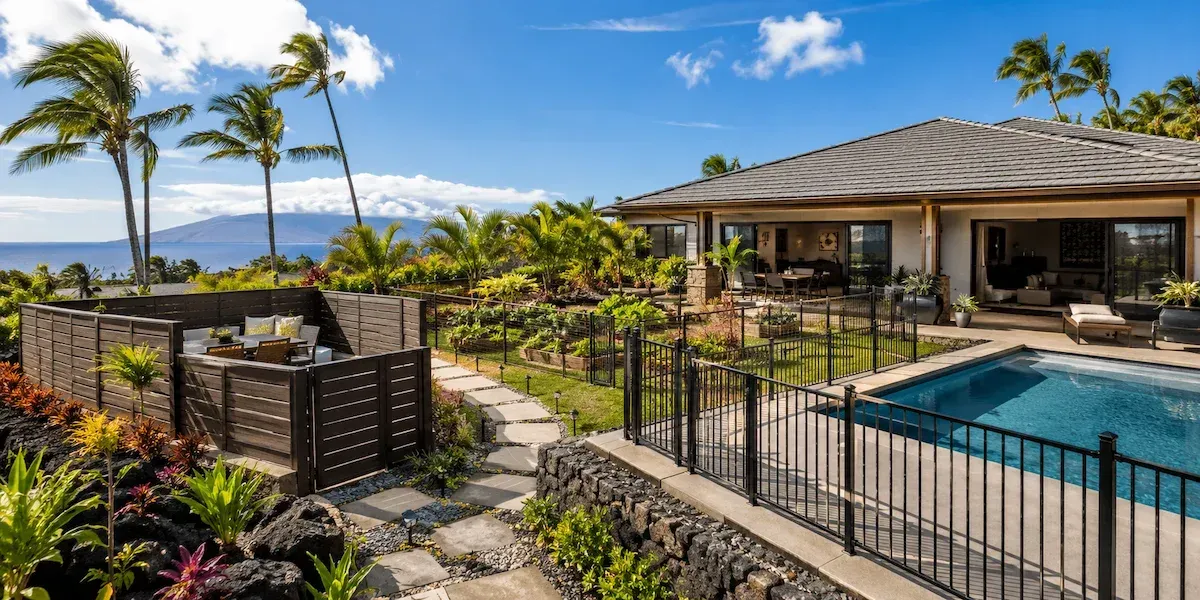
Professional gate installation services offer options such as slatted designs, spaced pickets, and low-to-mid height gates that often strike the right balance. These features signal ownership and control without creating hidden zones.
Style Choices That Support Security
Island style does not mean casual construction. Thoughtful design details can reinforce security without changing the look.
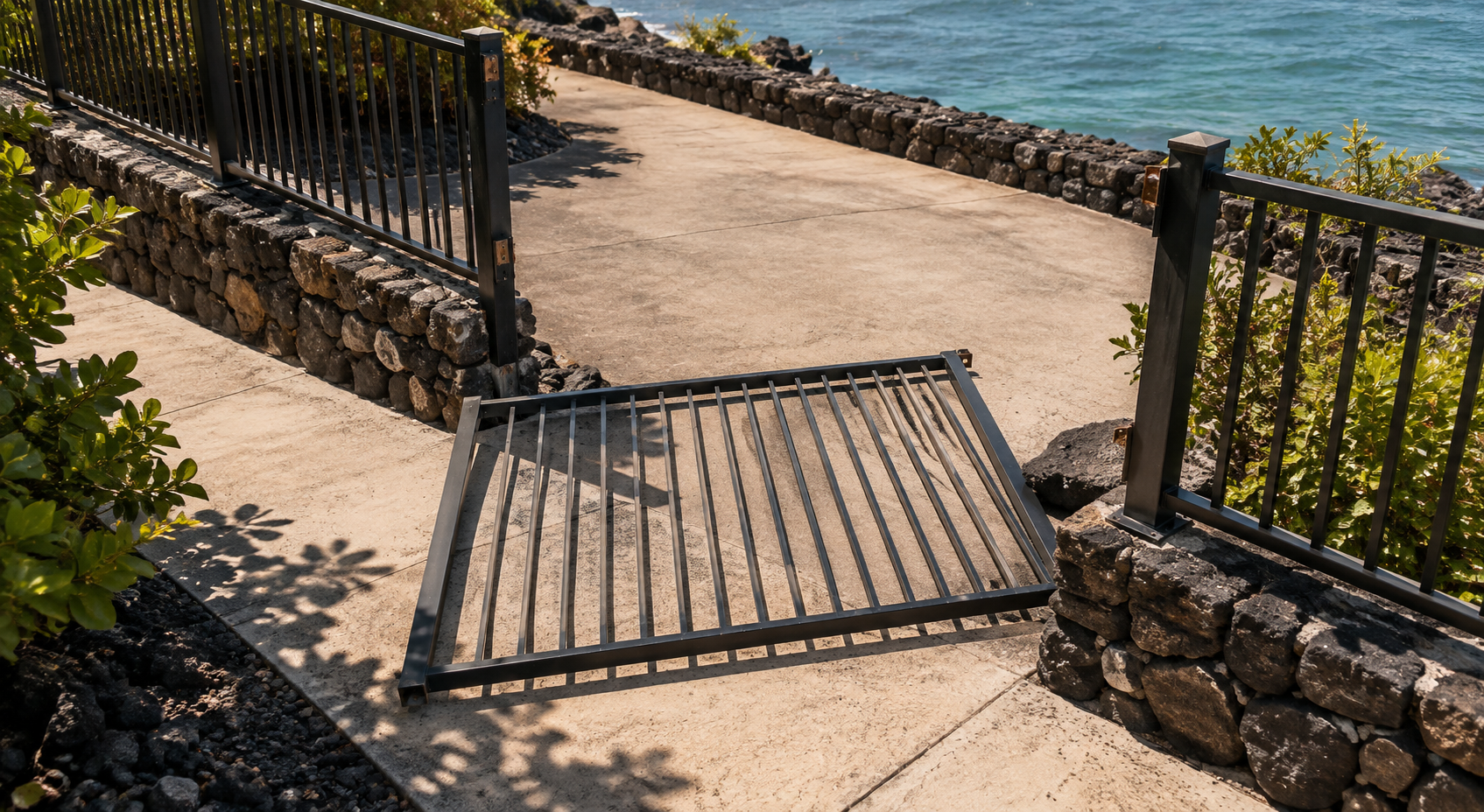
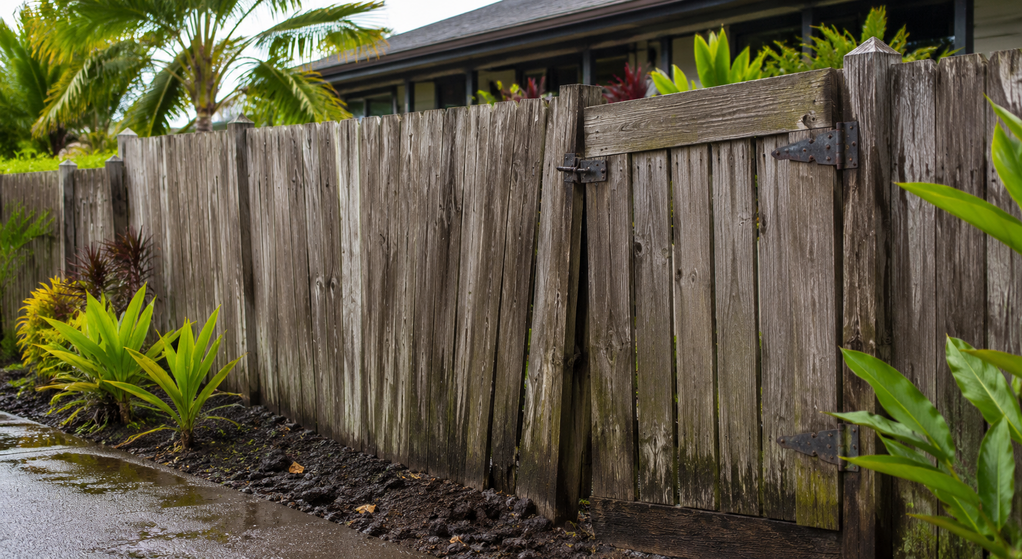
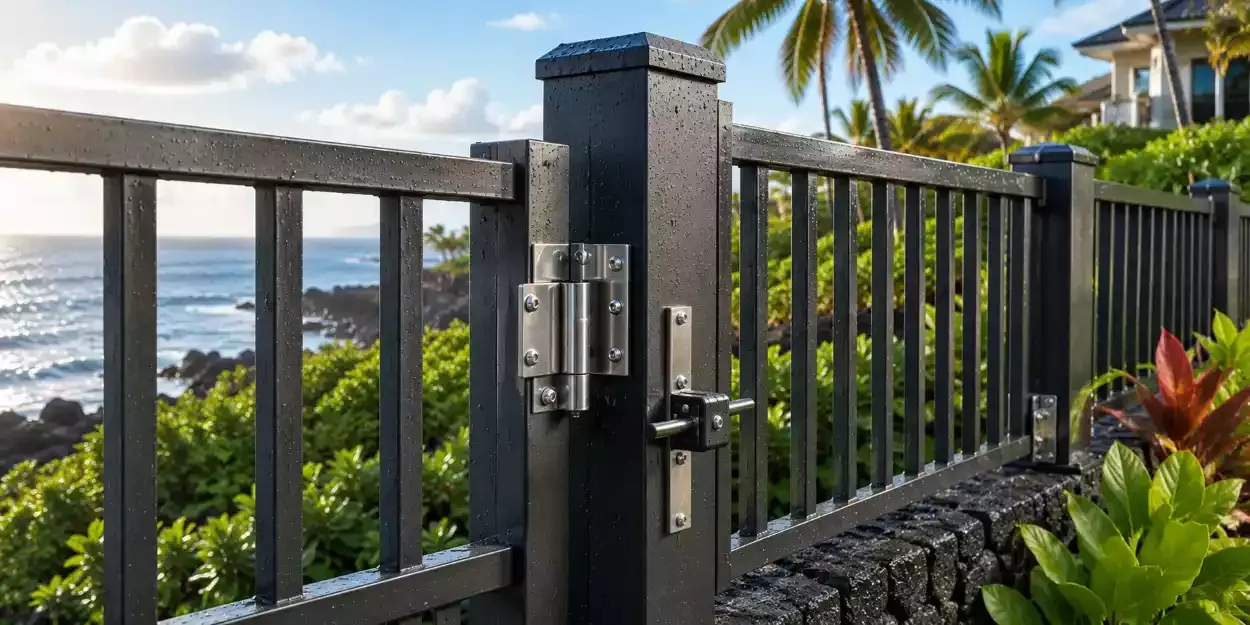
Material selection matters. Vinyl and aluminum gates resist corrosion in Hawaiʻi’s humid climate and maintain alignment longer than untreated wood. Consistent alignment is not aesthetic fluff. Gates that drag or sag stop closing properly, which weakens security over time.
Hardware choice is equally important. Self-latching mechanisms, properly rated hinges, and reinforced gate frames quietly improve performance without changing appearance. Our gate installation team has seen many visually attractive gates fail simply because hardware was selected for looks rather than durability.
| Element | Option | Benefit | Risk if Ignored |
|---|---|---|---|
| Material | Aluminum | Rust-resistant, low maintenance | Corrosion, misalignment |
| Material | Vinyl | Durable in humidity | Warping if low quality |
| Material | Wood | Natural look | Rot, frequent maintenance |
| Hardware | Self-latching | Automatic closure | Gate left unsecured |
| Hardware | Reinforced hinges | Supports weight | Sagging over time |
Where Homeowners Go Wrong
One is over-prioritizing privacy panels in front-facing gates. While privacy has its place, fully closed designs near sidewalks can invite tampering. Another is choosing decorative elements that weaken structural integrity, such as oversized cutouts or unsupported spans.
A third mistake is ignoring how gates are actually used. A heavy gate with a complex locking system often ends up left open because it is inconvenient. Security that is not used is not security at all.
To learn more, check out The Most Common Gate Installation Mistakes Homeowners Make in Oahu.
Footings, Weight, and Long-Term Stability
Security starts below ground. Gates that feel solid on day one can shift over time if posts are not set correctly for local soil conditions. Oʻahu’s soils vary widely, from sandy coastal areas to clay-heavy inland zones. Moisture movement affects all of them.
Engineering guidance from the Federal Highway Administration consistently emphasizes matching foundation design to soil and moisture conditions. While these standards are written for infrastructure, the principles apply directly to gate posts. Stable footing maintains alignment, and alignment preserves security.
Cultural Fit Matters More Than Trends
Designs that work well on the mainland often feel out of place here. Tall, solid metal gates may project security, but they can clash with neighborhood norms and attract attention for the wrong reasons.
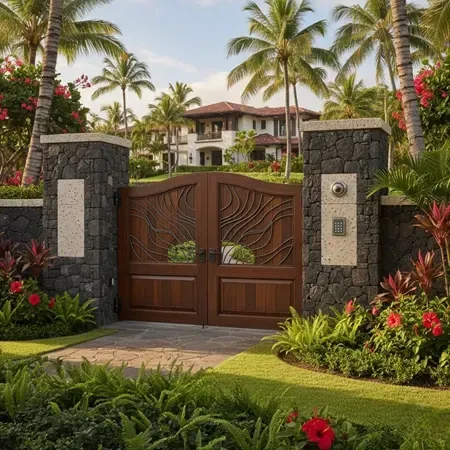
Island-style design favors integration. Rock walls paired with gates, natural colors, and proportional heights tend to age better visually and socially. In practice, gates that blend into their surroundings are less likely to be challenged.
This is not about aesthetics alone. Community context influences how people respect boundaries. Explore Modern Gate Designs That Elevate the Look of Oahu Homes to get more design ideas for your gate.
Smart Security Is Predictable
From experience, the most secure gates are predictable. They close the same way every time. They latch automatically. They do not rely on memory or effort.
Standards from UL Solutions, particularly UL 325 for gate operator safety, reinforce the idea that consistency and proper installation reduce failure and misuse. While many residential gates are manual, the underlying principle still applies.
A gate that works smoothly encourages proper use. Proper use sustains security.
What Homeowners Should Take Away
Balancing island style and security is a refinement process. The strongest gate designs on Oʻahu respect visibility, durability, cultural fit, and daily behavior.
Homeowners who focus only on appearance often face repairs or replacements sooner than expected. Those who focus only on security often end up with gates that feel out of place and are underused.
Reach out to professionals who understand both design and durability to make sure your gate performs well and lasts.