The Benefits of Choosing Vinyl Fencing for Hawaii Homes
Quick Summary: Vinyl fencing is one of the most practical and durable choices for Hawaii homes, built to withstand salt air, humidity, and intense sun without rotting, rusting, or warping. With minimal maintenance, long-term cost savings, and versatile designs, it offers a reliable, attractive, and sustainable fencing solution for island living.
Salt air, humidity, and year-round sun are the elements that fencing materials in Hawaii face. That’s why many homeowners have learned that traditional wood and metal fences simply don’t last. If you are planning to add fencing to your Hawaii home, it is best to consider materials that balance beauty, durability, and practicality, just like vinyl. Vinyl fencing has become a quiet revolution in island construction. Explore why more Hawaiʻi families are turning toward vinyl as their long-term fencing solution and why it may be the smartest choice you can make for your home.
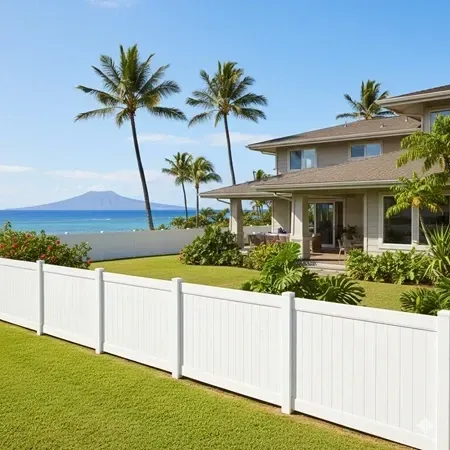
Vinyl Fencing Defies Hawaii’s Humid Climate
Hawaii’s weather is paradise for people but a punishment for most building materials. Constant exposure to salty air, UV rays, and moisture eats away at paint, metal, and untreated wood.
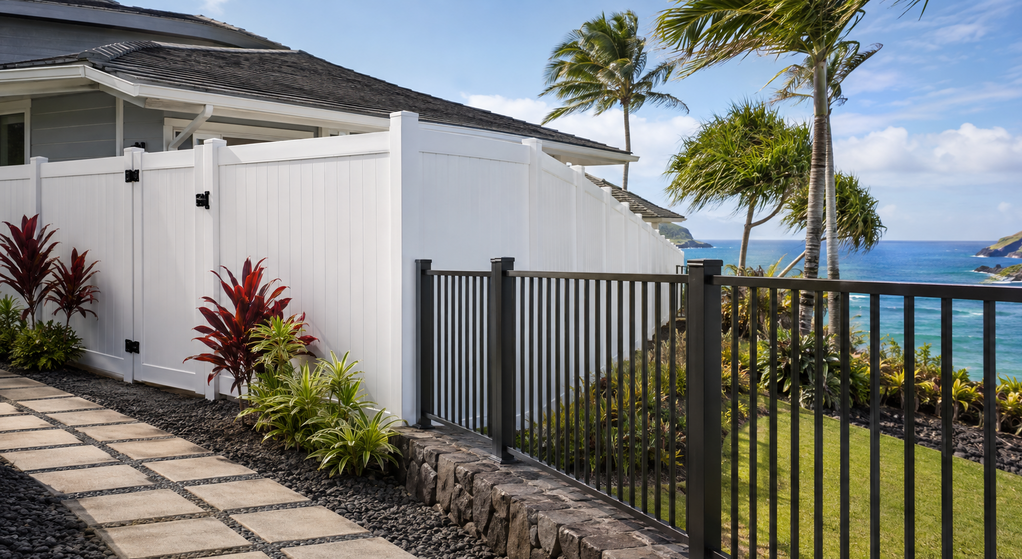
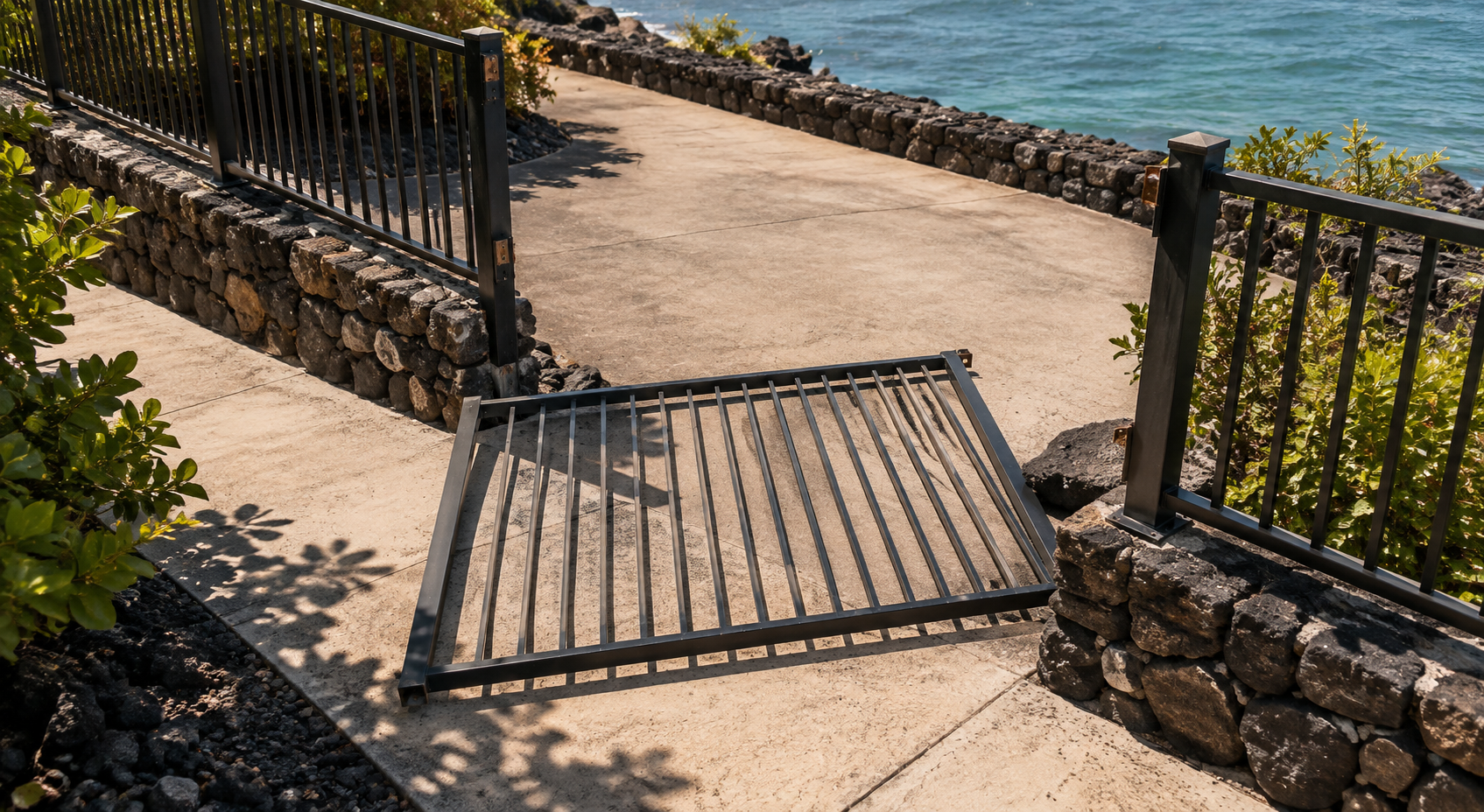
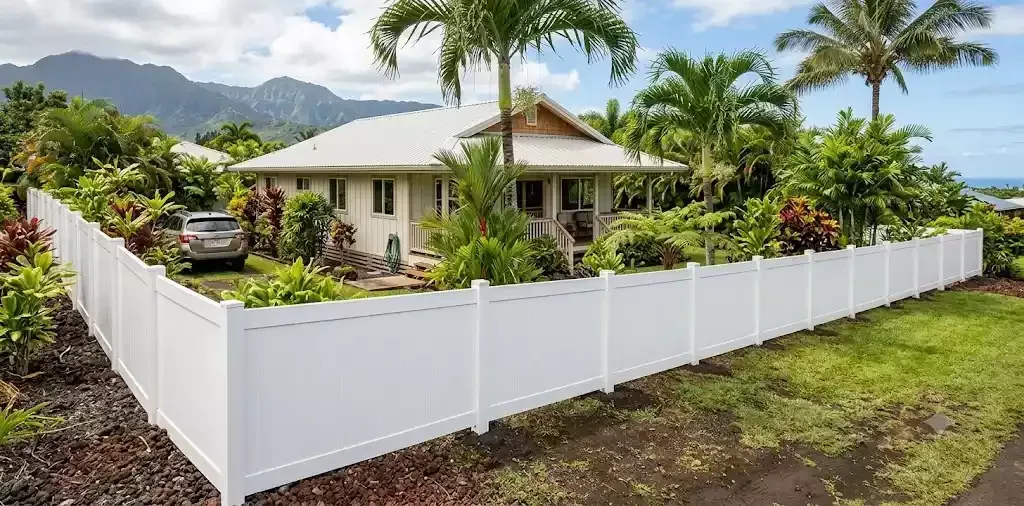
Vinyl, however, is engineered by professional vinyl fencing services in Hawaii to resist these exact elements. It does not rot, rust, or warp. Even in coastal areas where salt spray corrodes metal fences within a few years, like Kailua or Waianae, vinyl remains pristine. The material is non-porous, which means mildew, insects, and termites have no chance to take hold.
For families living close to the shoreline, this results in fewer repairs and a longer-lasting investment, giving major relief compared to the endless cycle of sanding and repainting wood panels every few seasons.
Low Maintenance, High Payoff
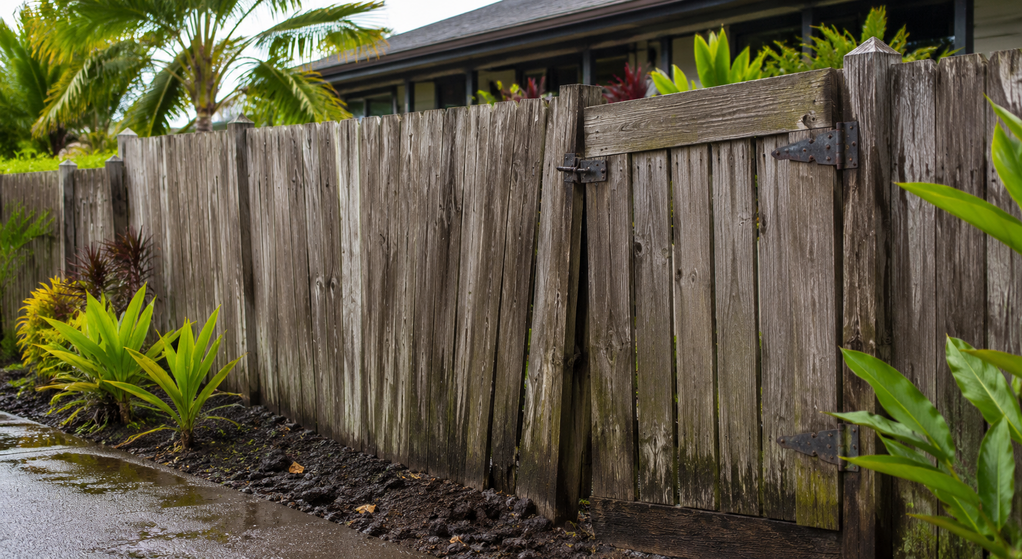
If you’ve ever owned a wooden fence in Hawaiʻi, you know the routine: sanding, sealing, painting, and hoping the next rainy season doesn’t undo all your effort. With vinyl fencing, maintenance is almost nonexistent.
A simple rinse with a hose or gentle soap solution is enough to remove dirt, dust, and bird droppings. The color is baked into the material during manufacturing, so it never needs repainting. This not only saves time but also money on long-term upkeep, a significant factor for island homeowners balancing utility bills and maintenance costs.
| Material | Maintenance Frequency | Typical Tasks | Long-Term Cost |
|---|---|---|---|
| Wood | Every 1–2 years | Sanding, sealing, painting | High |
| Metal | Every 2–3 years | Painting, rust treatment | Medium |
| Vinyl | Minimal | Hose rinse, occasional soap | Low |
Strength Meets Flexibility
Aside from the aesthetics, a fence in Hawaii needs to endure strong trade winds, tropical storms, and occasional heavy rain. Unlike brittle materials that crack under pressure, vinyl fencing has a built-in flexibility that allows it to absorb impact and wind without snapping.
With secure posts and footings, which are essential steps on uneven island terrain, a vinyl fence can last decades. Many reputable local installers back their work with warranties of ten years or more, showing how confident they are in vinyl’s long-term strength.

Environmentally Friendly Choice for Island Living
While vinyl is synthetic, its durability makes it surprisingly eco-friendly. Because it lasts so long and requires no toxic stains or sealants, it creates less environmental waste than wooden fences that need constant chemical treatment and replacement.
In fact,
our Hawaii fencing experts provide vinyl fencing systems that are even recyclable at the end of their lifespan, contributing to a circular material economy. In a state where people take sustainability seriously, choosing vinyl aligns perfectly with Hawaii’s broader environmental values.
Design Flexibility That Honors Local Style
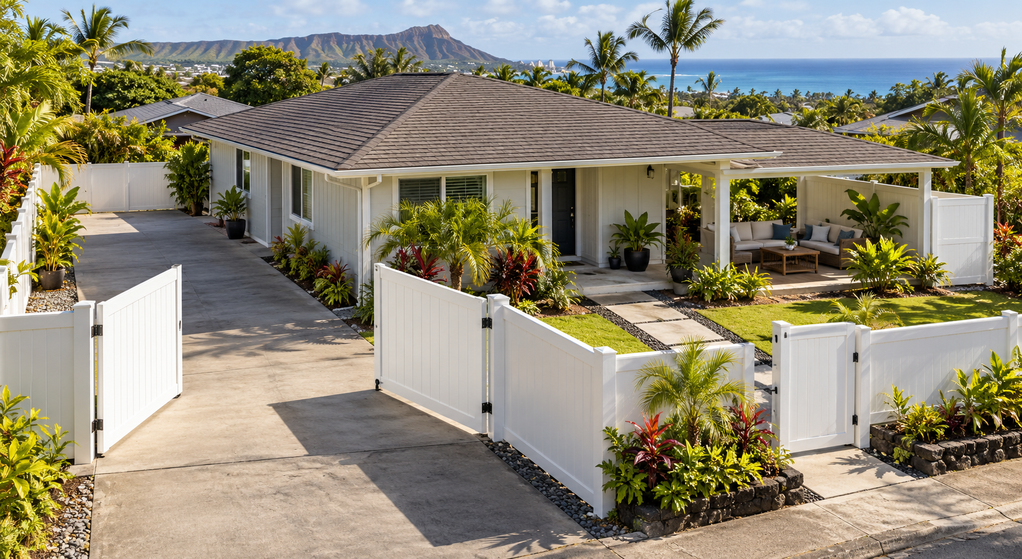
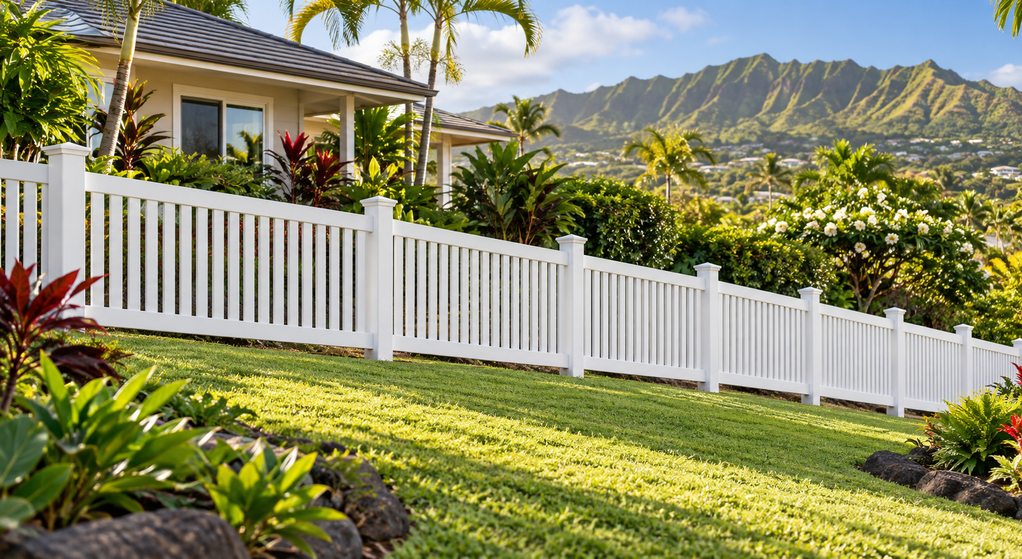
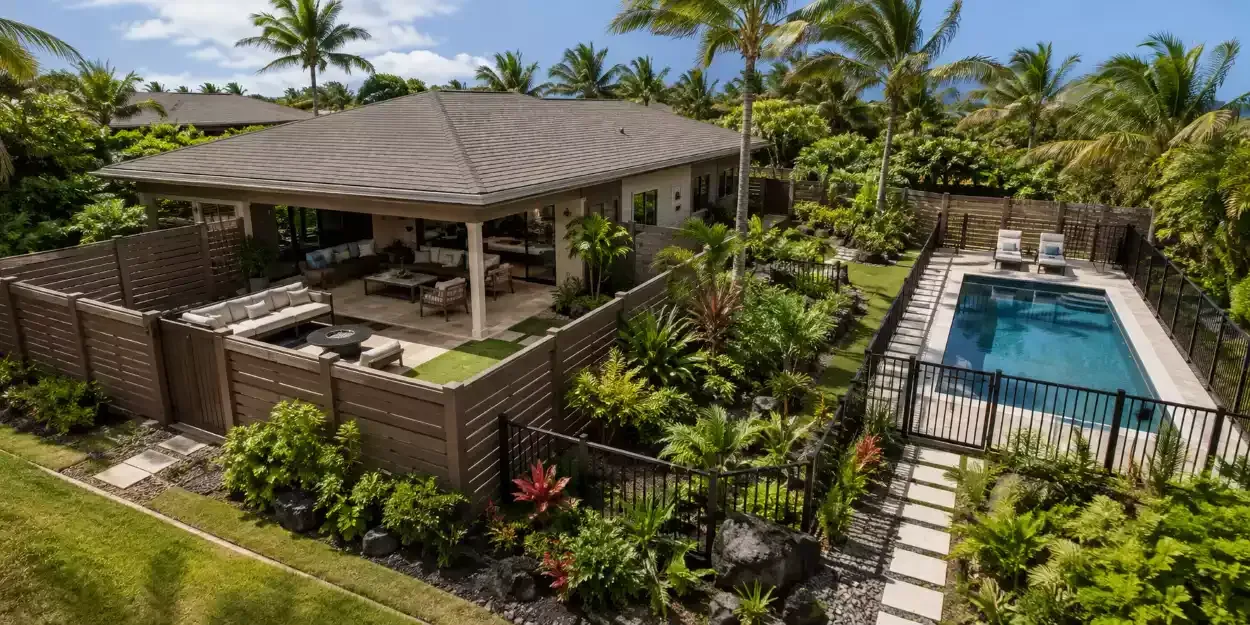
Modern vinyl fencing offers far more than the plain white panels of the past. Hawaii homeowners can now choose from a variety of island-inspired designs like bamboo-look patterns that complement tropical landscaping and modern horizontal slats for urban Honolulu properties.
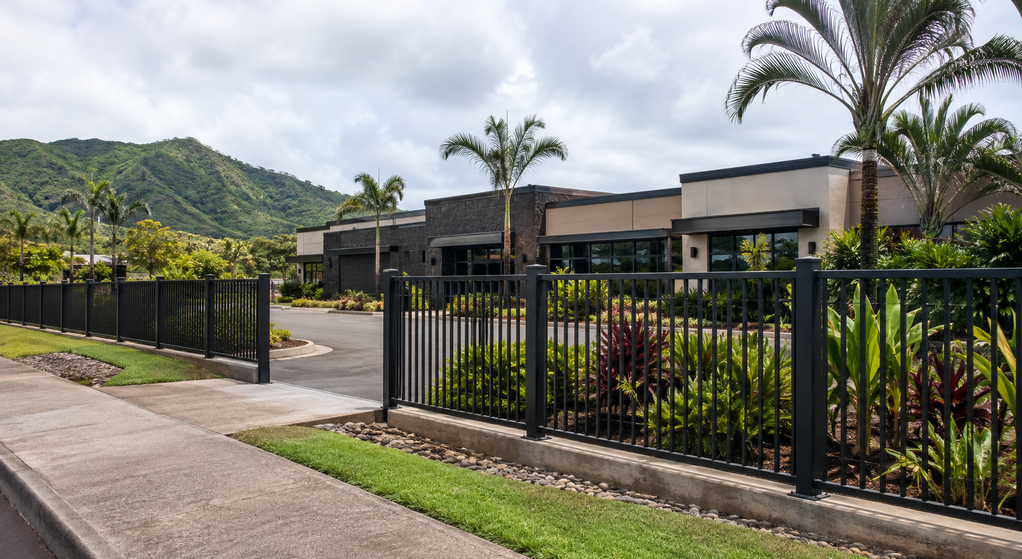
Vinyl can replicate wood grain, come in custom colors, and even include privacy or lattice tops that match the architectural character of your home. There’s a vinyl fence aesthetic to fit your home, whether you live in a classic plantation-style house or a sleek new build.
And because the material resists fading, your fence keeps that “freshly installed” look year after year, even under the Hawaiian sun.
Every home has its own character, and the color of your fence can bring that to life. Find out which shade captures the true spirit of island living.
Safety and Privacy Without Compromise
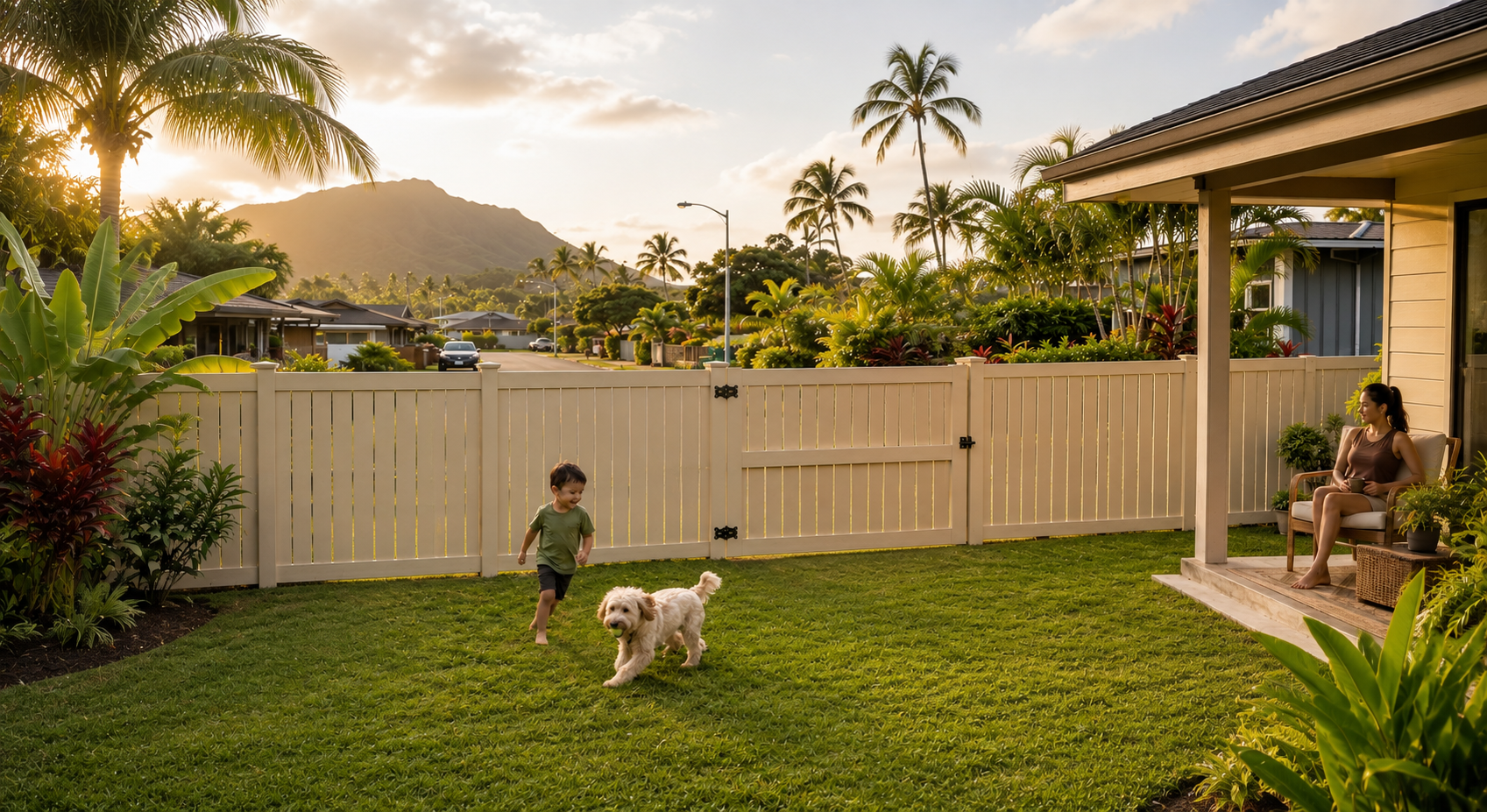
For families, vinyl fencing provides the peace of mind that comes with durable privacy and child-safe construction. The smooth, splinter-free surface is ideal for homes with keiki (children) or pets who play outdoors. Vinyl’s solid panels eliminate gaps, reducing visibility from the street while keeping your yard secure.
Homeowners in areas like Kapolei or Ewa Beach, where dense neighborhoods mean close neighbors, often choose vinyl privacy fences to create a quiet backyard oasis. The added security and noise reduction make a noticeable difference in daily comfort.

A Long-Term Investment That Adds Value
While vinyl fencing can cost slightly more upfront than wood, it pays for itself through reduced maintenance and replacement costs. Over ten to fifteen years, most homeowners find that vinyl becomes the more economical choice.
Beyond cost savings, a clean, modern vinyl fence adds curb appeal and can even increase property value, which is a meaningful benefit in Hawaii’s competitive real-estate market. Potential buyers often view durable fencing as a mark of care and quality.
Vinyl fencing offers many advantages, but it’s worth knowing all the details before you decide. Explore an in-depth look at its strengths and limitations to make the most informed choice for your home.
Installation Matters
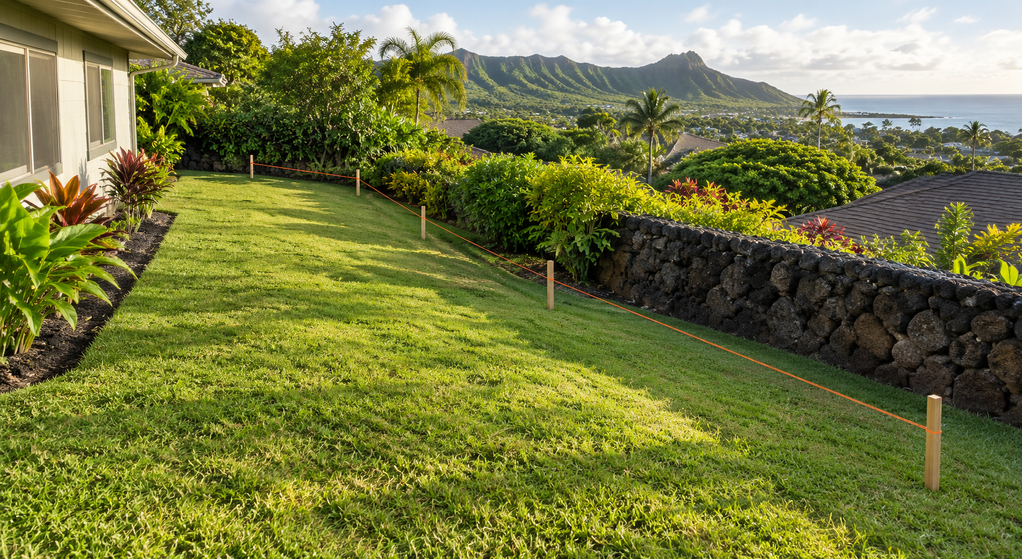
Vinyl’s performance depends heavily on how well it’s installed, especially in Hawaii’s varied soil conditions. The volcanic substrate of Oahu differs drastically from the sandy soils of Maui or the wetter ground on the Big Island. That’s why it’s essential to work with a local fencing professional who understands the terrain and weather patterns.
Experienced installers ensure each post is anchored deep enough and every panel is properly aligned to resist wind pressure. They can also guide homeowners in choosing colors and designs that complement local architecture.
With the right materials in place, it’s time to think about design. Find inspiration in modern Hawaiian fence styles that balance clean lines, coastal charm, and everyday practicality.
Why Vinyl Is the Future of Hawaii Fencing
In many ways, vinyl fencing represents the evolution of building traditions in Hawaii, combining modern materials with local wisdom. It respects the islands’ natural beauty by reducing maintenance waste and enhancing neighborhood aesthetics through clean, lasting design.
If you are a homeowner who wants a balance of durability, beauty, and aloha spirit, vinyl fencing should be on your list. It’s a smart, sustainable, and stress-free way to protect your property and your peace of mind. Reach out to local fencing professionals who can guide you toward the right style, height, and finish for your property.