How to Separate Tenant Areas With Fences and Gates on Hawaii Properties
Summary
Separating tenant areas works best when fences define private space without interrupting shared access. On Hawaii properties, plan routes to entrances, parking, laundry, and utilities before choosing panels or gates. Match privacy to actual sightlines, keep escape routes usable, and document who can access and maintain each area.
A yard divided evenly on paper can still function poorly. One tenant may need to cross another household’s patio to reach the laundry, while a new gate may open into the only walkway. Effective separation starts with how residents use the property throughout the day.
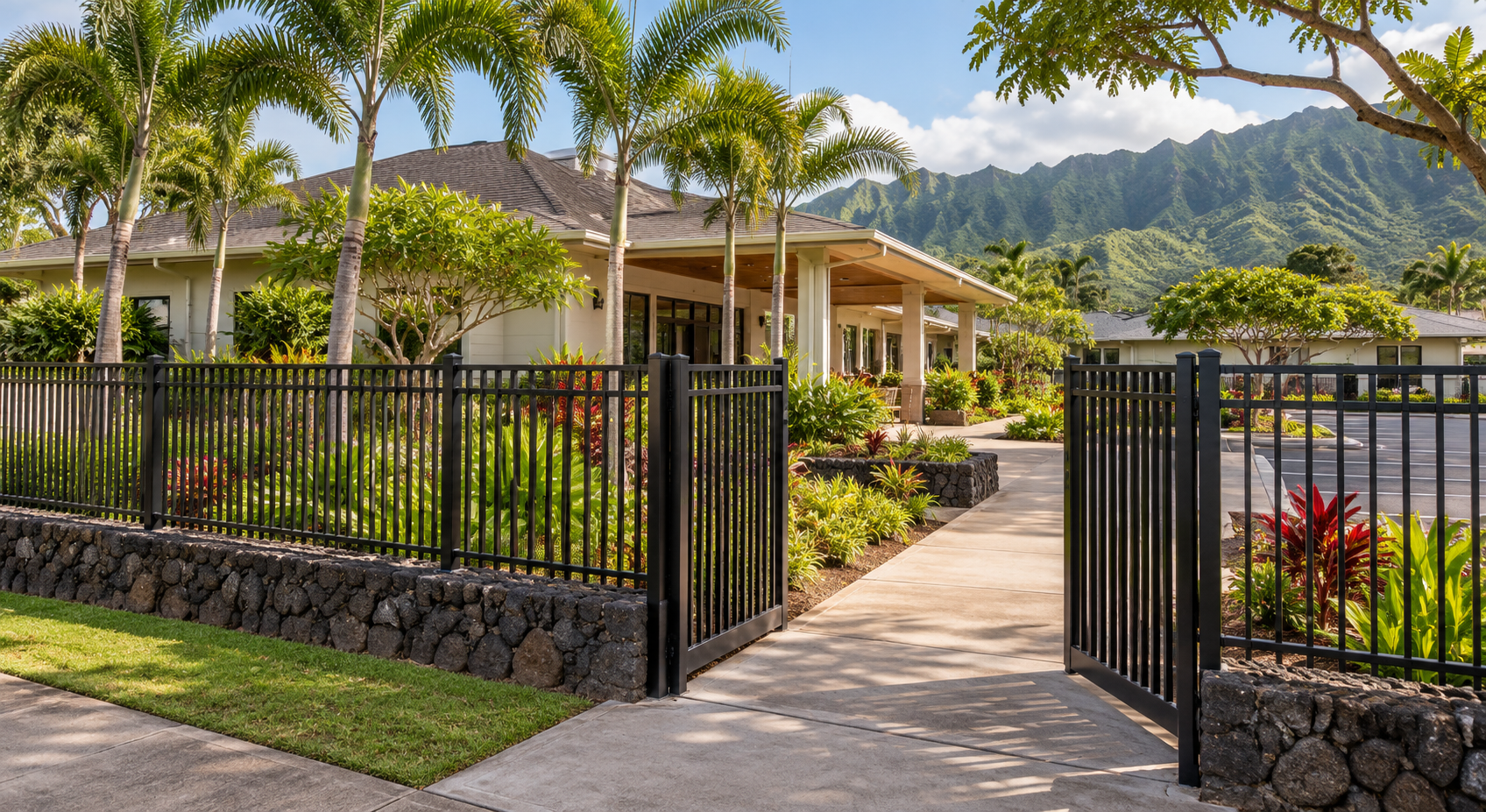
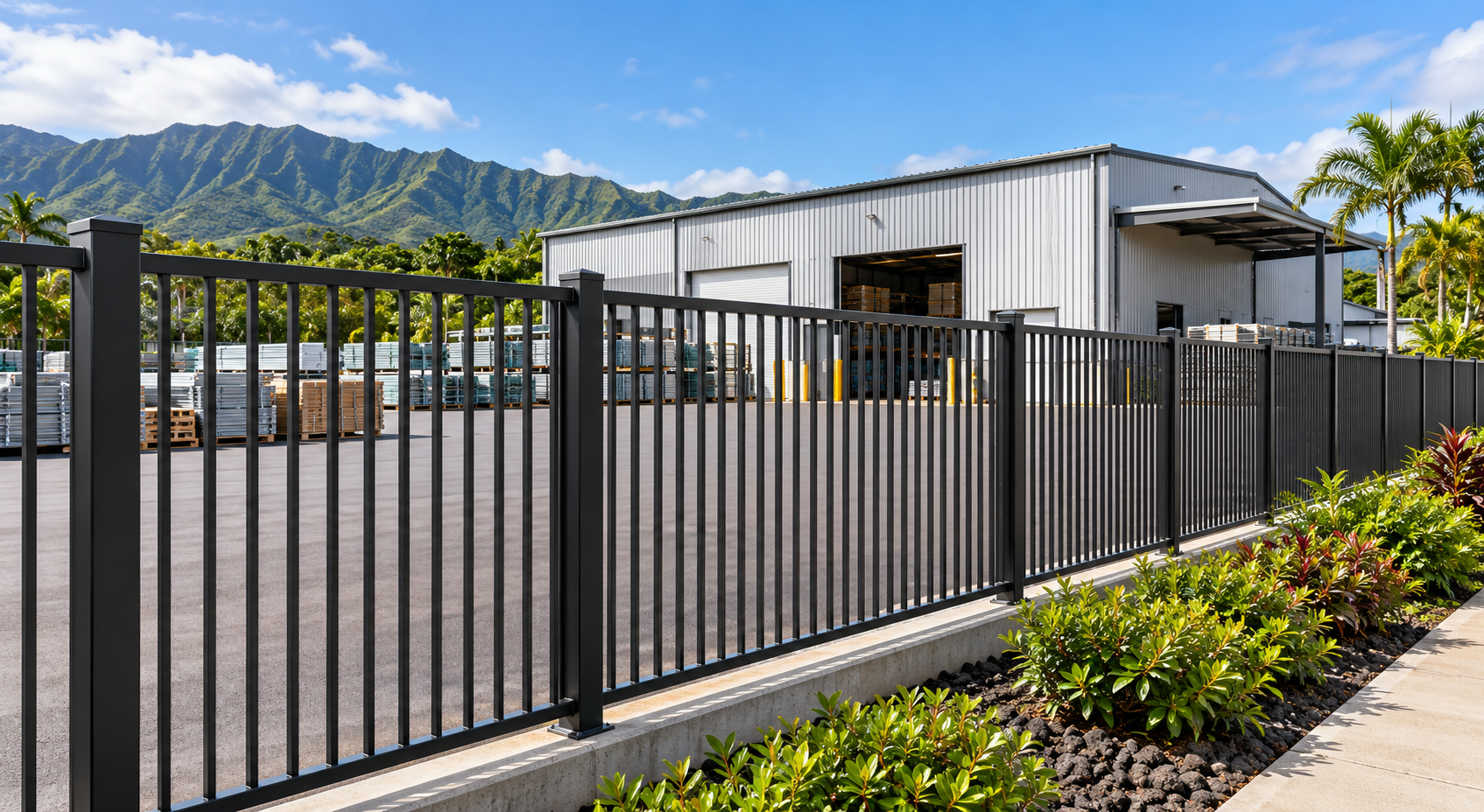
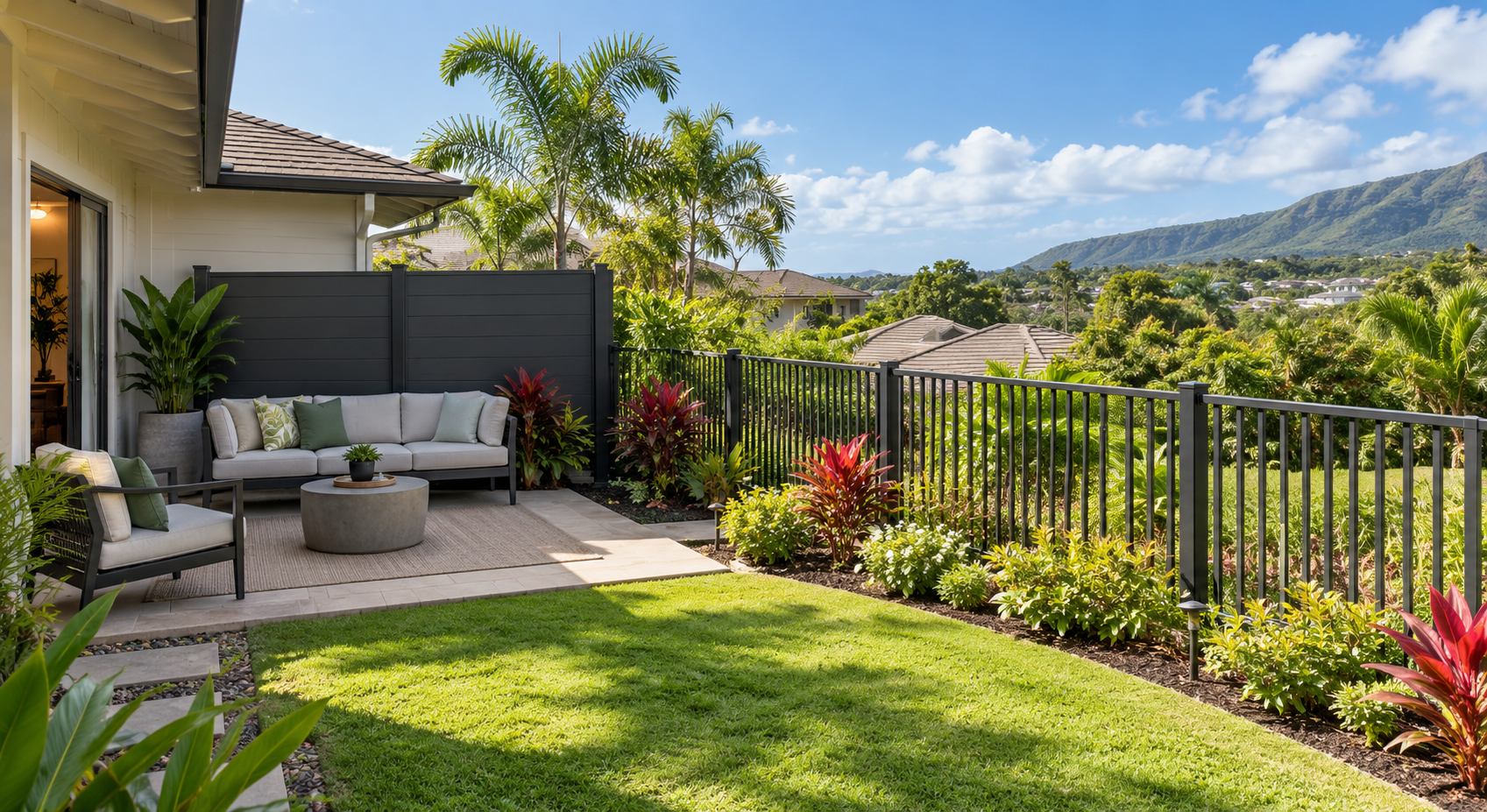
For owners comparing aluminum fencing and gate installation options in Hawaii, the first decision is whether each boundary needs visibility, privacy, or controlled entry. Different sections may need different treatments.
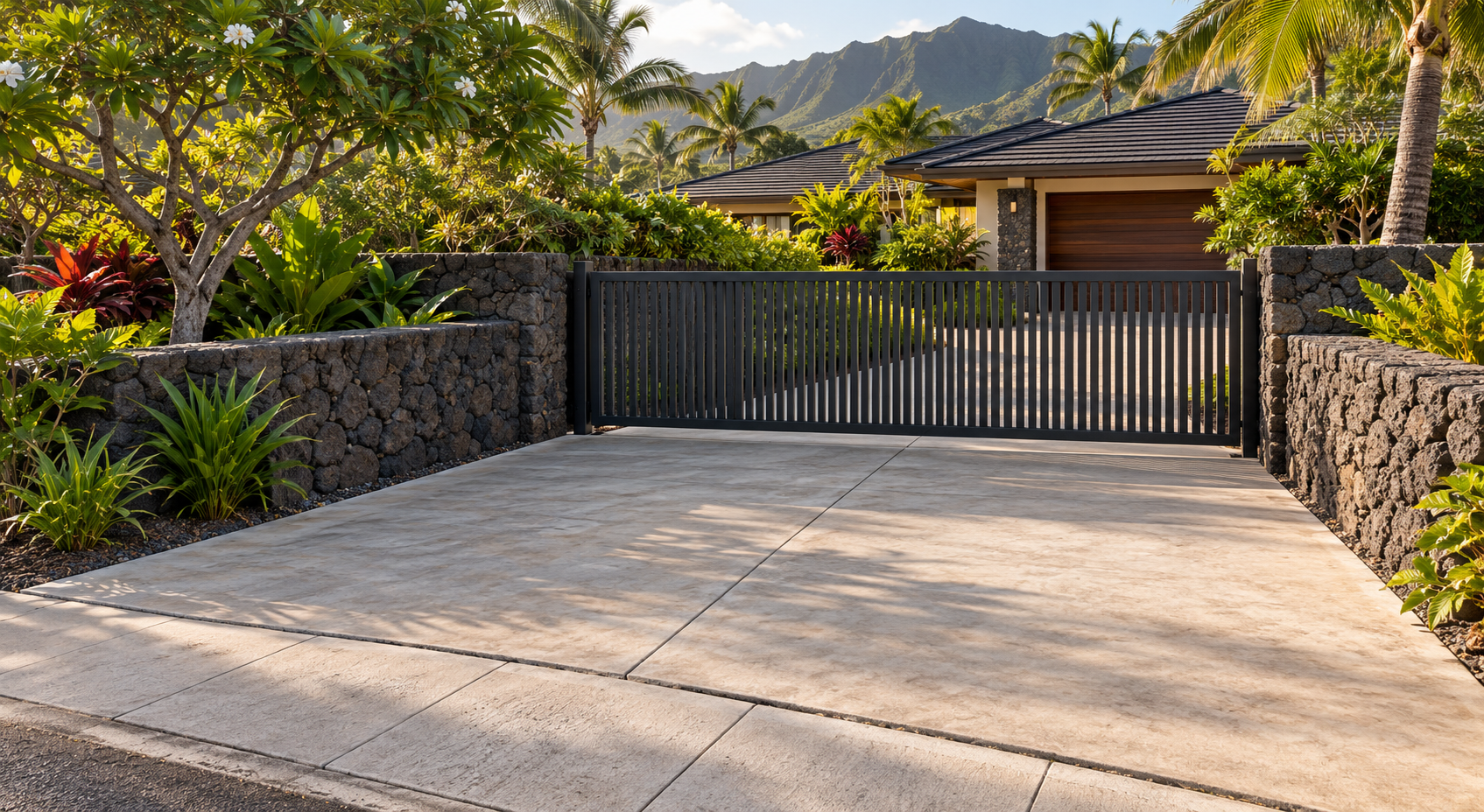
Sunset Hawaii Fencing Company offers aluminum fencing in open and privacy styles, along with gates. Choosing among them becomes easier once the access plan is clear.
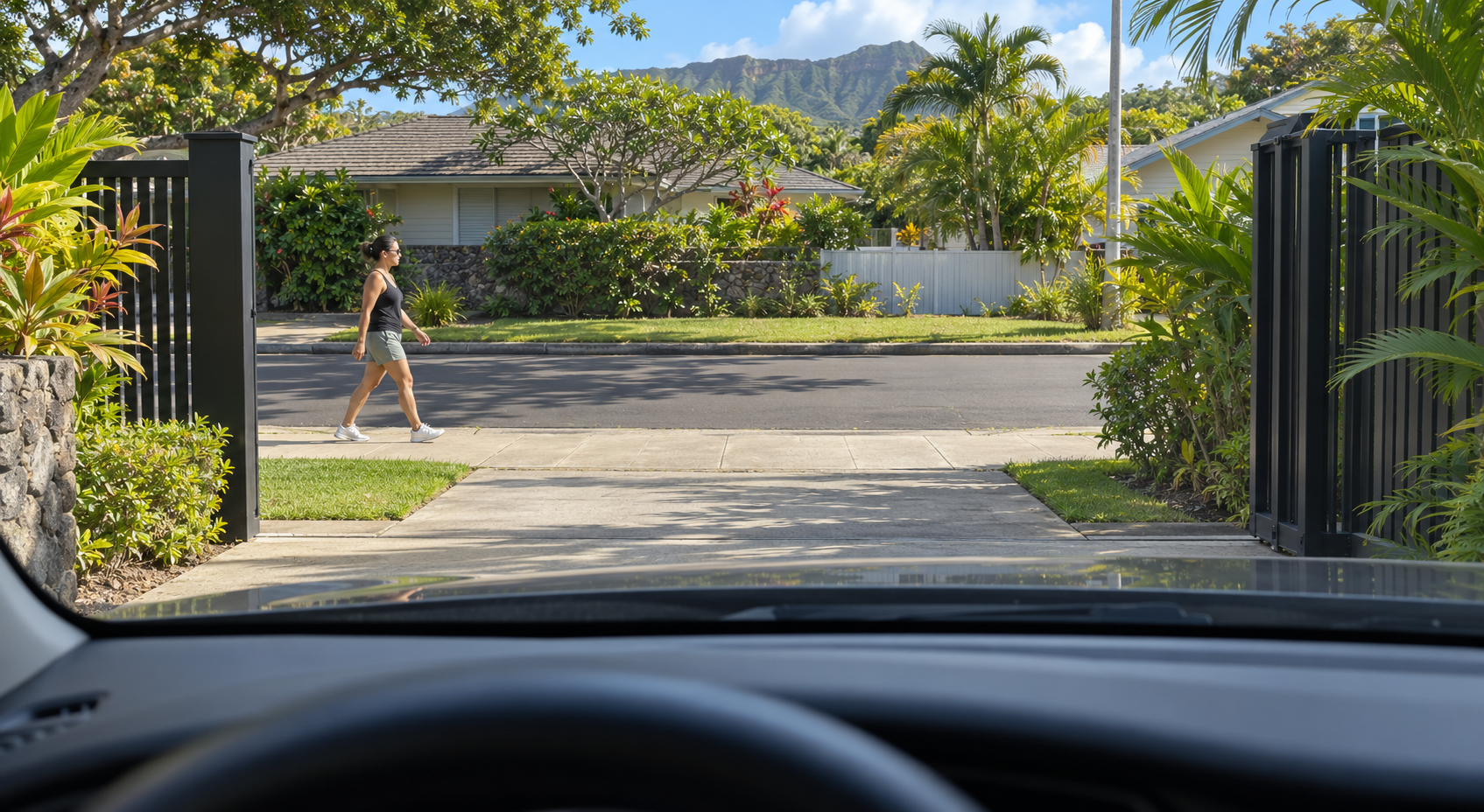
The principles in planning a fence around driveways, walkways, and outdoor living areas in Hawaii help connect the tenant boundary to the surrounding circulation space. Check the usable passage with gates open, bins in position, and vehicles parked normally.
The guide to gate installation tips for maximizing privacy in dense Oahu neighborhoods expands on placing screening where nearby homes and entrances create direct views.
Define What Each Household Gets to Use
Draw a simple site plan showing each entrance, assigned parking space, outdoor seating area, and storage location. Label spaces as private, shared, or reserved for service access. Avoid vague labels such as “backyard” when two households use different parts of it.
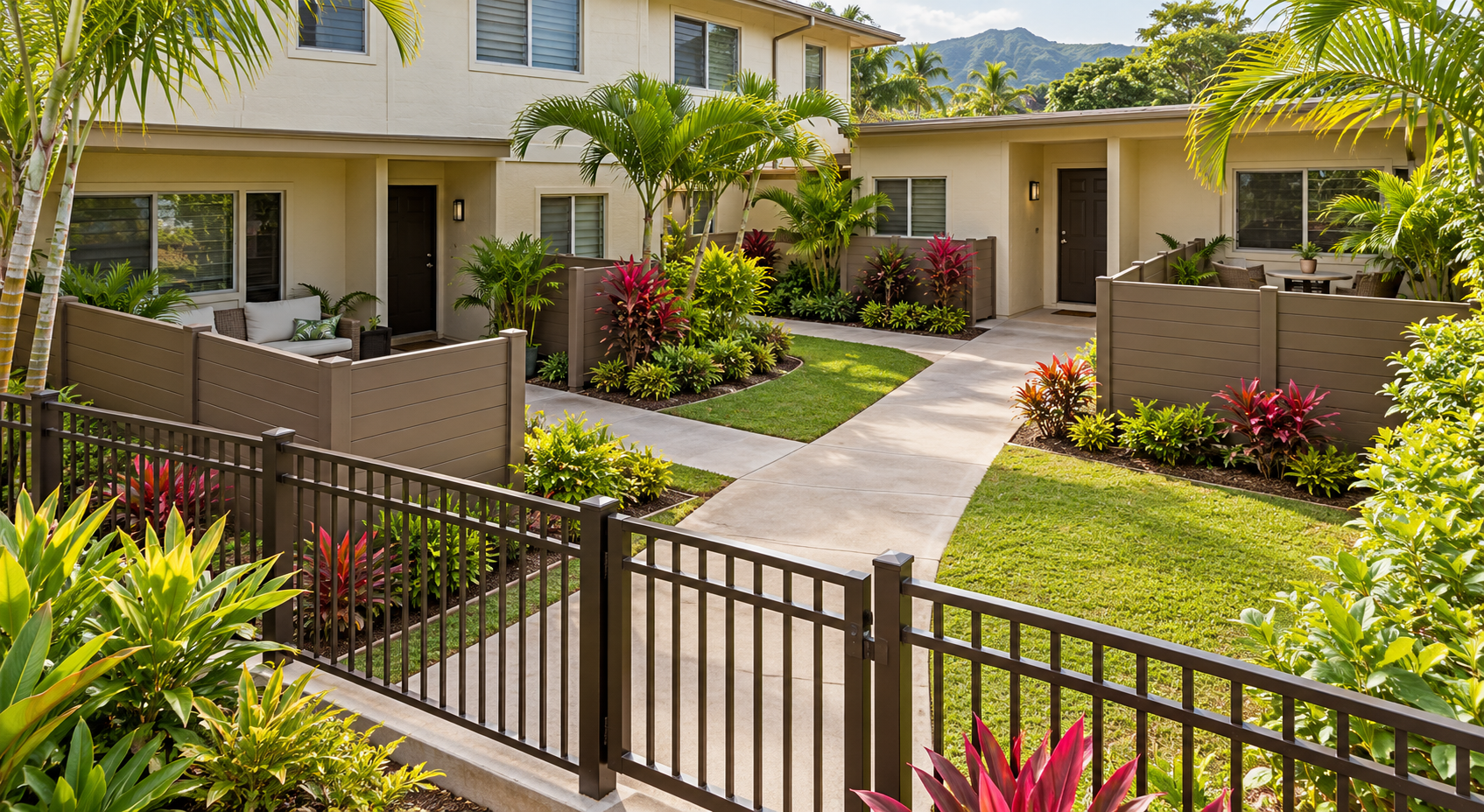
For example, two units might each have a private sitting area while sharing a side passage to laundry and rubbish bins. In that arrangement, gates from the shared passage into each private yard may work better than a gate connecting the yards directly.
Review the proposed layout against existing rental arrangements before ordering materials. Discuss any change that would remove access to a space residents currently use. A fence can make an arrangement visible, but it cannot resolve an unclear agreement by itself.
Keep Shared Routes Outside Private Enclosures
Trace the journey from each parking space to its unit entrance. Repeat the exercise for laundry, bins, mail, bicycle storage, and any shared garden. Look for places where a resident would need another tenant’s permission or key to complete an ordinary task.
Keep frequently used shared destinations
accessible from a common route wherever
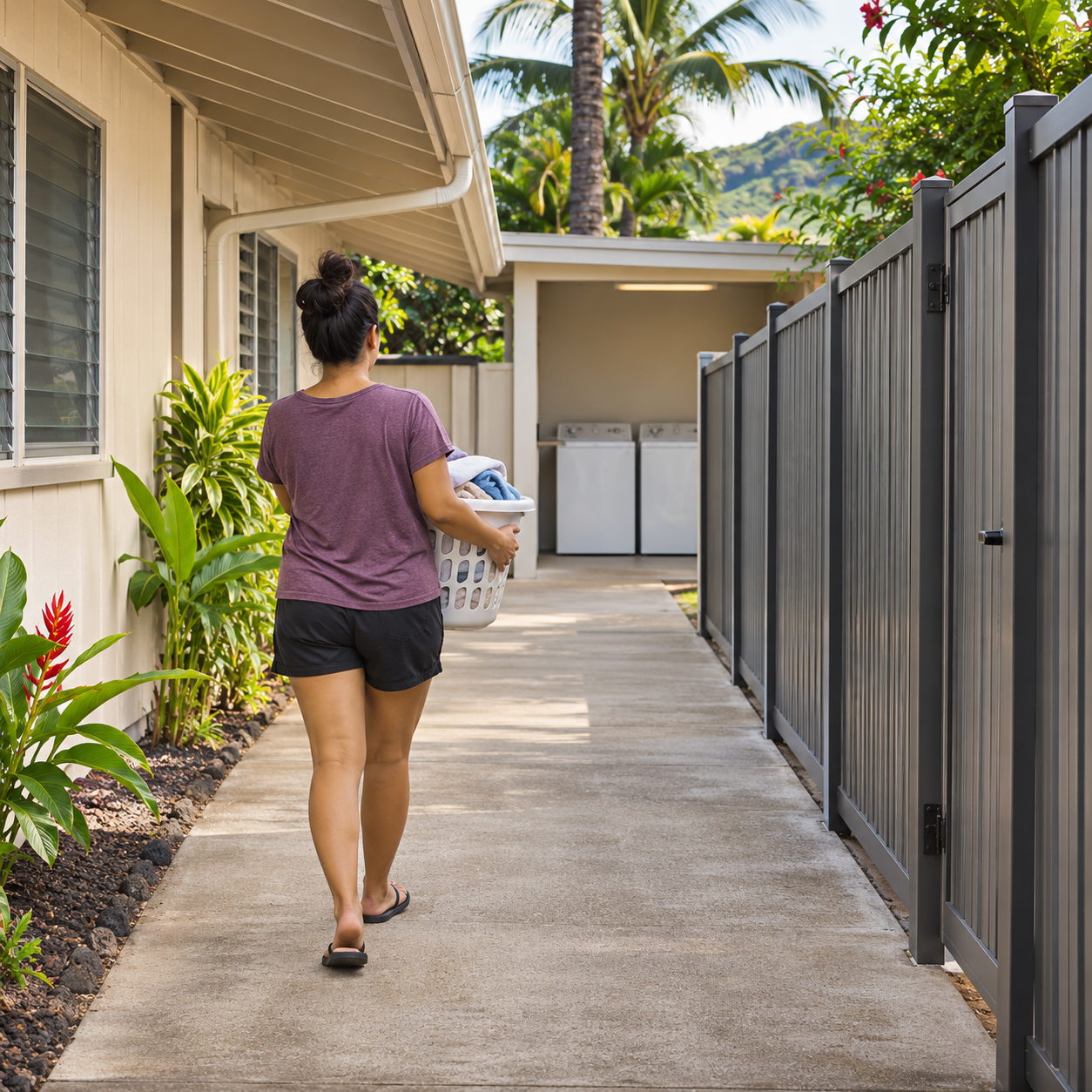
practical. Utility meters, shutoffs, and equipment also need deliberate access planning. Placing them inside a private enclosure can complicate routine servicing.
Do not judge clearance only by whether one person can squeeze through. Test the route with the items residents actually move, such as a stroller, laundry basket, or rubbish bin.
Preserve a Way Out Before Adding Locks
Security decisions need to account for people leaving as well as entering. Trace the outdoor route from each unit’s doors and potential escape windows to a safe meeting place. A newly enclosed yard should not become a dead end behind someone else’s locked gate.
The U.S. Fire Administration’s home fire escape planning guidance recommends identifying two ways out of every room and keeping doors and windows unobstructed. Include the proposed fence in that planning exercise rather than stopping the sketch at the building wall.
Have the installer confirm the applicable exit and gate-hardware requirements for the specific property before selecting locks. Also check project-specific permit and access requirements before construction. A residential divider, a pool barrier, and a gate serving multiple dwellings should not be treated as interchangeable designs.
Put Privacy Where the Sightlines Require It
Stand at each entrance and sit where residents would use their outdoor furniture. Check views toward neighboring windows, clotheslines, and seating areas. This reveals where screening would make a meaningful difference.
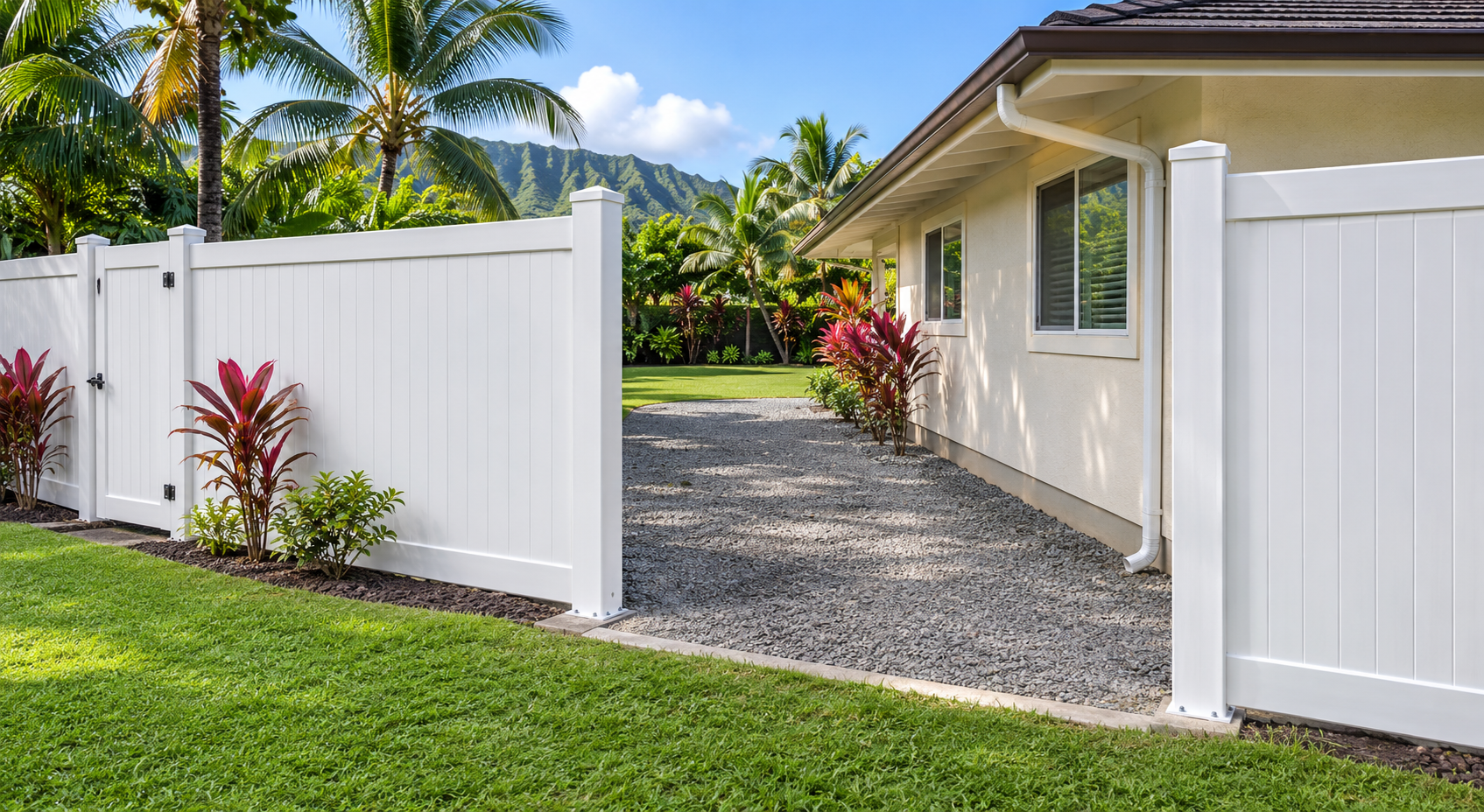
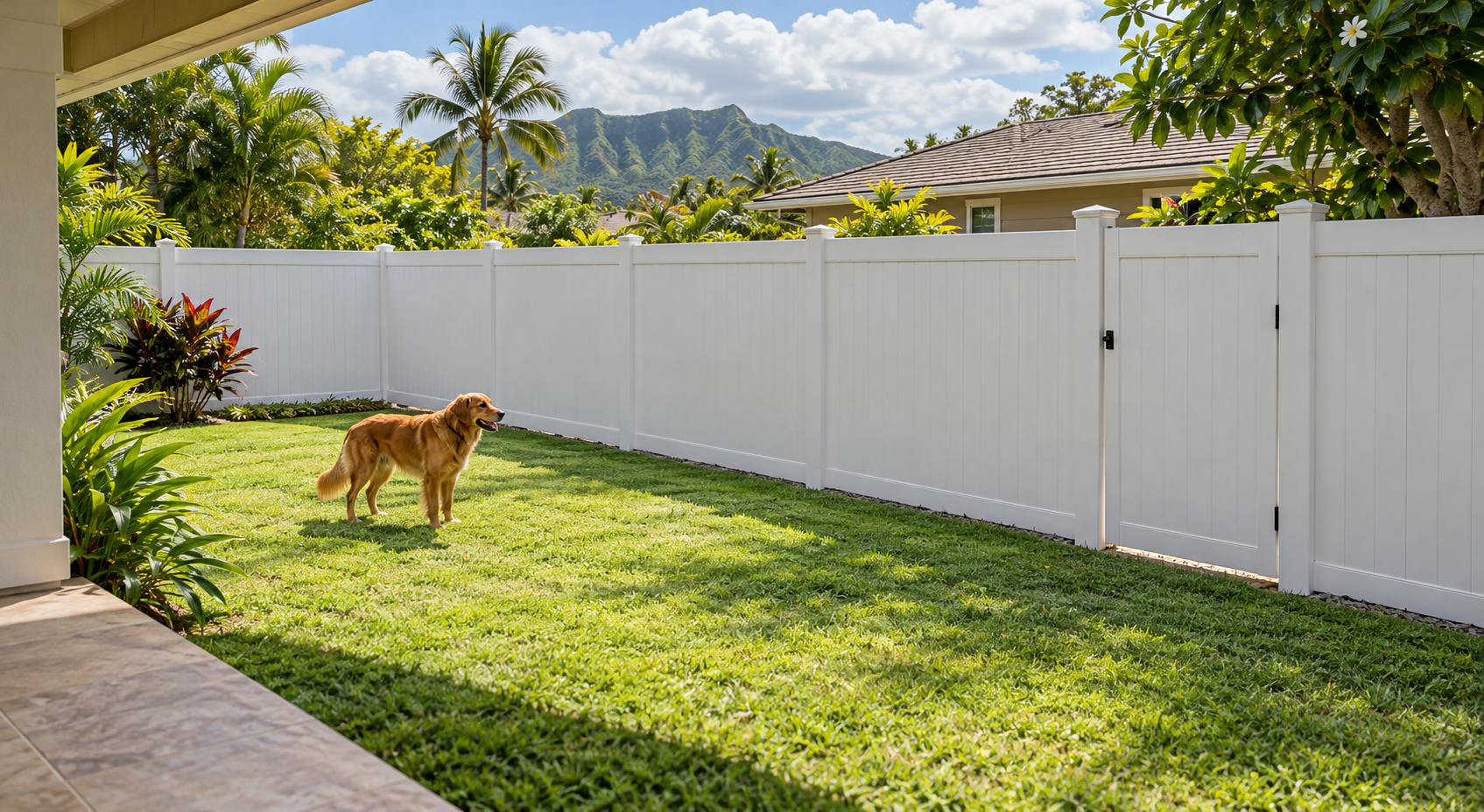
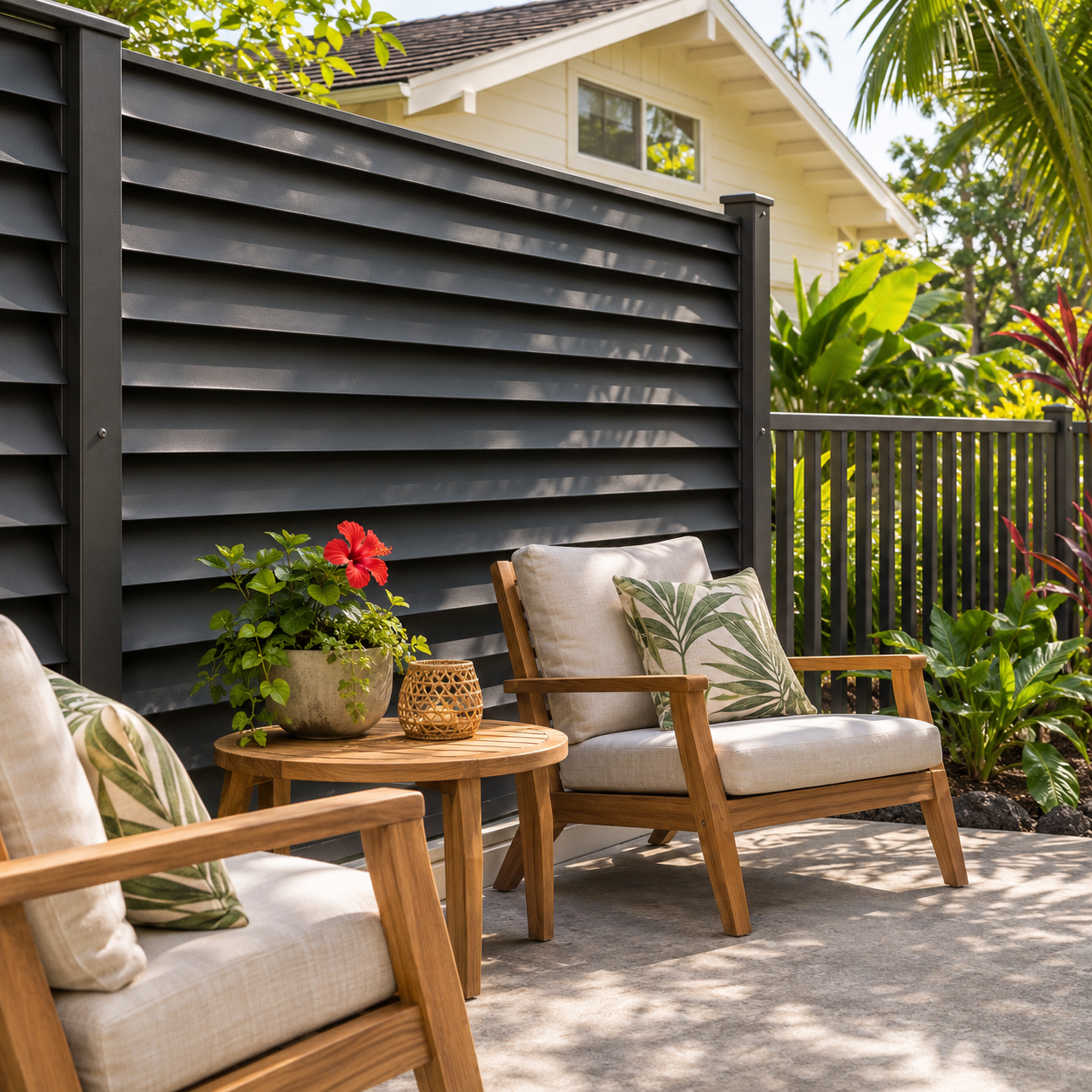
Open picket fencing can define a tenant boundary while preserving views through it, but it does not screen a patio. Solid or louvered
sections may suit selected locations. For louvers, inspect a sample from both directions because visibility changes with the viewing angle.
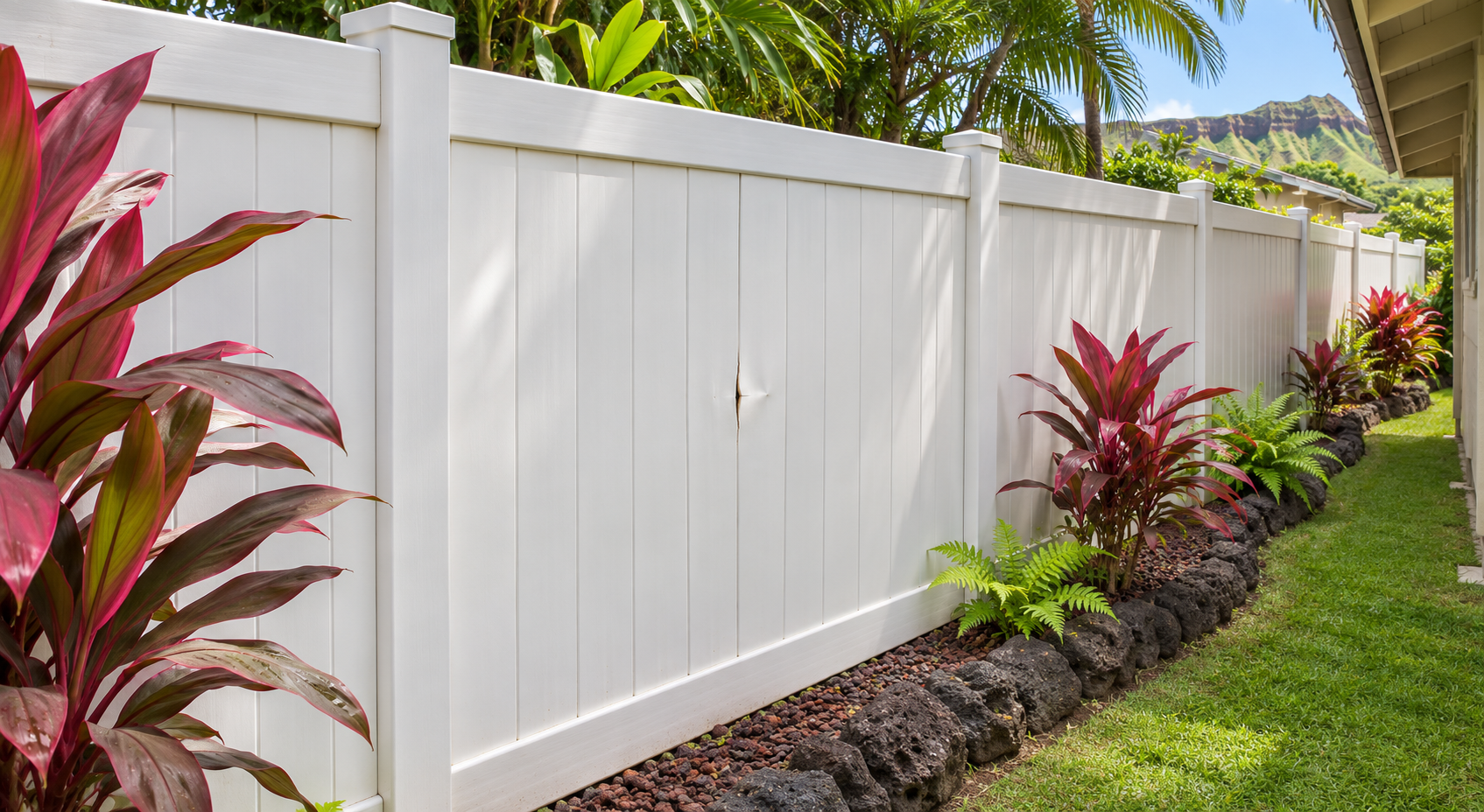
Avoid specifying solid panels everywhere simply for consistency. On an exposed Oahu site, ask the installer to assess the proposed panel style, posts, and support together. Keep drainage paths visible in the plan, and request coating and hardware specifications appropriate to the property’s coastal exposure.
Make Daily Gate Use Predictable
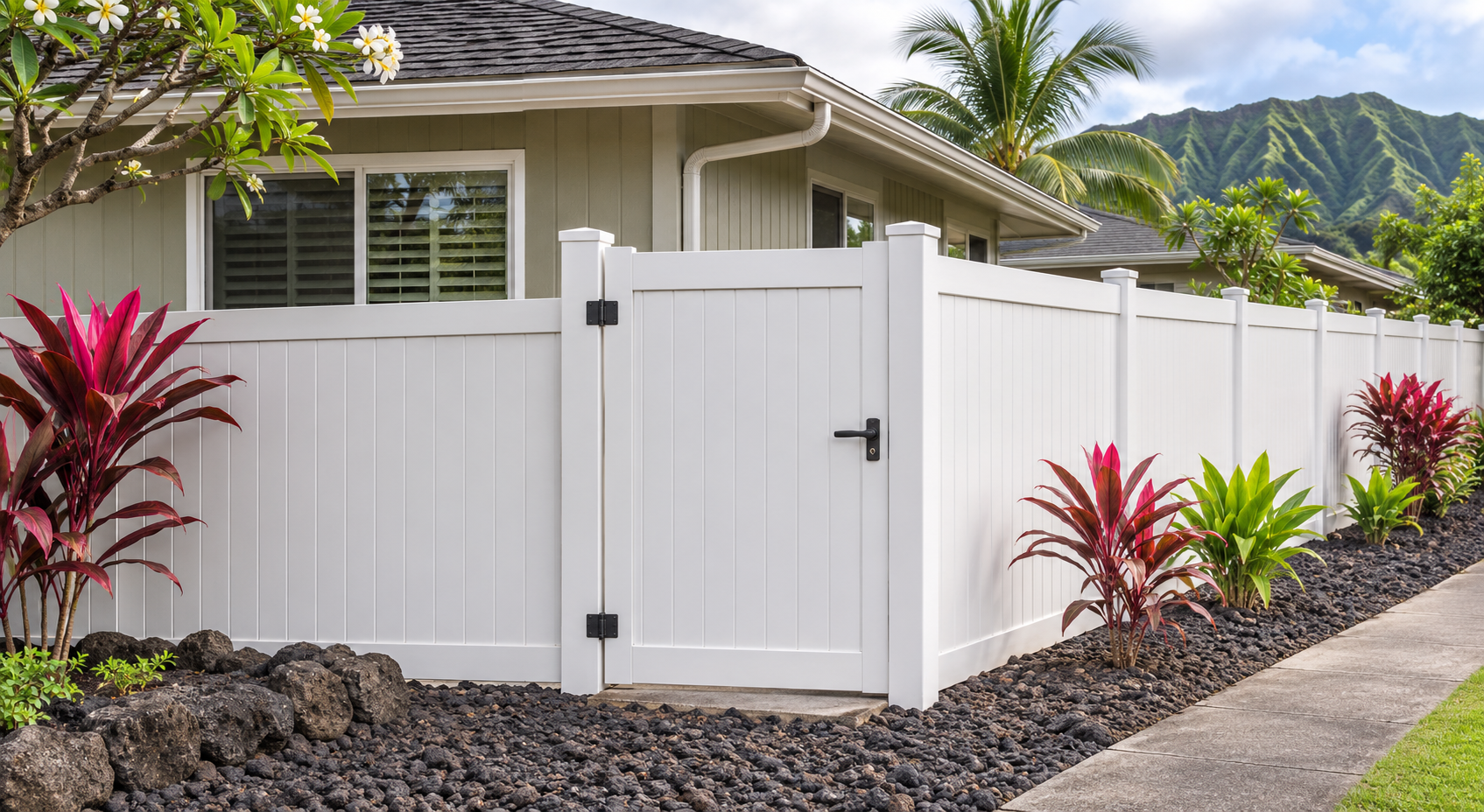
Give each gate a clear purpose: private-yard entry, shared passage, or maintenance access. Too many gates create more keys, latches, and opportunities for confusion.
Mark the full swing on the ground. Check that the leaf clears steps, slopes, parked cars, and nearby doors. Consider where a resident stands while opening it with groceries or a mobility aid. If the gate serves a pet enclosure, assess gaps beneath it across its entire travel.
Agree on who receives each key or code, who handles lost access, and who reports a sticking latch. Label shared entrances clearly enough that visitors do not repeatedly enter a private yard. Where gates sit close to bedrooms, discuss closing noise and suitable hardware before installation.
Test the Arrangement Before Setting Posts
Use temporary markers to walk the proposed boundaries with the people who use the property. Rehearse arriving home, taking bins out, reaching shared facilities, and bringing maintenance equipment through.
Then request a drawing and written scope identifying private areas, common routes, gate swings, clear openings, hardware, and service
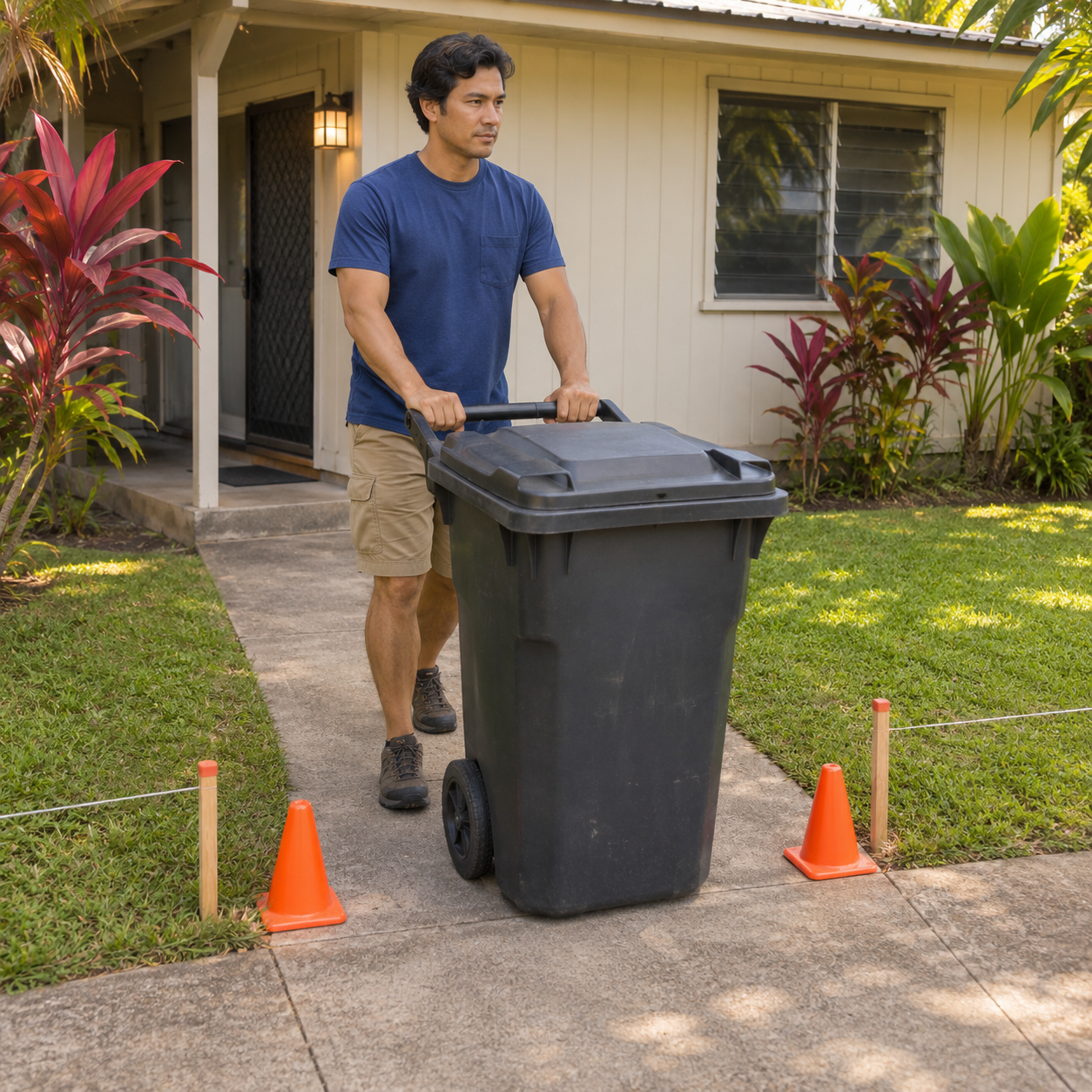
access. Record maintenance responsibilities alongside the access arrangement.
A successful tenant divider gives each household understandable boundaries while keeping everyday movement straightforward. Finalize those relationships first; the fence and gate selections should follow them.

written by
Kurt Manalastas
Property Security & Exterior Improvement Journalist
Kurt creates research-based content focused on fencing solutions, property security, and outdoor boundary improvements. By combining industry best practices, material insights, and practical property protection strategies, he helps homeowners and business owners make informed decisions about building safer, more secure, and visually appealing outdoor spaces.