How a New Fence Can Improve Your Hawaii Home
Home Upgrade Snapshot
A well-planned fence can improve a Hawaii home by adding privacy, safer boundaries, stronger curb appeal, and more useful outdoor living areas. The best results come from choosing materials, gate locations, post support, and fence styles that match the property’s wind exposure, terrain, drainage, and maintenance needs
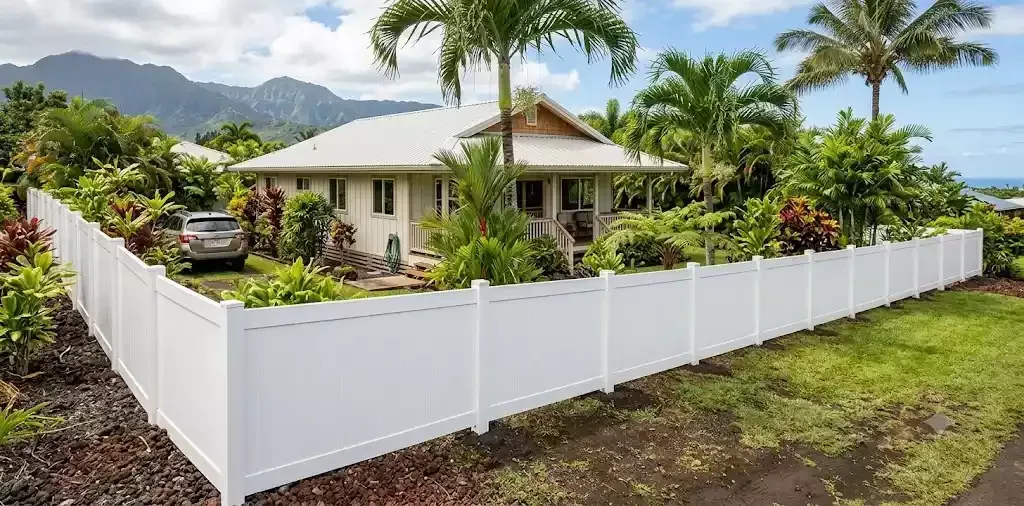
A new fence can change how a Hawaii home looks, feels, and functions. Outdoor spaces feel more organized, and property boundaries become clearer. Hawaii’s climate makes fence planning more demanding than it appears. Salt air, strong sun, trade winds, heavy rain, and uneven terrain affect long-term performance. For many homeowners, vinyl fence installation in Hawaii is practical because vinyl resists moisture, does not rust, and needs less routine maintenance than several traditional materials.
A Fence Should Improve Daily Use First
Based on years of islandwide work, Sunset Hawaii Fencing Company has seen that the most successful fences are planned around the homeowner’s routine.
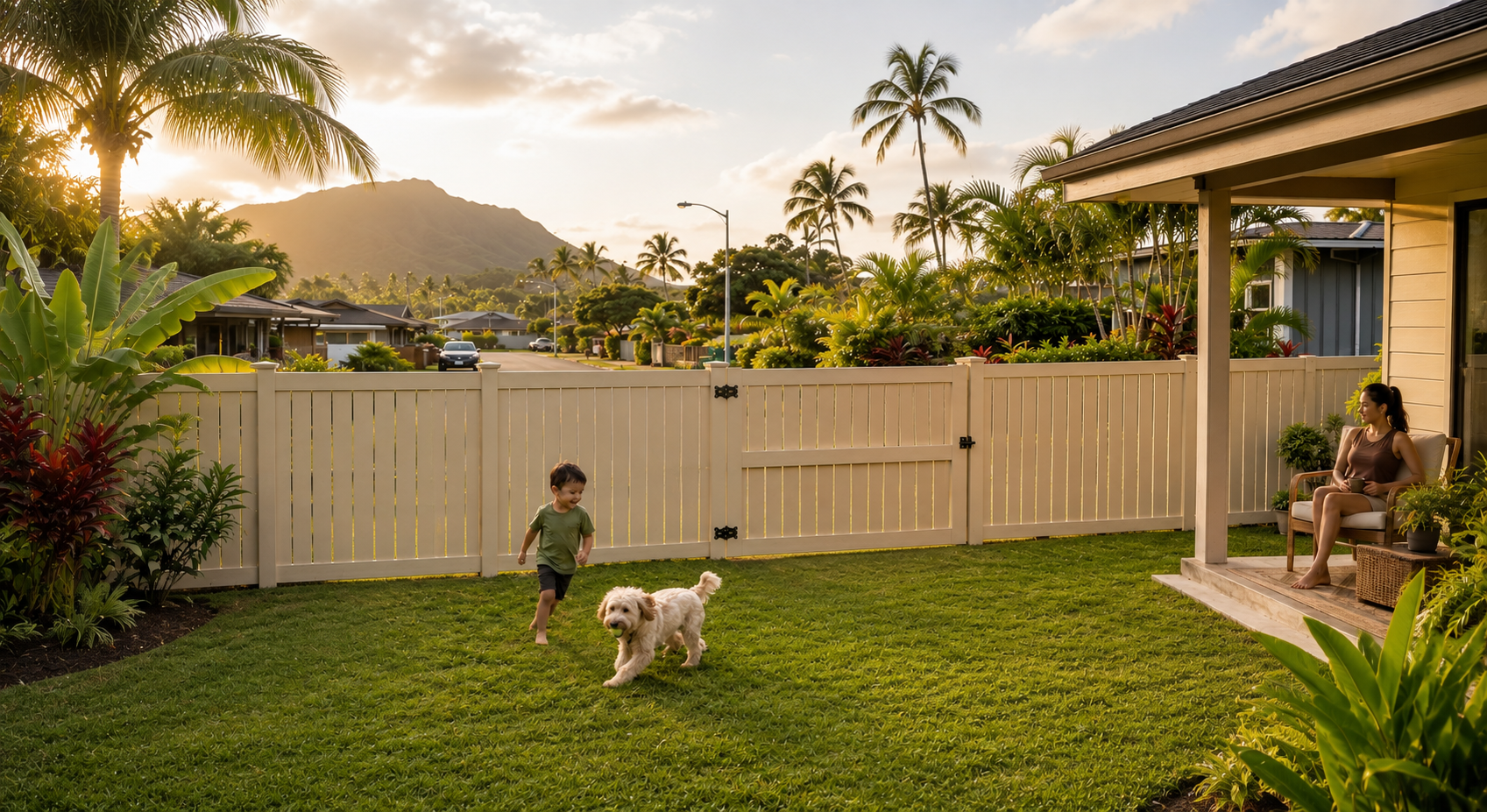
A fence may need to contain pets, screen a lanai, protect a play area, reduce views from a road, or separate parking from the yard. These goals should guide the height, layout, gate placement, and level of privacy.
A fence that creates narrow walkways, blocks useful breezes, or makes access difficult can quickly become frustrating. Before choosing a style, homeowners should identify where privacy is needed, how people enter the property, and whether maintenance equipment must pass through the yard.
Better Privacy Without Closing In the Yard
Privacy is one of the strongest reasons to install a fence in Hawaii, especially where homes and lanais sit close together. A solid vinyl fence can limit direct sightlines and make a patio, pool area, or backyard more comfortable.
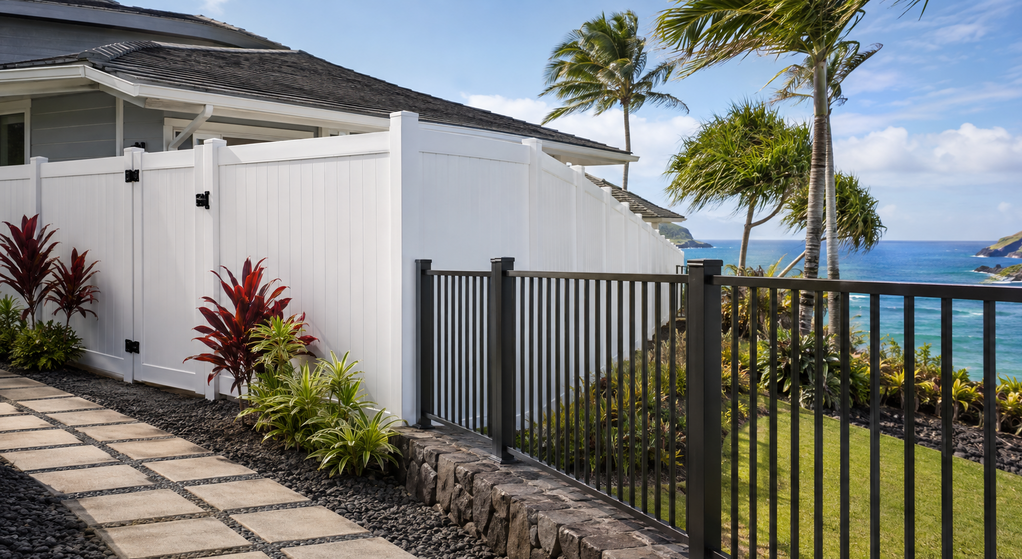
Complete enclosure is not always the best choice. Solid panels catch more wind and may reduce airflow. Semi-private designs, lattice tops, or strategically placed sections can provide coverage while allowing some breeze through. The better decision is to match each section to the property’s exposure rather than use one design around the entire lot.
Stronger Security and Safer Boundaries
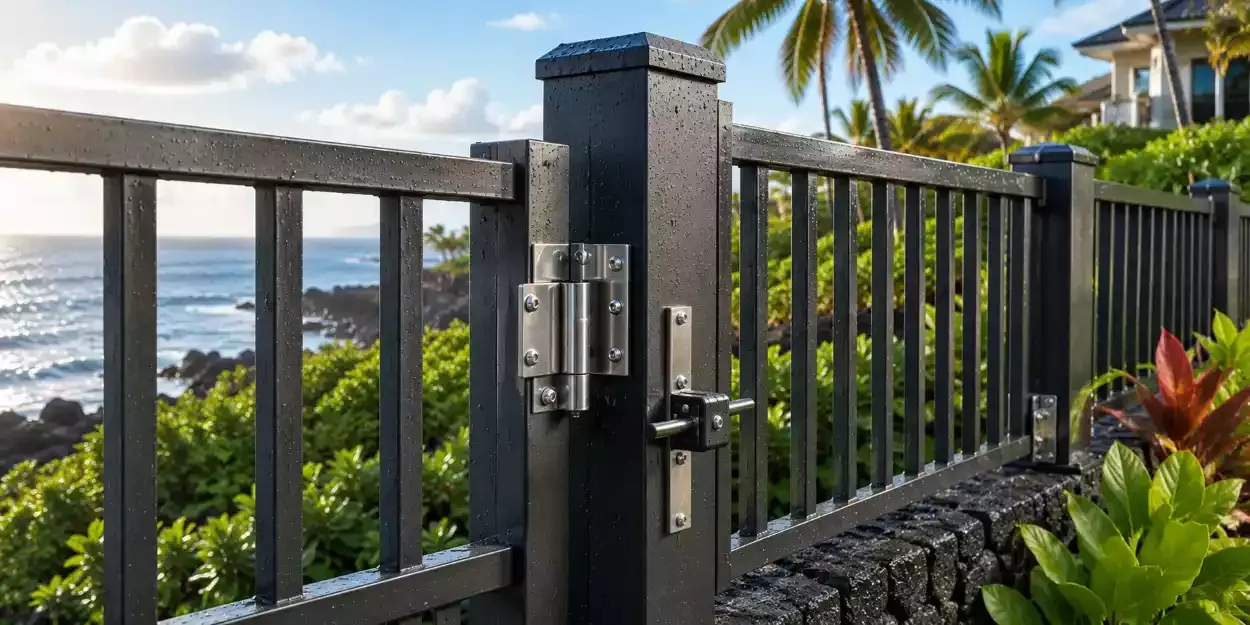
A fence creates a visible boundary that can discourage casual entry and help control access. Homes near busy roads or public paths may benefit from a defined perimeter and a properly placed gate. Homeowners interested in balancing style and security in gate design should consider both the fence layout and the gate's structural components during the planning stage.
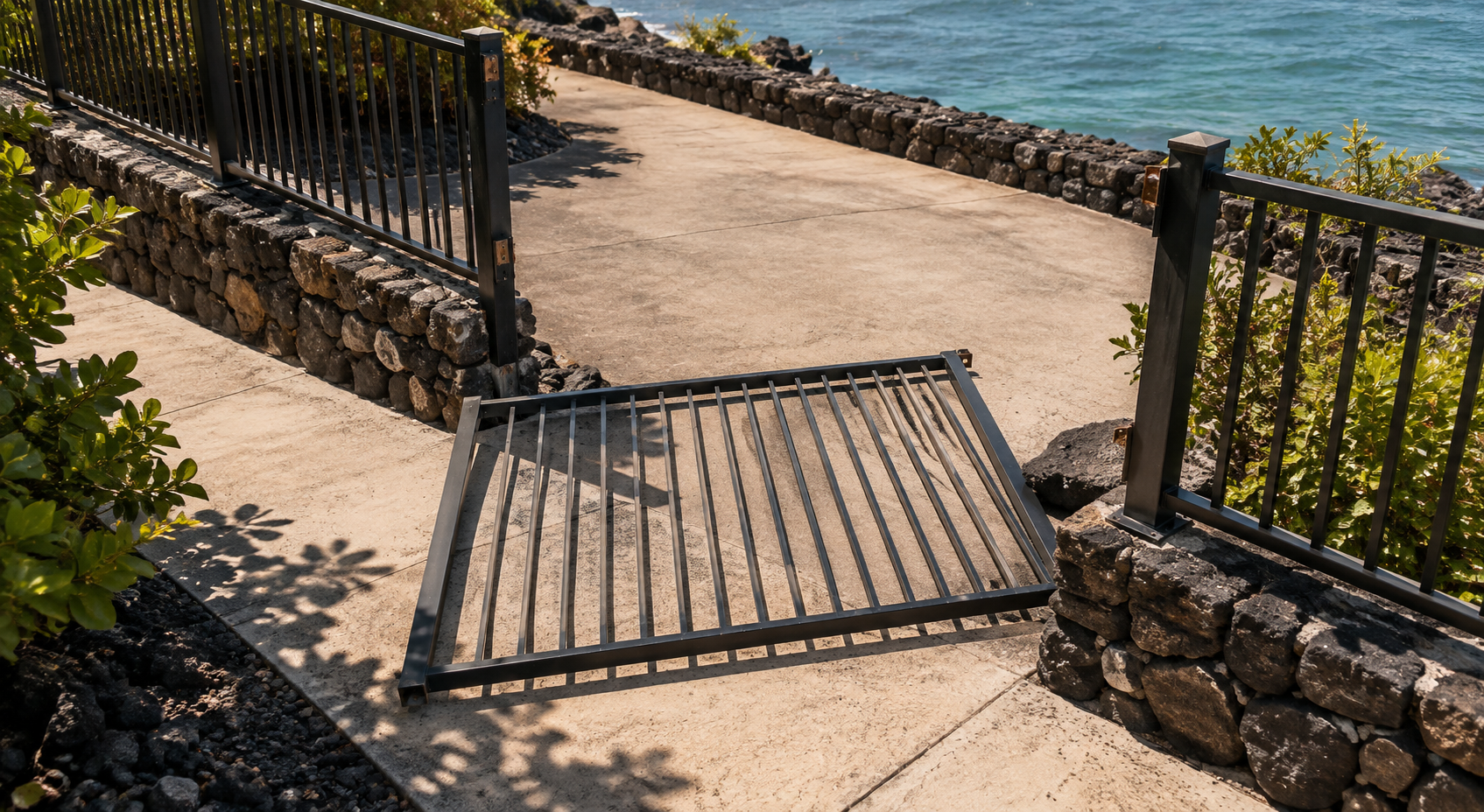
Families with children or pets also gain a more controlled outdoor area. Picket spacing, fence height, latch position, and gaps near the ground should be selected with safety in mind. A common mistake is focusing on panel style while overlooking the gate. Since gates receive frequent use, weak hinges, poor alignment, or an unstable post can become the first point of failure.
Improved Curb Appeal That Fits the Home
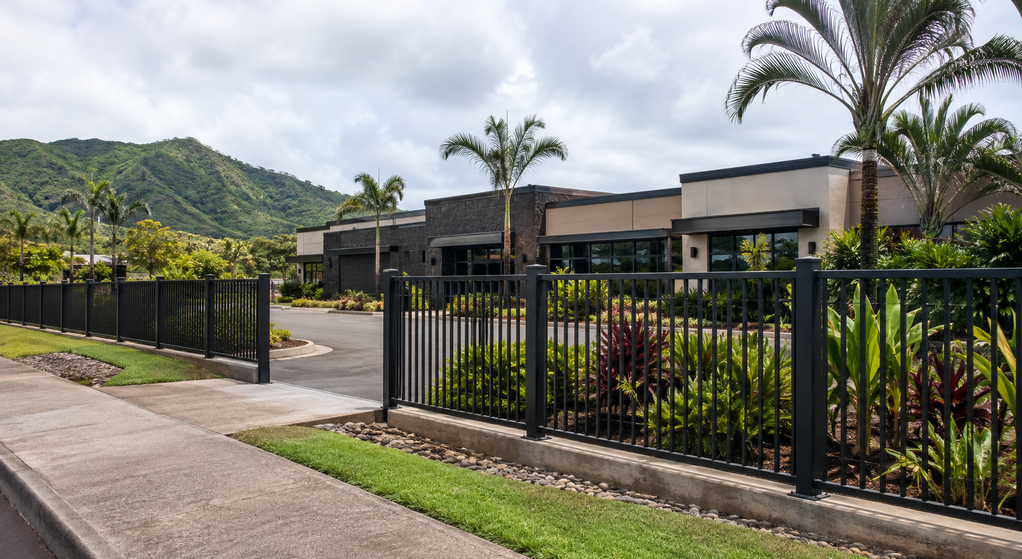
A new fence is often one of the first features visible from the street. Clean lines, level panels, and balanced proportions can make the property feel more finished. A fence that is too tall, poorly aligned, or mismatched with the house can overwhelm the landscape.
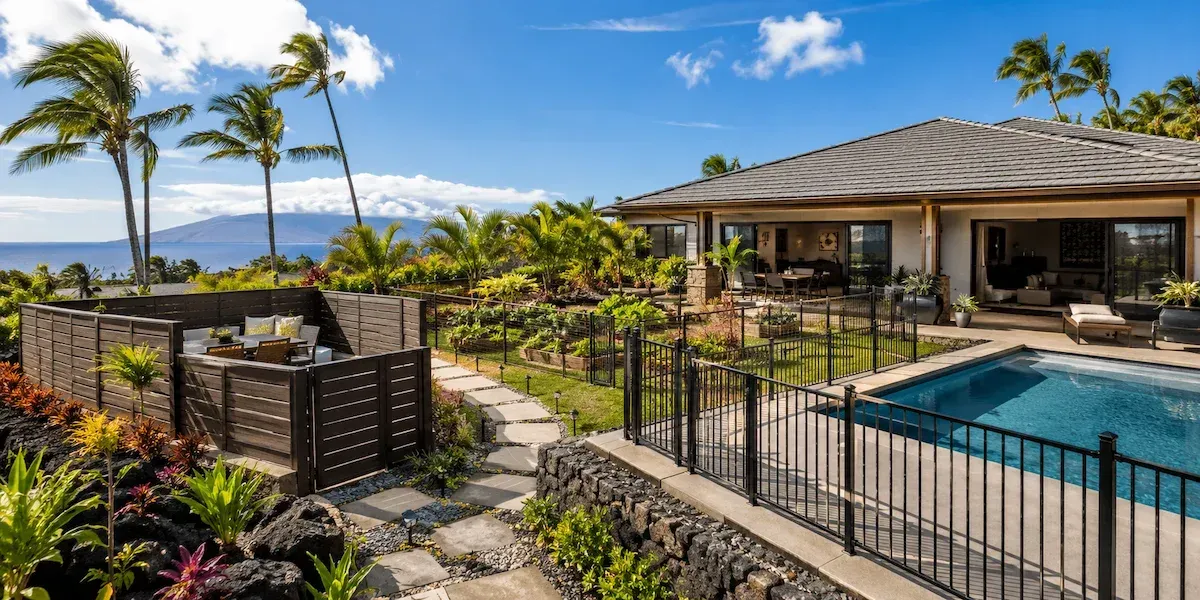
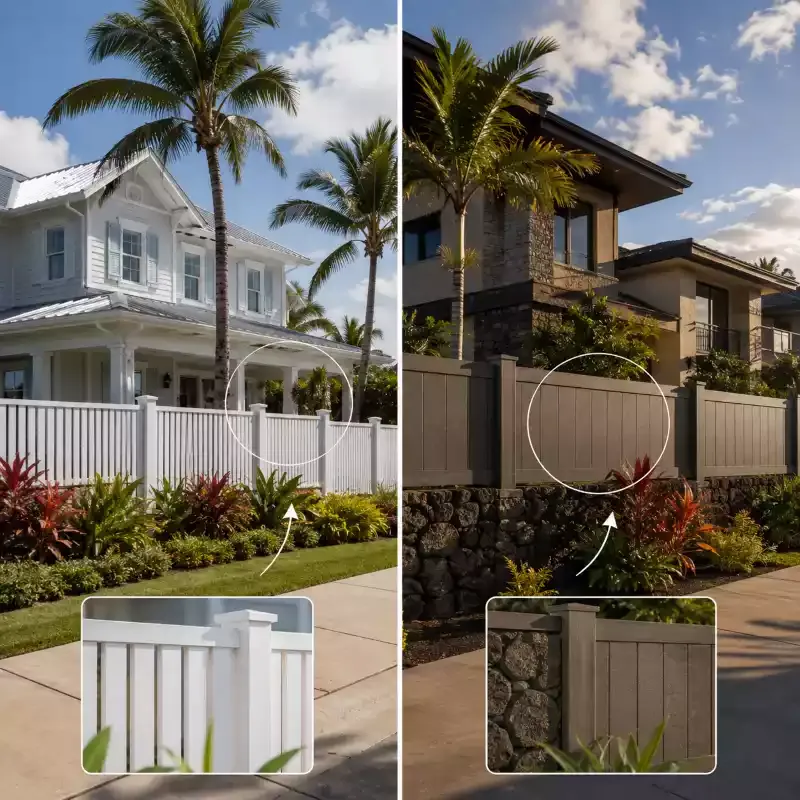
Hawaii homes range from plantation-inspired houses to modern builds and properties with rock walls. White vinyl may suit a bright coastal exterior, while tan, gray, or wood-look finishes may blend better with natural landscaping and masonry.
More Useful Outdoor Living Space
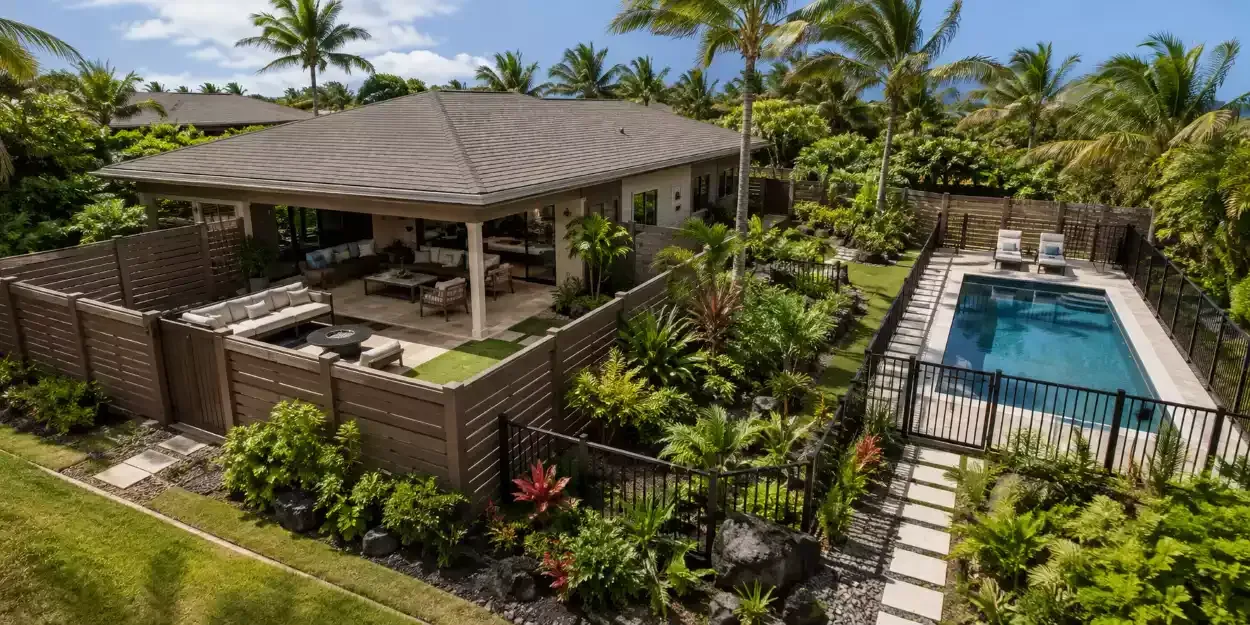
A well-placed fence can divide a property into practical zones. Homeowners may create a private dining area, separate a garden from a pet run, screen rubbish bins, hide utility equipment, or define a safe play area.
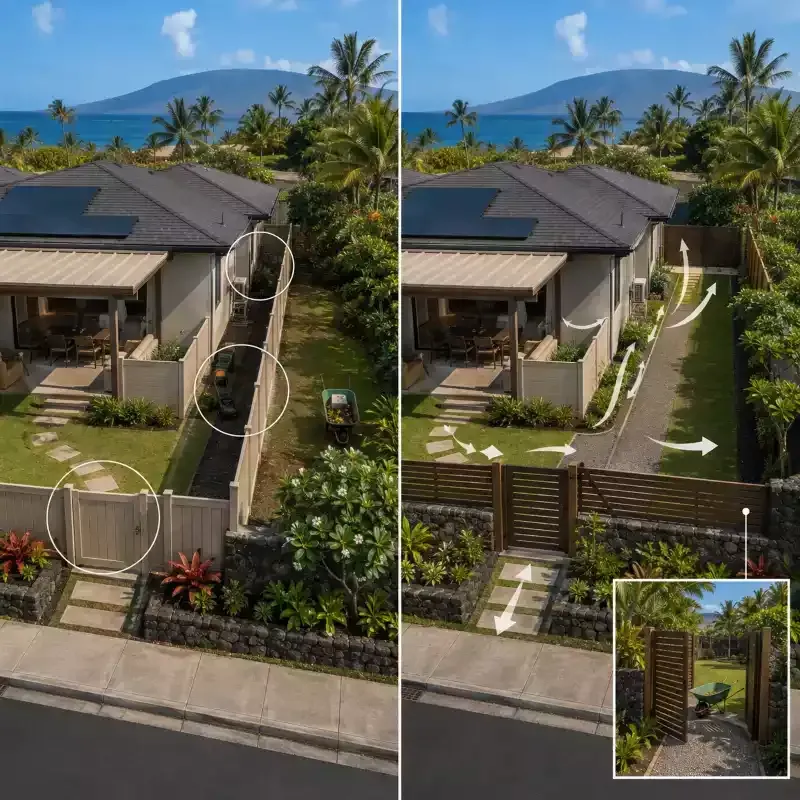
This is especially useful on smaller Oʻahu lots where every section of outdoor space needs a purpose. Poor placement can make a yard feel cramped, so the fence line should preserve walkways, avoid crowding doors or windows, and leave room for drainage and maintenance.
Gate width also matters. A pedestrian gate may handle daily use, but landscaping tools, rubbish bins, or future construction may require a wider opening.
Materials Must Match Hawaii’s Climate
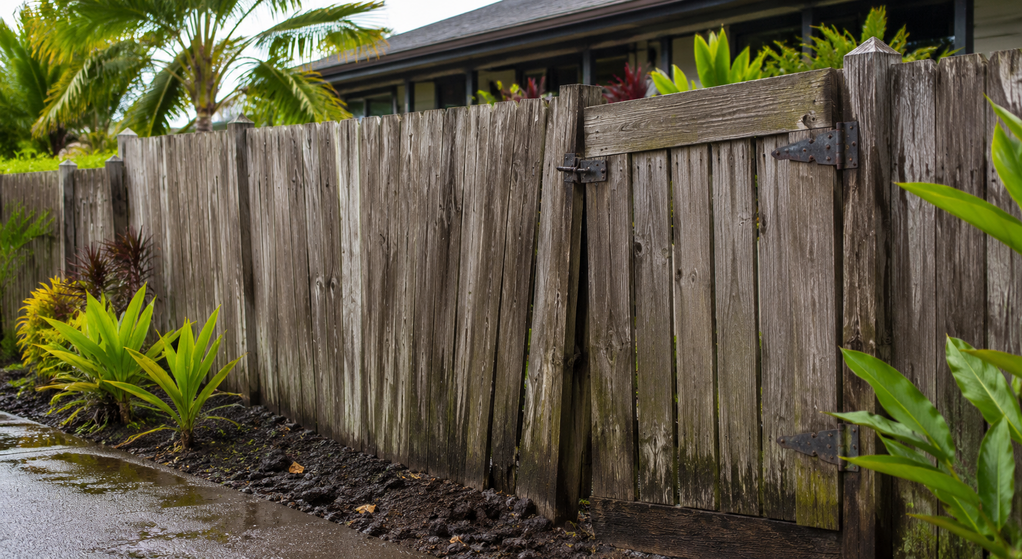
Hawaii’s environment is hard on exterior materials. Salt air can corrode unprotected metal, moisture can accelerate wood decay, termites can damage untreated lumber, and ultraviolet exposure can fade lower-quality products. Homeowners comparing the best materials for fencing in Hawaii should consider salt exposure, moisture, termites, wind, privacy needs, and maintenance expectations before making a long-term investment.
Vinyl performs well because it does not absorb water, require painting, or rust. Even so, quality matters. Thin panels, weak rails, or poor internal support may struggle in exposed areas. Proper post depth, reinforced gate posts, accurate spacing, and secure hardware are just as important as the panels.
Wood offers a natural appearance but requires more maintenance. Aluminum resists rust and suits open decorative fencing, though it provides limited privacy. Steel offers strength but needs dependable coatings near the coast. The correct choice depends on exposure, maintenance expectations, design goals, and budget.
Installation Details Determine Long-Term Performance
Many fence problems begin below ground. Shallow posts, weak footings, poor drainage, and unstable soil can cause leaning sections or misaligned gates.
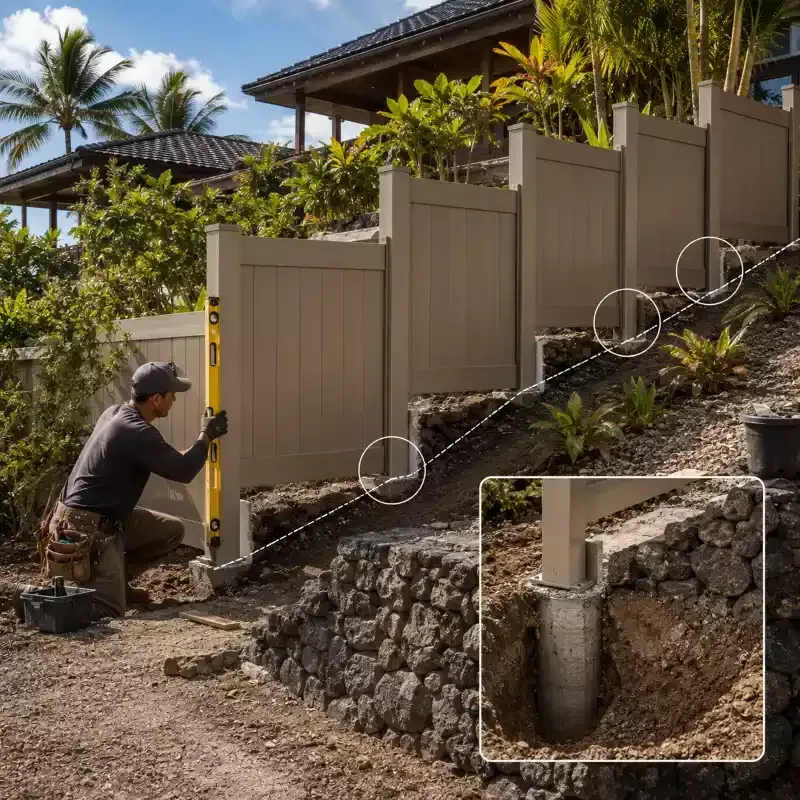
Properties on slopes or near retaining walls require additional planning because elevation changes affect panel layout and post support.
Heavy rain can soften soil and direct runoff toward posts. Installers should evaluate grading, drainage paths, wind exposure, and existing masonry before construction. Masonry knowledge is useful when a fence connects to a rock wall, retaining system, or concrete footing.
Homeowners should also confirm property lines, utility locations, height rules, setbacks, and association guidelines. Requirements can differ by island, county, subdivision, and property type.
Make the Decision Based on Long-Term Value
A new fence can improve privacy, safety, curb appeal, and the usefulness of a Hawaii home when the design fits the site. The next step is to define the fence’s primary purpose, inspect wind and drainage conditions, compare material tradeoffs, and confirm local requirements before choosing a layout.
Homeowners should request a clear written quote, review the proposed post and gate construction, ask about warranties, and examine real project examples. These steps make it easier to judge workmanship and avoid decisions based only on appearance or initial price.

written by
Kurt Manalastas
Property Security & Exterior Improvement Journalist
Kurt creates research-based content focused on fencing solutions, property security, and outdoor boundary improvements. By combining industry best practices, material insights, and practical property protection strategies, he helps homeowners and business owners make informed decisions about building safer, more secure, and visually appealing outdoor spaces.