Why Fencing Hawaii is Essential: Top Reasons to Install a Fence
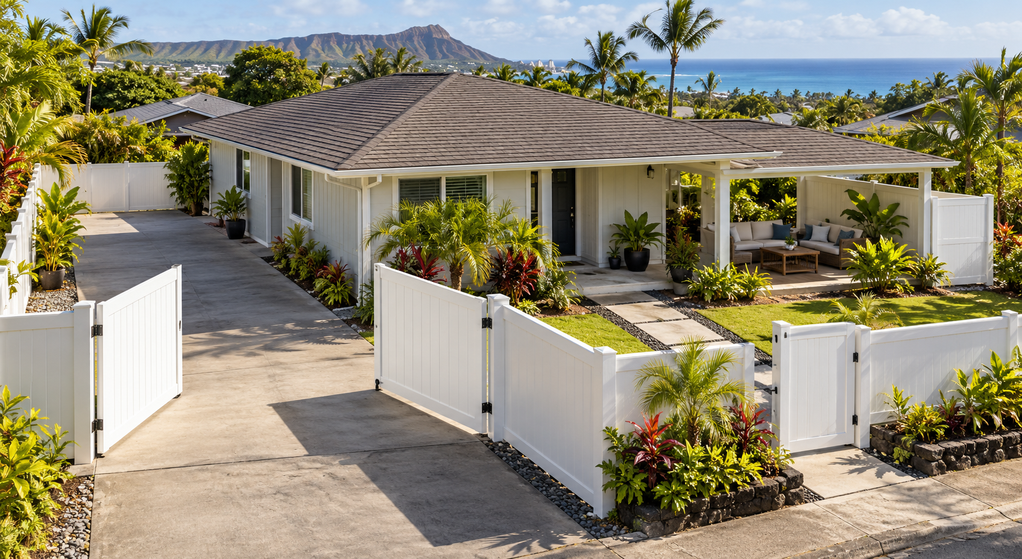
Maybe you’ve seen properties in your local Hawaiian community where they’ve added fences into their design. From the rugged solidity of rock walls and wooden fences to the sharp lines of chain links and aluminum fence borders, there are several reasons why fencing in Hawaii is essential.
Here we will explore the benefits of fencing and why you should consider adding this element to your Hawaii property.
Privacy
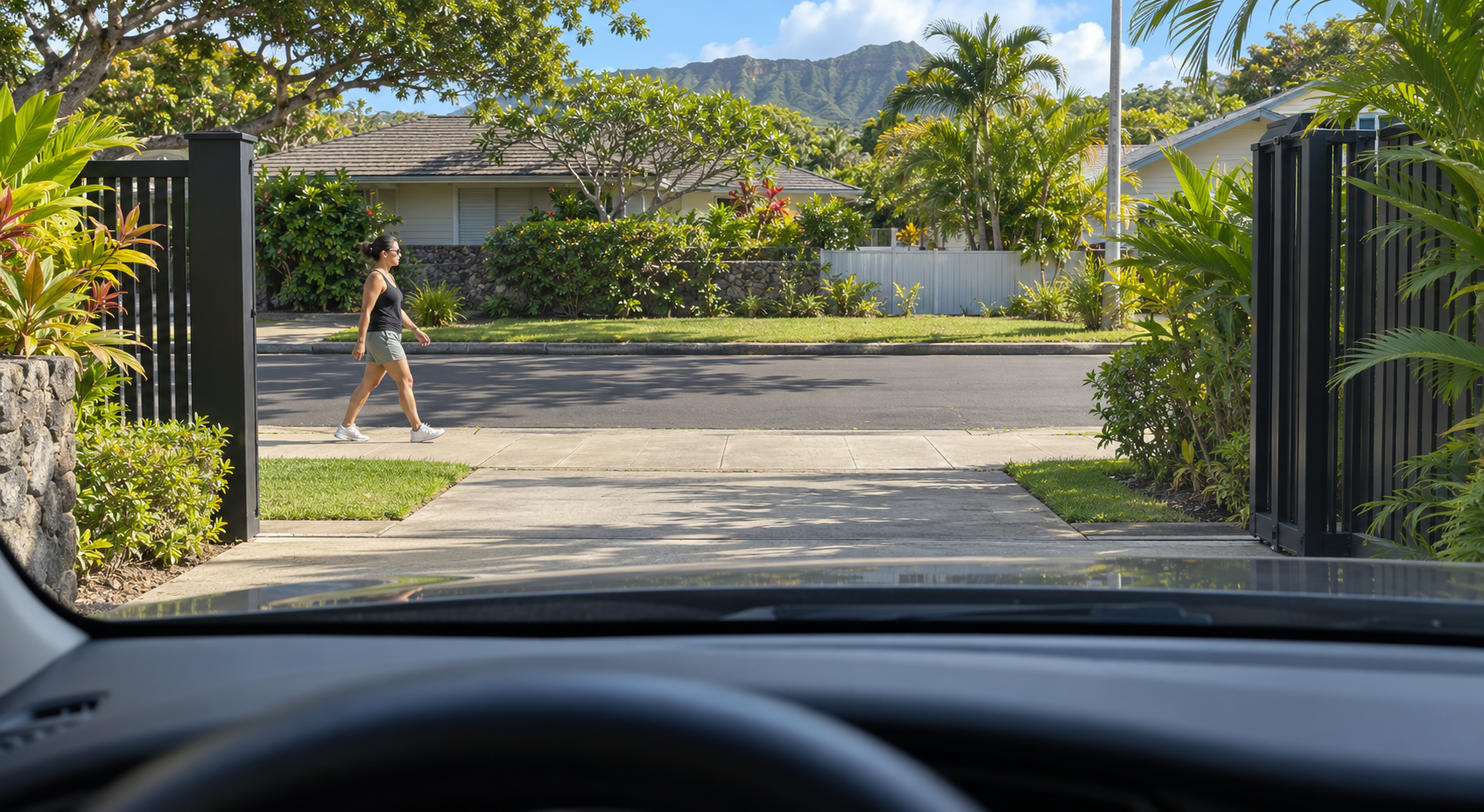
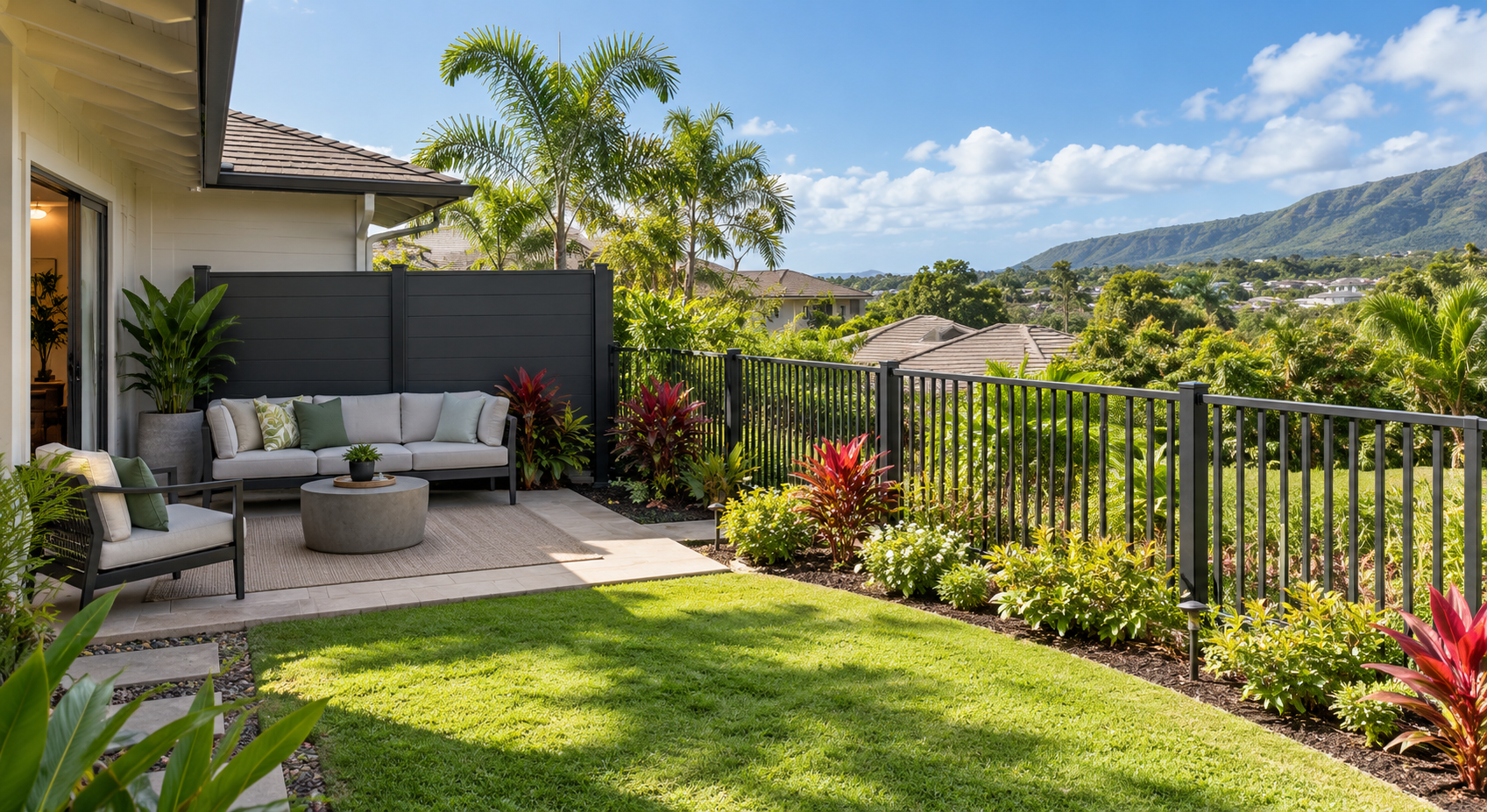
Fences create a barrier that separates the public and private zones. It may be alright for some to have their neighborhood be aware of the ongoings of their homes, but if you are one of those people who value privacy and personal space, installing a fence ensures the physical boundary between you and others, allowing your outdoor activities to remain private.
Security
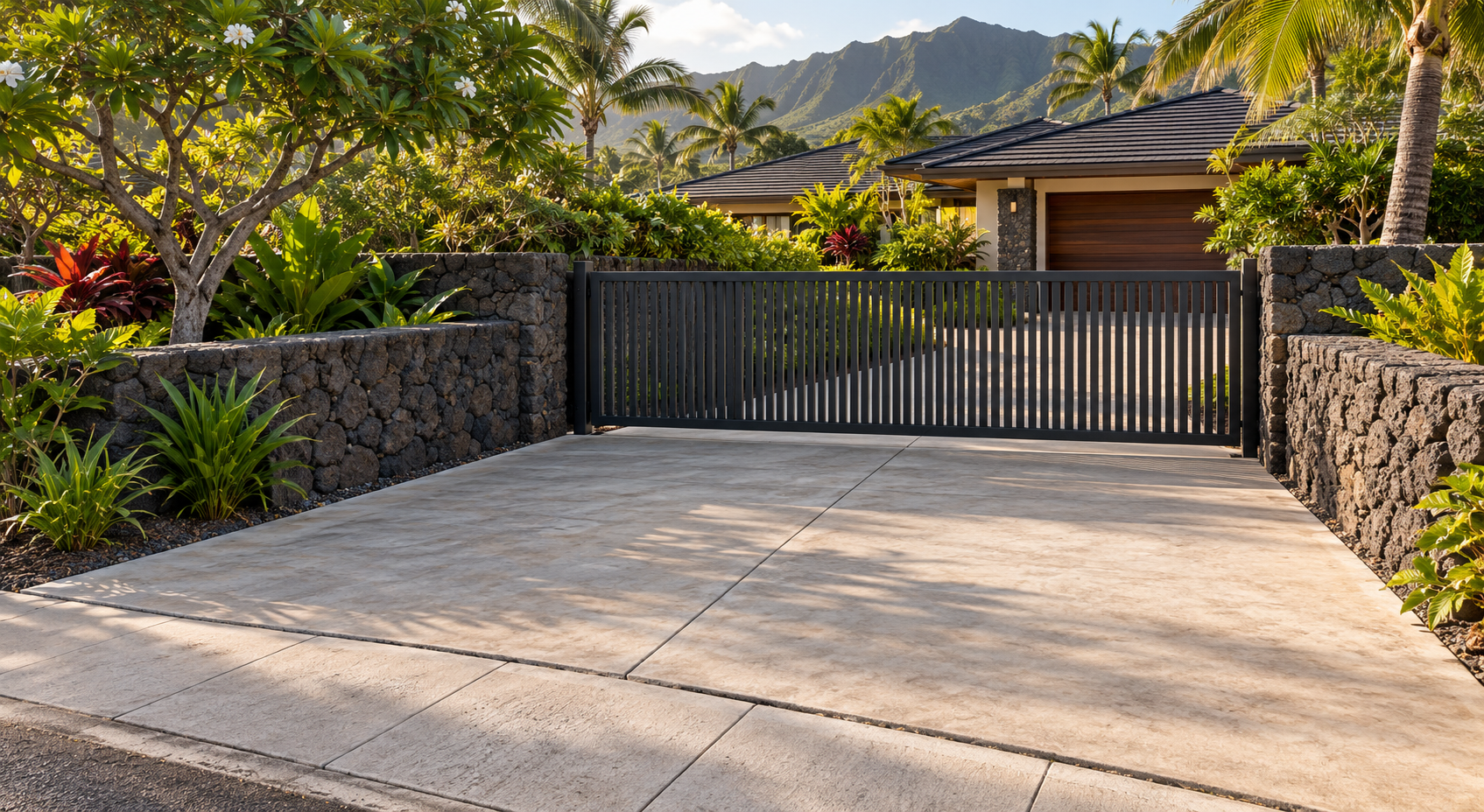
No better way to politely say “keep out” than a fence around your home. Installing this barrier around your property sends a subtle message to passersby that your home is not open to just anyone, adding more security and improving your peace of mind that intruders can be warded off.
- Protection from Intruders - a well-built fence can lower the aesthetic appeal of your home to intruders. The idea of a boundary instills more difficulty in their intentions as compared to a lot that is wide and open.
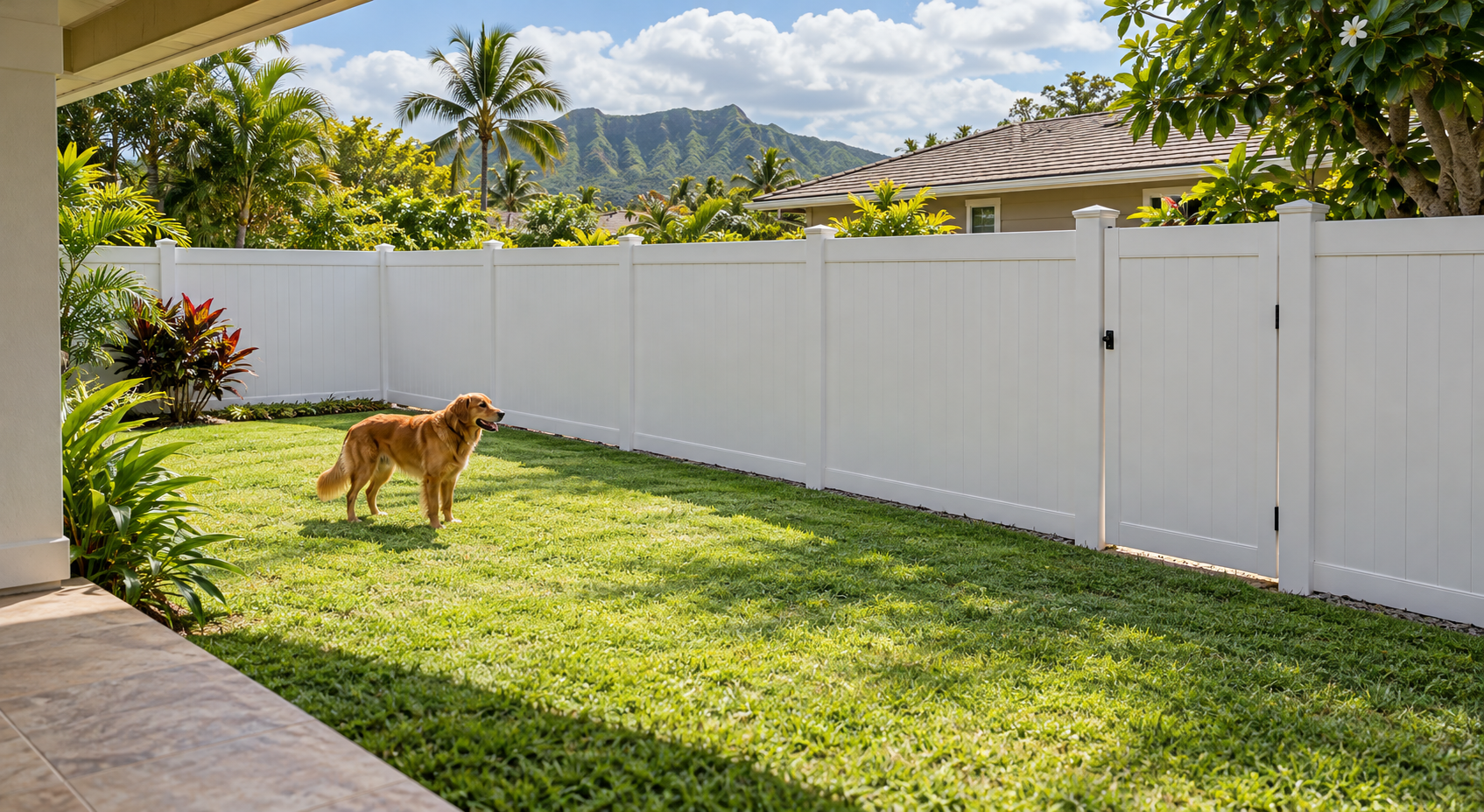
- Safe Space - Fences create a boundary around your home. Because of this security, pets and children can safely play around your property without wandering off and encountering potential dangers.
Property Value
Fences don’t just have to be linear forms of material used to keep things in or out. They can be stylish, trendy, and appealing, offering a durable form of security for homeowners which increases the property value of your home. Potential buyers would often see fences as an appealing asset, especially in suburban or residential areas where privacy and security are desired.
Aesthetic Appeal
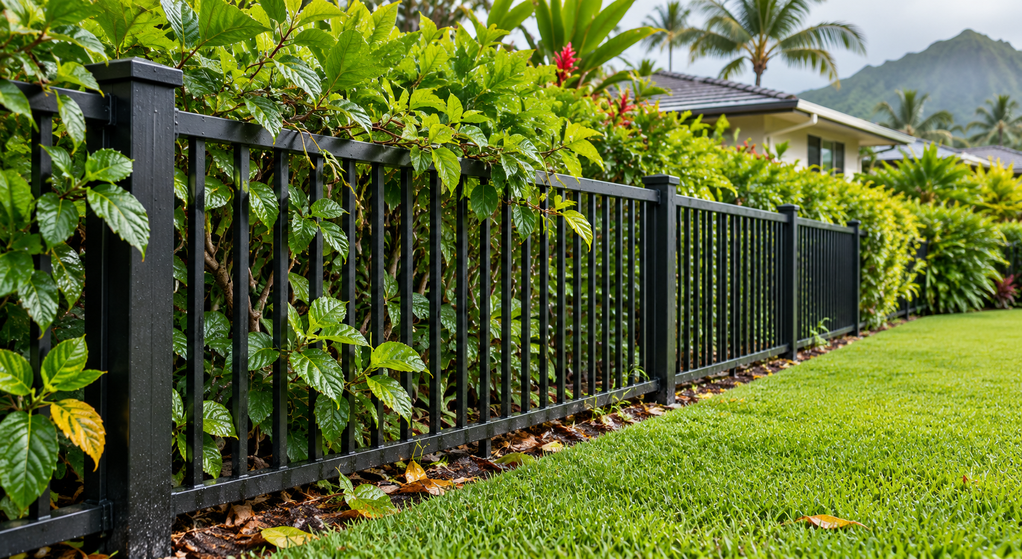
Fences can come in different colors, styles, and textures, a structural element that can blend and complement the natural beauty of your landscape design or the aesthetic of your Hawaiian home.
Boundary
Fences define the lines of your property, highlighting the boundary of your home and your neighbors. This is a big help in avoiding territorial problems, especially in homes that are built closely together.
Wind Protection
Normally, wind can be stronger in some parts of Hawaii, and fences can often play a role in reducing the wind impact as it reaches your home. This feature can protect your garden, landscape furniture, and other elements of your outdoor space.
Noise Reduction
Different fence designs can create a good sound buffer, minimizing the noise from roads, neighbors, and other sources. This is especially appealing in crowded and dense places where noise is abundant and unavoidable.
Wildlife Management
Hawaii is brimming with wildlife and it often doesn’t come as a surprise that there will be instances where a wild animal can wander into your property. Fencing is a practical and effective way of preserving Hawaii’s unique wildlife and fragile ecosystems and also an essential method of keeping your property secured from invasive species.
Cultural and Legal Conditions
When it comes to considering the cultural and regulatory conditions, it is essential to understand that building anything in Hawaii is influenced by factors such as the state’s history, environment, and community values.
- Respecting Culture - In some Hawaiian communities, fencing might be important when it comes to respecting cultural boundaries. A properly considered and constructed fence can ensure a respectful barrier for temples and significant cultural sites without disrupting any traditional practices.
- Local Laws - different regulations can require you to install fences as a necessity, such as wildlife and environmental protection laws, zoning, and land use regulations especially when the land is close to protected areas.
Environmental Protection
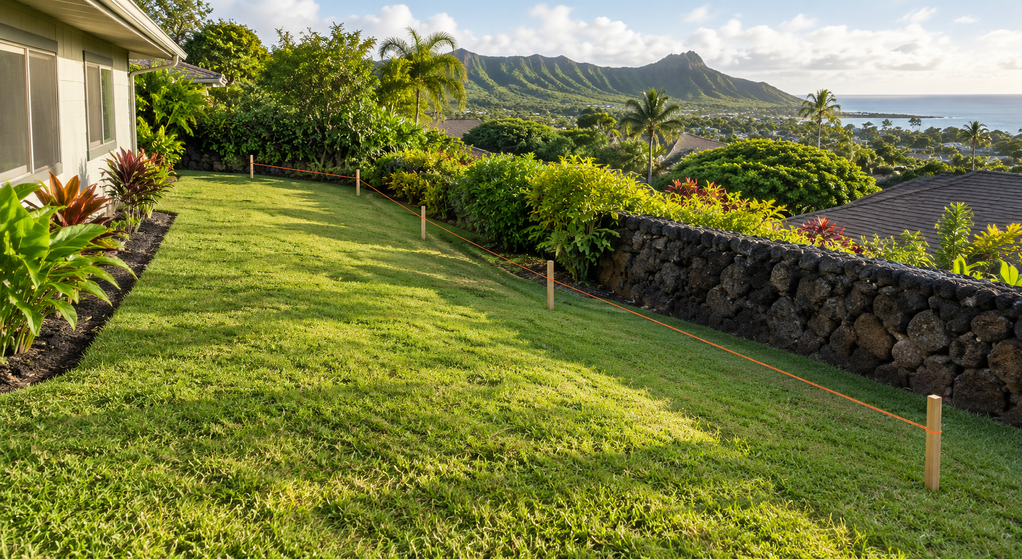
Fencing plays a critical role in environmental protection, from controlling and reducing the possibilities of severe erosion to mitigating the spread of invasive plants and diseases carried by the local wildlife. Installing a fence goes beyond residential functions of safety, security, and aesthetic, but it also extends its uses to aid in the protection of the Hawaii environment.
- Prevents Soil Erosion - Invasive animals are a factor in soil erosion due to digging and uprooting plants which can loosen the soil and create downstream effects that can affect water quality. Installing fences in strategic areas can ward off these animals, and allow the native vegetation and ecosystem to recover and reduce the sediments that wash down to the bodies of water, thus contributing to cleaner water supplies and minimizing the chances of erosion.
- Protecting Agricultural Lands - Because Hawaii is home to many unique wildlife, some animals like wild pigs, cats, and others can wander in and cause significant harm and damage to agricultural property. Fencing is important to add to these borders to safeguard agricultural productivity and keep animals out. Contact us for more info.