DIY vs. Professional Aluminum Fence Installation in Hawaii: What You Need to Know
Bottom Line:
Aluminum fencing is one of the smartest material choices for Hawaii’s coastal climate because it resists salt air, holds up well outdoors, and needs minimal upkeep. Whether DIY or professional installation makes more sense depends on your site conditions, skill level, and how important a clean long-term result is to you.
Aluminum fencing has become one of the most popular choices for Hawaii homeowners, and it is not hard to understand why. In a place where salt air, humidity, and strong trade winds put every exterior material to the test, aluminum holds its own better than most. It does not rust the way steel does, does not rot like untreated wood, and does not require the painting and sealing cycles that other materials demand. Once it is up, it largely takes care of itself.
The question many homeowners eventually face is simple: should you install it yourself or hire a professional? The short answer is that it depends on your property, your skill level, and what you are actually trying to accomplish. The longer answer involves understanding what DIY aluminum fence installation really requires in Hawaii’s specific conditions, and where the professional approach earns its cost.
Why Aluminum Works So Well in Hawaii
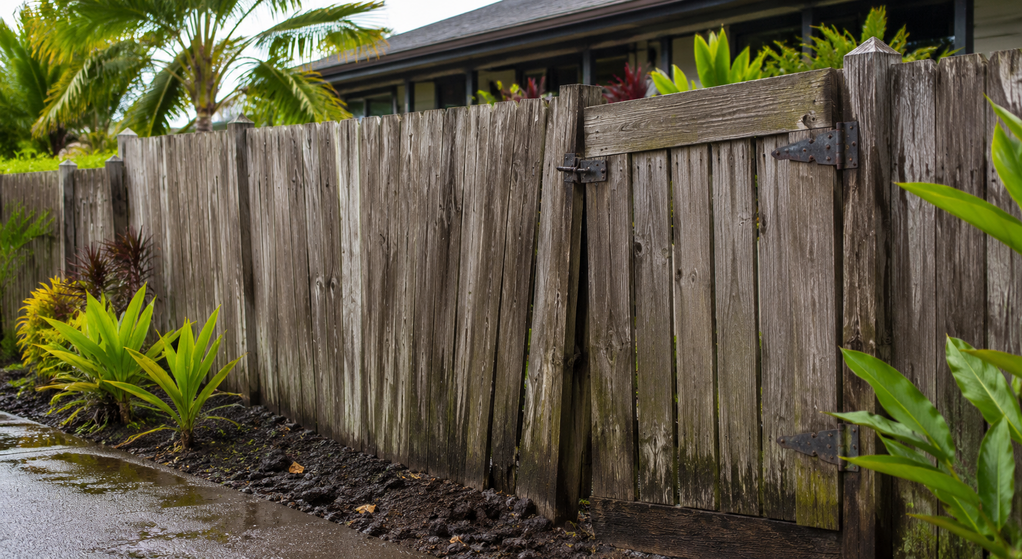
Before getting into the installation debate, it is worth being clear about why aluminum is such a strong material choice for this environment. Hawaii’s combination of salt air, high humidity, and UV exposure is genuinely hard on fencing materials. Steel rusts. Wood warps and rots without consistent maintenance. Vinyl can become brittle and discolor under prolonged UV exposure.
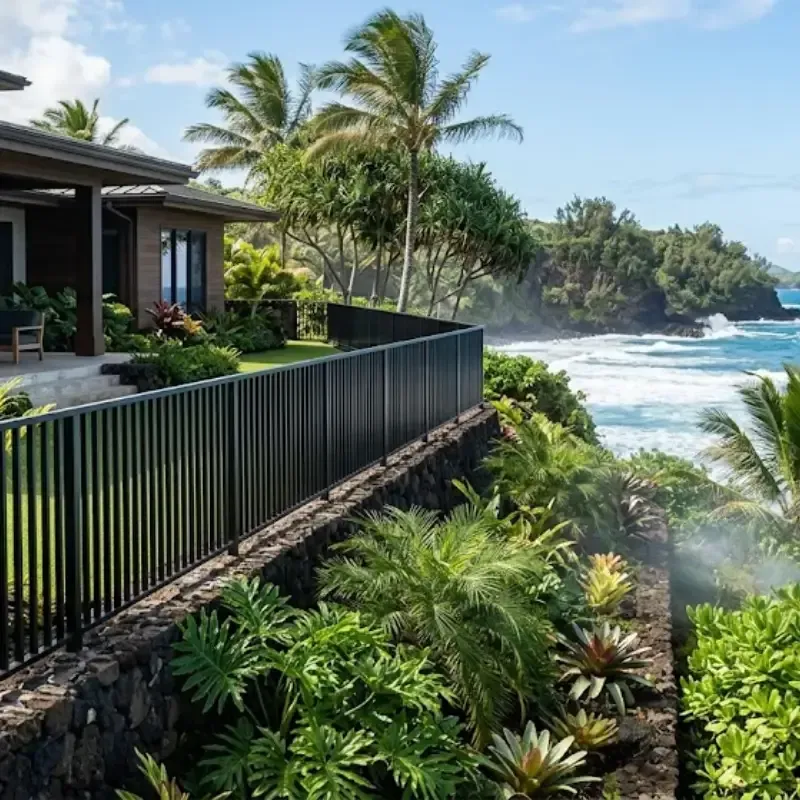
Aluminum, by contrast, forms a natural oxide layer that protects it from corrosion without any treatment needed — which makes it unusually well-suited to coastal and near-coastal properties. For homeowners researching aluminum fence installation in Hawaii, that corrosion resistance is usually the first reason they start looking at aluminum seriously.
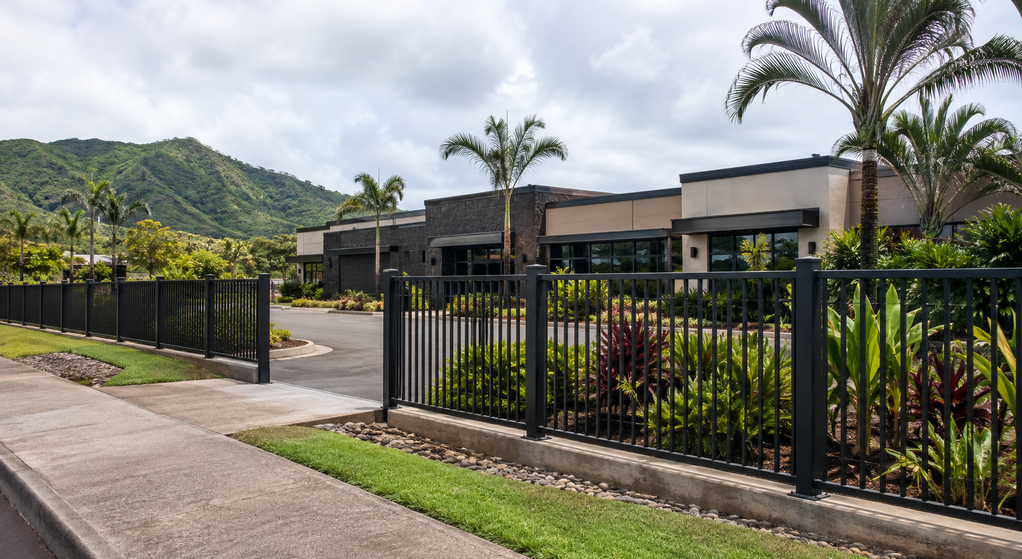
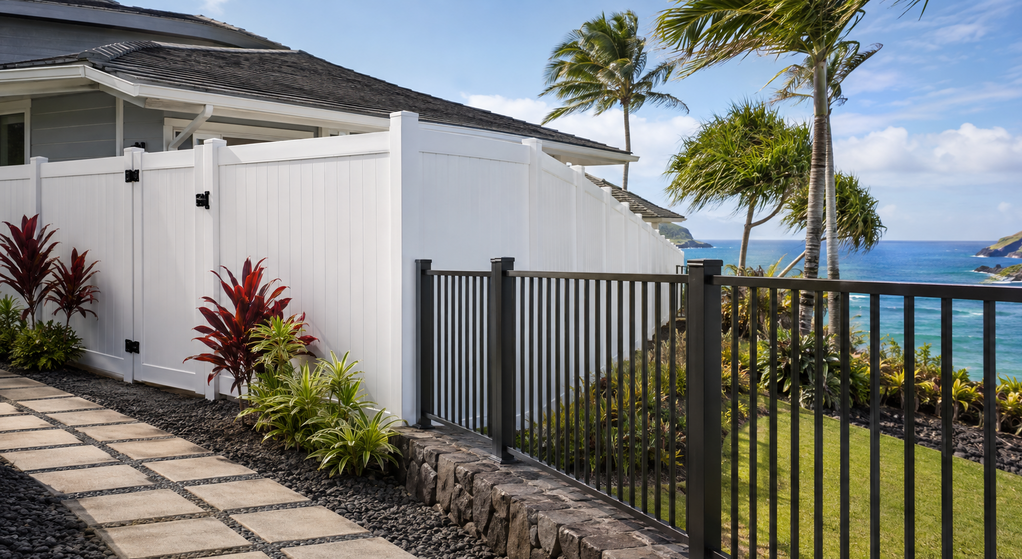
Powder-coated aluminum takes the durability a step further. The coating adds UV resistance, improves the surface hardness, and gives the fence a finished appearance that holds up to the elements without fading or peeling the way painted surfaces do. Most quality aluminum fence products intended for Hawaii’s climate come powder-coated as standard, and the color range available — from classic black to bronze to white — works with a wide variety of property styles across Oahu.
What DIY Aluminum Fence Installation Actually Involves
It helps to be realistic about what a DIY fence project requires, because most regret comes from the gap between expectation and actual field conditions. Aluminum fence panels and posts are available from home improvement stores and online suppliers, and the basic installation concept is not complicated: set posts in concrete, attach rails and panels, finish the ends. But the reality on a Hawaii property adds layers of complexity that a YouTube tutorial usually does not cover.
Post setting is where most DIY installations run into trouble. Posts need to be set at consistent depth — typically a third of the post’s above-ground height, plus several inches — and they need to be perfectly plumb. On Oahu, where you frequently hit rock, coral, or dense clay within a foot or two of the surface, getting posts to the right depth without the right equipment is genuinely difficult. A post that is not set deep enough will shift over time, pulling the fence out of level and creating gaps. A post that is not plumb will make the panels look crooked even if they are installed correctly.
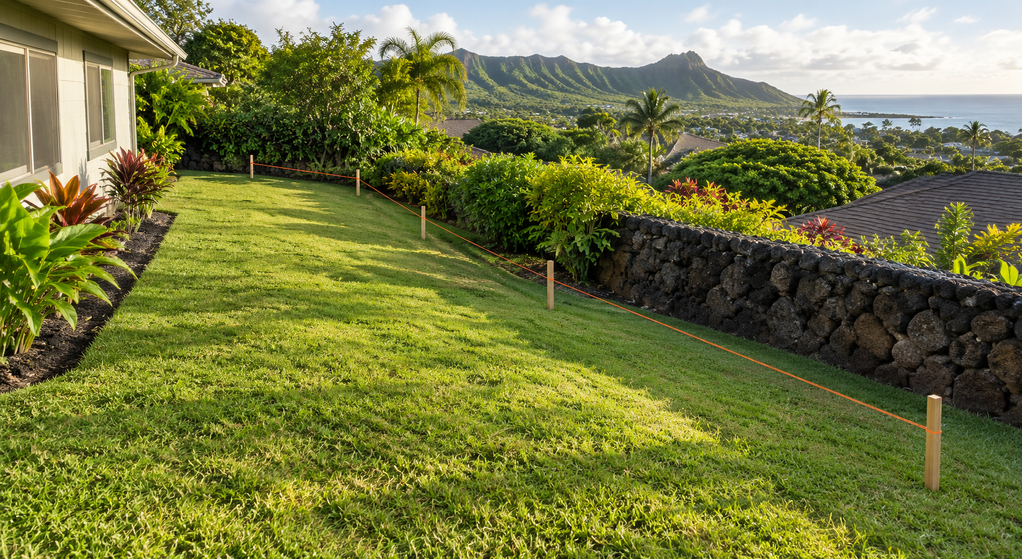
Sloped terrain is another reality that catches DIY installers off guard. Hawaii properties are rarely perfectly flat, and aluminum fence panels do not naturally follow a slope the way some other fence styles can. Racking — adjusting the panel angle to follow grade changes — is possible with some aluminum systems but not all, and it requires careful measurement and planning to avoid sections that look awkward or leave gaps at the bottom. On a simple flat lot, this is manageable. On a lot with significant grade change, it becomes the kind of problem that is much easier to solve with experience than to figure out as you go.
Where Professional Installation Earns Its Cost
A professional fence contractor brings a few things to an aluminum fence installation that are hard to replicate on a DIY basis: the right equipment for post setting in Hawaii’s variable soil and rock conditions, experience reading and responding to slope changes, and enough installations under their belt to anticipate the problems before they happen rather than discovering them mid-project.
At Sunset Hawaii Fencing Company, founder Londene Manu — a third-generation mason and fencer — personally walks every client through the design, installation, and completion process. That hands-on involvement is not a marketing line; it is the kind of oversight that catches the details that matter, like post spacing adjustments that account for panel expansion in the heat, or drainage considerations near the base of a fence line that prevent erosion around the footings over time. Every project is backed by a three-year workmanship warranty, which reflects the confidence that comes from doing this work correctly the first time.
The other thing a professional brings is knowledge of local permit requirements. Hawaii has specific regulations around fence height, placement relative to property lines, and setbacks in certain zones — and those requirements vary depending on where you are on the island, whether your property is in a homeowners association, and whether it is near a coastal area. Installing a fence without the right permits can result in a required removal, which is an expensive outcome that no homeowner wants to deal with after putting time and money into an installation.

The Honest Case for DIY
That said, DIY aluminum fence installation is not impossible, and for some homeowners it is the right call. If your property is flat, the soil is workable without heavy equipment, the project is relatively small in scale, and you have the time and patience to work carefully through each step, a DIY installation can produce a good result at a lower cost. Aluminum fence systems designed for residential installation are generally well-documented, and the components fit together in a straightforward way once the posts are set correctly.
The scenarios where DIY makes the most sense are limited runs of fencing on uncomplicated lots — a backyard enclosure on a flat property, for example, where the post setting is straightforward and the grade is consistent. The scenarios where it tends to go wrong are anything involving significant slope, rock or coral near the surface, tight clearances to structures or utilities, or long perimeter runs where small errors in post alignment compound into visible problems by the end of the fence line.
Key Things to Get Right Regardless of Who Installs
Whether you go DIY or professional, there are a few things that determine whether an aluminum fence holds up well over time in Hawaii’s conditions. Post depth and concrete quality are the foundation — a post that is not set deep enough or anchored in mix that is too weak will not stay plumb through the wind loads and seasonal soil movement that Oahu properties experience. The concrete needs to cure fully before the fence panels are loaded against the posts, which means not rushing the installation timeline.
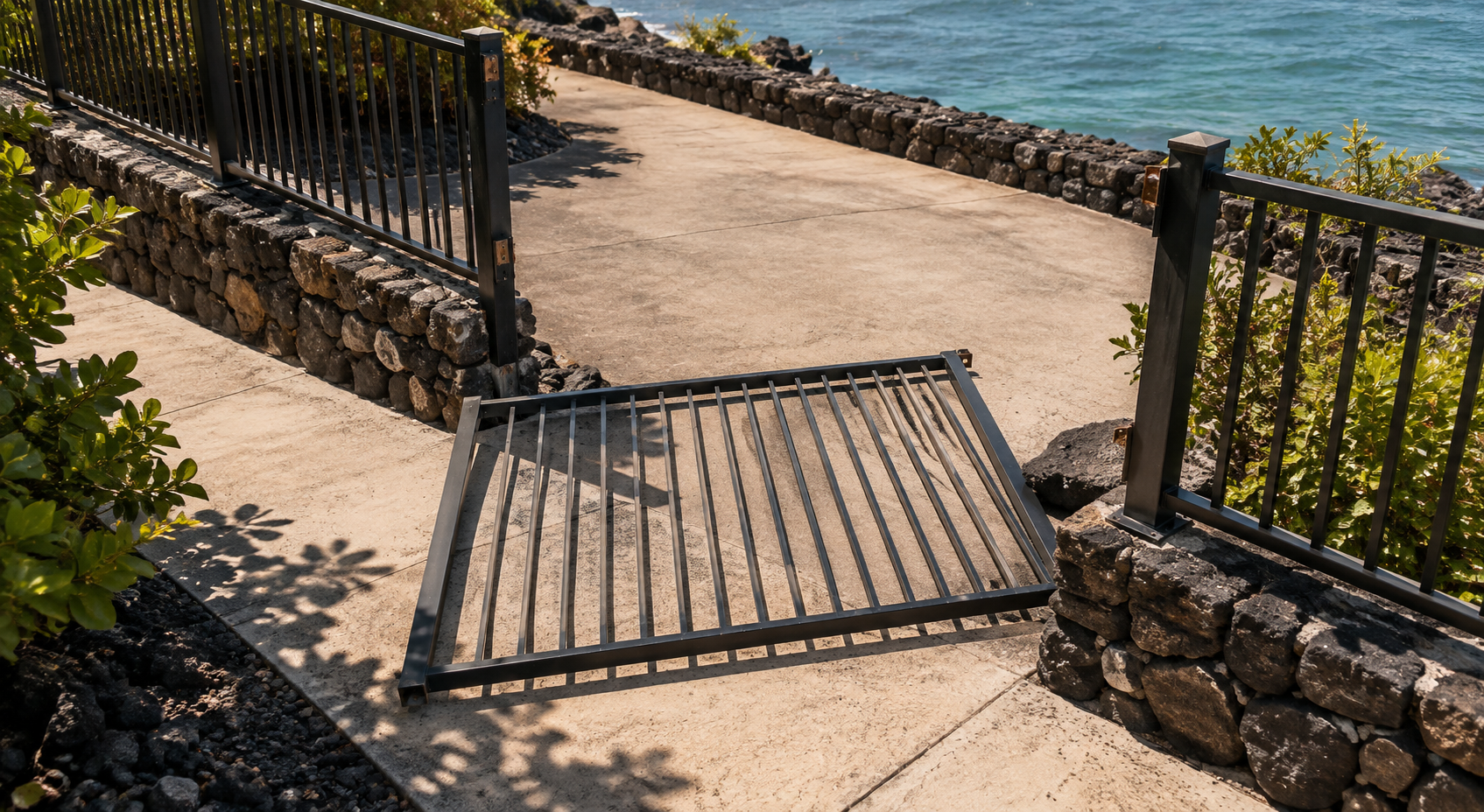
Gate installation deserves extra attention regardless of who is doing the work. Gates bear more load than fixed panels, and the hardware — hinges, latches, and adjusters — needs to be correctly sized and positioned to avoid sagging over time. A gate that looks and works great at installation but sags out of plumb within a year is one of the most common fence complaints, and it almost always comes down to hardware selection and how the posts were set.
For homeowners still deciding on material and style, our guide on choosing the right fence for your Hawaii property covers what to weigh across different materials and designs before you commit to a direction.
Making the Decision
The DIY vs. professional question for aluminum fence installation in Hawaii comes down to an honest assessment of your specific situation. What does your lot look like? Is it flat or does it have meaningful grade changes? What is under the surface — workable soil or the rock and coral that shows up across a lot of Oahu? How much fence are you installing, and how important is the finished appearance? If your answers to those questions are favorable and you are comfortable with the work, DIY is worth considering. If any of those conditions is working against you, professional installation is likely the better investment.
The cost difference between DIY and professional installation is real, but so is the cost of correcting a fence that was not installed properly the first time. Posts that have to come out and be reset, panels that need to be realigned, gates that need hardware replacement — those repairs add up quickly and can approach or exceed the professional installation cost you were trying to avoid in the first place. Getting it right the first time is the more economical outcome in most cases.
If you are still on the fence about whether fencing is the right investment for your property at all, our article on the
advantages of fencing in Hawaii covers the practical and financial case for why a well-installed fence adds real value to a Hawaii property — in security, privacy, curb appeal, and long-term durability. It is a useful read before you make any final decisions on direction or material.

written by
Domenique Bomediano
Property Security & Exterior Improvement Journalist
Domenique creates research-driven content focused on fencing systems, property security, and exterior improvement solutions. By combining practical construction insights, material knowledge, and real-world property protection strategies, he helps homeowners and businesses better understand how to improve safety, privacy, and long-term outdoor durability.